
Matkaopas: Guatemala. Olennaiset matkatiedot — hätänumerot, turvallisuus, valuutta, viisumit, tavat ja liikkuminen.
Hätänumerot
Kuinka turvallinen Guatemala on?
- Erittäin turvallinen
- Yleisesti turvallinen
- Varovaisuutta noudatettava
- Korkea riski
- Vaarallinen
Guatemala rewards travelers with extraordinary landscapes and Maya culture, but it has a real crime problem and most governments advise increased caution (the U.S. typically rates it Level 2-3, with some zones higher). Violent crime, gang activity, and carjacking exist, concentrated in parts of Guatemala City (avoid Zonas 1, 3, 6, 18, 21 at night) and some border areas. Tourist hubs like Antigua, Lake Atitlan, and Tikal are generally safer but petty theft is common. Travel between towns by day, use trusted shuttles, and avoid displaying wealth.
Matkatiedotteet (8)
Huijaukset
- Unofficial taxis and street-hailed cabs can overcharge or, rarely, set up robberies. Use radio taxis, hotel-arranged cars, or ride-hailing apps and confirm the fare or meter in advance.
- ATM and card skimming occurs; use ATMs inside banks or malls during the day, shield your PIN, and watch for card-swap distractions.
- On the chicken buses and in crowded markets, pickpockets and bag-slashers operate. Keep valuables out of sight and never leave bags unattended.
- Be cautious with 'helpful strangers' offering deals, unsolicited tours, or volunteering to watch your car; small scams and overcharging on the spiral (volcano) and shuttle tours are common.
Varoitukset
- Avoid intercity road travel after dark due to robbery and accident risk; use registered tourist shuttles where possible.
- Volcanic activity is real: Volcan de Fuego and Pacaya erupt periodically; heed local guidance and only hike with reputable guides.
- Exercise extra caution near the Mexican border (San Marcos, Huehuetenango departments) and in Guatemala City's higher-crime zones.
- Flash flooding, landslides, and earthquakes can occur, especially in the May to November rainy season.
Käytännön tietoa
Valuutta
Guatemalan quetzal (GTQ)
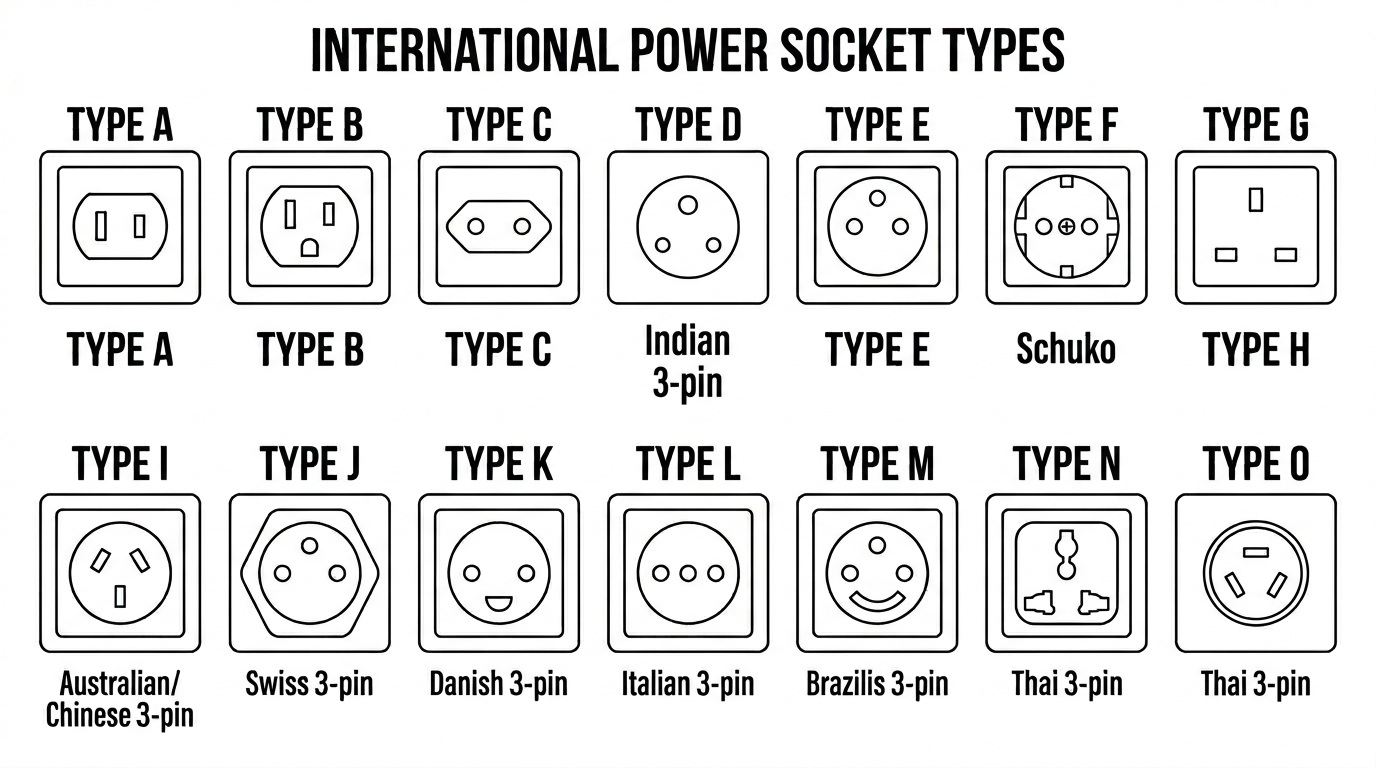
Pistoke
Tyyppi A ja B
Types A and B, 120V, 60Hz (same as the United States)
Katso pistorasiat
Juomaraha
Tipping is appreciated but modest. Restaurants often add a 10 percent service charge; if not, 10 percent is standard. Tip guides, drivers, and hotel staff a small amount; round up for taxis. Tipping is customary for porters and tour guides.
SIM / Data
Tigo and Claro are the main networks with the best coverage; prepaid SIMs are cheap and sold at airport kiosks, carrier shops, and corner stores, though registration with your passport is required. eSIMs (Airalo and similar) work well for short trips. Coverage is strong in cities and tourist areas but patchy in remote highlands and parts of Peten.
Viisumi
Guatemala is part of the CA-4 (Central America-4) agreement with El Salvador, Honduras, and Nicaragua. Citizens of the U.S., Canada, EU, UK, Australia, and many others receive a 90-day visa-free entry that is shared across all four CA-4 countries; passports should be valid for at least six months. Extensions are possible at immigration. Always confirm current rules with an official Guatemalan source before travel.
Ajopuoli
Right
Miten Guatemala kierretään?
Julkinen liikenne
Within cities, options include the cheap 'chicken buses' and minibuses (microbuses), plus taxis. Guatemala City has the Transmetro and Transurbano bus systems on dedicated lanes, which are safer than ordinary city buses. In Antigua and small towns, 'tuk-tuks' (three-wheeled auto-rickshaws) handle short hops.
Kyytipalvelut
- Uber
- InDrive
Kaukoliikenne
Tourist shuttles (minivans) are the most popular way to connect Antigua, Lake Atitlan, Guatemala City, Coban, Lanquin (Semuc Champey), and Flores/Tikal, booked through agencies. First-class Pullman buses (e.g., Litegua, ADN) serve major routes more comfortably and safely than the colorful 'chicken buses' (recycled school buses), which are cheap and an experience but cramped and a theft risk. Domestic flights link Guatemala City and Flores (for Tikal), saving a long overland trip to Peten.
Kulttuuri ja tavat
Tavat
- Greetings matter: a handshake and a polite 'Buenos dias/tardes' are expected before business or asking directions; skipping the greeting reads as rude. Among friends, women often greet with a kiss on the cheek.
- Use 'usted' (the formal you) with elders, officials, and people you have just met; reserve 'tu/vos' for friends. It signals respect.
- Guatemala is family-oriented and relationship-driven; patience and warmth open more doors than efficiency, and schedules can run on flexible 'hora chapina' (Guatemalan time).
- Indigenous Maya culture is living, not a museum piece. Always ask permission before photographing people, especially those in traditional dress, at markets, or at religious sites; a small purchase or tip is appreciated.
- Bargaining is normal in markets such as Chichicastenango, but do it good-naturedly; haggling hard over tiny sums with artisans who depend on the income is frowned upon.
- Dress modestly in highland villages and churches; covering shoulders and knees shows respect in rural and indigenous communities.
Pukukoodi
Casual and practical for most travelers, but pack layers. The highlands (Antigua, Lake Atitlan, Quetzaltenango) are cool and can be cold at night, while the Pacific coast and the Peten jungle are hot and humid. Modest dress that covers shoulders and knees is respectful in churches, rural villages, and indigenous communities; keep beachwear at the beach.
Uskonnollinen käytäytyminen
Guatemala is predominantly Christian, divided between Roman Catholics and a large, fast-growing Evangelical Protestant population, often blended with Maya spiritual traditions. Dress modestly and stay quiet inside churches; remove hats. Holy Week (Semana Santa) processions, especially in Antigua, are deeply solemn; do not walk on the elaborate sawdust 'alfombras' (carpets) before the procession passes, and watch from the sides. At Maya ceremonial sites and during rituals, keep a respectful distance and ask before photographing or approaching.
Yleisiä ilmauksia
- Buenos diasGood morning
- GraciasThank you
- Por favorPlease
- Cuanto cuesta?How much does it cost?
- Donde esta el bano?Where is the bathroom?
- Buen provechoEnjoy your meal
Nähtävyydet
Urheilu & vapaa-aika
Football (soccer)
Football is the national passion. The domestic Liga Nacional is dominated by fierce rivals Comunicaciones and Municipal, both based in Guatemala City, whose 'El Clasico' Chapin draws huge crowds. The national team is followed devotedly despite never reaching a World Cup. Beyond football, Guatemalans enjoy basketball and futsal, and adventure recreation thrives for visitors: volcano hiking (Acatenango for its view of erupting Fuego, plus Pacaya), kayaking and paddleboarding on Lake Atitlan, caving and tubing at Semuc Champey, and surfing on the black-sand Pacific coast.
Kansalliset juhlapäivät
- March or April (movable, week before Easter)
Semana Santa (Holy Week)
Guatemala's most spectacular celebration, centered in Antigua. Streets are covered in vibrant sawdust and flower 'alfombras' (carpets) that processions of robed cucuruchos carry massive religious floats over. A profound mix of Catholic devotion and Maya tradition.
- November 1
Day of the Dead / Giant Kite Festival (Dia de los Muertos)
Families honor the dead at cemeteries. In Sumpango and Santiago Sacatepequez, communities fly enormous, intricately decorated kites (barriletes gigantes) believed to connect the living with departed souls.
- December 7
La Quema del Diablo (Burning of the Devil)
On the eve of the Immaculate Conception, people burn effigies of the devil and piles of rubbish outside their homes to cleanse away evil and bad spirits before Christmas.
- September 15
Independence Day
Marks Central America's 1821 independence from Spain with patriotic parades, marching bands, torch relays, and fireworks nationwide.
Guatemala mielessä?
Kokeile ensin valmista matkaa.
Avaa demomatka ilman rekisteröitymistä: Barcelona yksin tai Rooma, Firenze ja Venetsia porukalla. Suunnittele sitten oma matkasi omalla tavallasi – kohteena Guatemala.