
Matkaopas: Paraguay. Olennaiset matkatiedot — hätänumerot, turvallisuus, valuutta, viisumit, tavat ja liikkuminen.
Hätänumerot
Kuinka turvallinen Paraguay on?
- Erittäin turvallinen
- Yleisesti turvallinen
- Varovaisuutta noudatettava
- Korkea riski
- Vaarallinen
Paraguay is one of South America's quieter, less-touristed countries and is generally safe for travelers who use normal urban precautions. Petty crime such as pickpocketing and bag-snatching is the main risk in Asunción and busy markets, and opportunistic theft rises after dark. Violent crime is lower than in many neighboring countries but can occur. The biggest specific concern is the northern departments bordering Brazil (notably parts of Concepción, San Pedro, and Amambay), where an armed group (the EPP) and drug-trafficking activity have prompted heightened warnings. Most popular destinations — Asunción, Encarnación, the Jesuit missions, and Iguazú-adjacent areas — are calm for visitors.
Matkatiedotteet (8)
Huijaukset
- Counterfeit banknotes and short-changing can occur; check your guaraní notes, be wary of poor exchange rates from informal street money changers (especially near the Ciudad del Este border), and prefer banks or official casas de cambio.
- Taxi overcharging targets tourists, particularly from the airport and bus terminals. Agree on a fare or insist on the meter beforehand, or use a ride-hailing app (Bolt, MUV, Uber where available) for transparent pricing.
- The Tri-Border Area around Ciudad del Este (Paraguay-Brazil-Argentina) is a notorious smuggling and counterfeit-goods hub; be alert for pickpockets, fake-product scams, and distraction theft in the crowded market streets.
- ATM and card skimming happens; use machines inside banks or shopping centers, shield your PIN, and watch for distraction tactics around cash machines.
Varoitukset
- Exercise increased caution in the northern departments of Concepción, San Pedro, and Amambay due to occasional activity by the armed group Ejército del Pueblo Paraguayo (EPP) and organized crime; some governments advise against non-essential travel there.
- The Tri-Border Area near Ciudad del Este has elevated organized-crime, smuggling, and petty-crime risks; stay alert in market districts.
- The remote Chaco region has minimal infrastructure, extreme heat, and long empty roads; travel prepared with water, fuel, and a reliable vehicle, ideally not alone.
- Seasonal dengue (and other mosquito-borne illness) outbreaks occur, especially in the hot, wet summer; use repellent and check current health advisories.
Käytännön tietoa
Valuutta
Paraguayan guaraní (PYG)
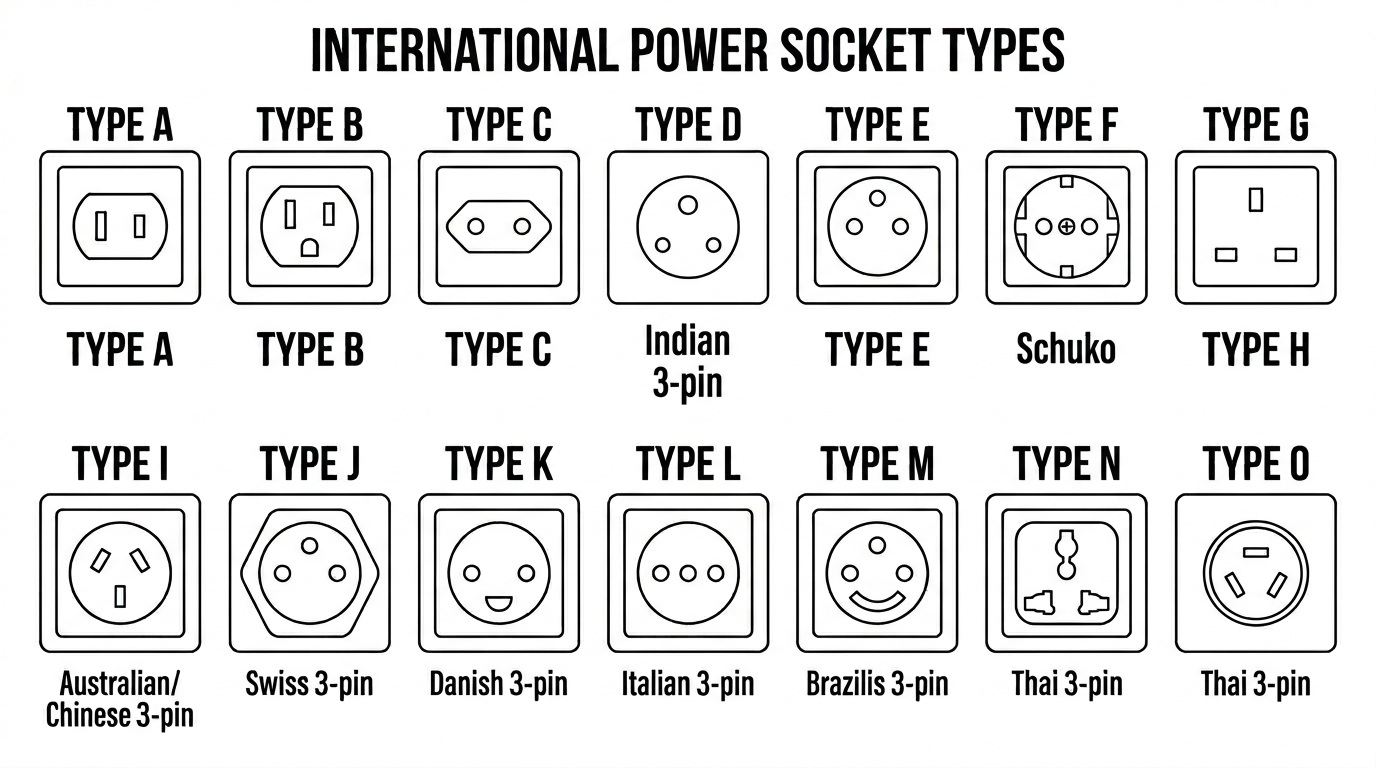
Pistoke
Tyyppi C ja I
Type C and Type I, 220V, 50Hz
Katso pistorasiat
Juomaraha
Tipping is appreciated but not obligatory. In restaurants, leaving around 10% is customary if service isn't already included; rounding up is fine for casual places. Taxi fares are usually rounded up rather than tipped. Small tips for hotel porters and helpful guides are welcome.
SIM / Data
Local prepaid SIM cards from Tigo, Personal (Telecom), and Claro are cheap and give good 4G coverage in cities and major towns; coverage thins in the remote Chaco. SIMs are sold at official stores and kiosks; bring your passport to register. Buy and top up (carga) at shops, pharmacies, and kiosks. An eSIM or regional Mercosur roaming plan is a convenient alternative.
Viisumi
Many South American (Mercosur) nationals can enter with just a national ID, and citizens of the EU, UK, and many other countries do not need a visa for short tourist stays (typically up to 90 days). US, Canadian, and Australian travelers should check current rules, as Paraguay has changed reciprocity/visa-on-arrival policies over time; arranging a visa in advance when required is safest. A passport valid for at least six months is recommended. Always confirm with the Paraguayan consulate before travel.
Ajopuoli
Right
Miten Paraguay kierretään?
Julkinen liikenne
Within Asunción, public transport is mainly city buses (colectivos), which are cheap but can be slow, crowded, and confusing without local knowledge; many require the prepaid 'Billetaje Electrónico' card. There is no metro or tram. For convenience, most visitors rely on taxis or ride-hailing apps, especially at night.
Kyytipalvelut
- Bolt
- Uber
- MUV
Kaukoliikenne
Long-distance buses are the backbone of intercity travel and are extensive, affordable, and reliable, departing from Asunción's main terminal (Terminal de Ómnibus) to cities like Encarnación, Ciudad del Este, and Concepción. 'Ejecutivo' and 'cama' services offer more comfort on longer routes. Domestic flights are very limited. Roads on major corridors are paved and decent, though rural and Chaco roads can be rough or impassable in heavy rain.
Kulttuuri ja tavat
Tavat
- Sharing tereré (cold yerba mate infused with cold water and herbs) is the central social ritual of daily life; you'll see Paraguayans carrying a thermos (termo) and a guampa cup everywhere. If offered the shared bombilla (metal straw), accept graciously and don't stir or touch the straw with your hands.
- Greetings are warm and physical. Women, and men and women, typically exchange a kiss on each cheek; men shake hands. Skipping the greeting when entering a room or shop can come across as cold.
- Paraguay is genuinely bilingual: Guaraní is spoken alongside Spanish by most of the population, even in cities. Learning a few Guaraní words is deeply appreciated and seen as a sign of respect for national identity.
- Family and personal relationships come before strict schedules. Social events often start late and meals are unhurried; punctuality is relaxed for social gatherings, though business meetings are more on time.
- Hospitality is taken seriously. If invited to someone's home you'll likely be fed generously; declining food outright can offend, and bringing a small gift (sweets, wine) is a thoughtful gesture.
- Sopa paraguaya (a baked cornbread, not a soup) and chipa (cheesy manioc bread) are cultural staples, especially around Holy Week. Food is a point of national pride, so complimenting it goes a long way.
Pukukoodi
Casual and practical for the hot, humid climate; lightweight clothing is the norm. Paraguayans tend to dress neatly in public, so very revealing beachwear away from pools or rivers looks out of place. Smart-casual is expected for restaurants, business, and government offices. For churches, cover shoulders and avoid very short shorts. Pack light layers for cool winter mornings (June-August).
Uskonnollinen käytäytyminen
Paraguay is predominantly Roman Catholic, with strong popular devotion to the Virgin of Caacupé. When visiting churches, dress modestly (covered shoulders and knees), remove hats, keep voices low, and avoid flash photography during Mass. Religious holidays, especially Holy Week and the Caacupé pilgrimage, are observed earnestly and respectfully. Folk Catholicism blends with indigenous traditions, so treat shrines and pilgrimage sites with reverence.
Yleisiä ilmauksia
- Mba'éichapaHello / How are you? (Guaraní)
- IporãGood / I'm well (Guaraní)
- AguyjeThank you (Guaraní)
- Hola, ¿cómo estás?Hello, how are you? (Spanish)
- Gracias / Por favorThank you / Please (Spanish)
- ¿Cuánto cuesta?How much does it cost? (Spanish)
Nähtävyydet
Urheilu & vapaa-aika
Football (soccer)
Football is the national passion, and the fierce rivalry between Asunción clubs Olimpia and Cerro Porteño dominates the sporting calendar. The national team, La Albirroja, commands huge support, and Paraguay is also proud of producing world-class goalkeepers like José Luis Chilavert. Beyond football, fishing (especially for dorado on the rivers), volleyball, and futsal are popular, and the country has a growing motorsport and rally scene.
Kansalliset juhlapäivät
- May 14-15
Independence Day (Día de la Independencia)
Paraguay's biggest patriotic celebration marks independence from Spain in 1811, with parades, music, folk dancing, fireworks, and red-white-and-blue flags across Asunción and the country.
- December 8
Virgin of Caacupé (Día de la Virgen de Caacupé)
The nation's most important religious festival, drawing hundreds of thousands of pilgrims — many walking long distances — to the Basilica of Caacupé to honor Paraguay's patron saint.
- March or April (Holy Week)
Semana Santa
Holy Week is observed nationwide with solemn processions and intense family cooking of traditional chipa and sopa paraguaya, especially on Holy Thursday and Good Friday.
- February (Carnival season)
Carnaval Encarnaceno
Held in Encarnación, the country's most vibrant Carnival features colorful parades, samba-style dancers, elaborate costumes, and lively street parties along the Sambadrome.
Paraguay mielessä?
Kokeile ensin valmista matkaa.
Avaa demomatka ilman rekisteröitymistä: Barcelona yksin tai Rooma, Firenze ja Venetsia porukalla. Suunnittele sitten oma matkasi omalla tavallasi – kohteena Paraguay.