
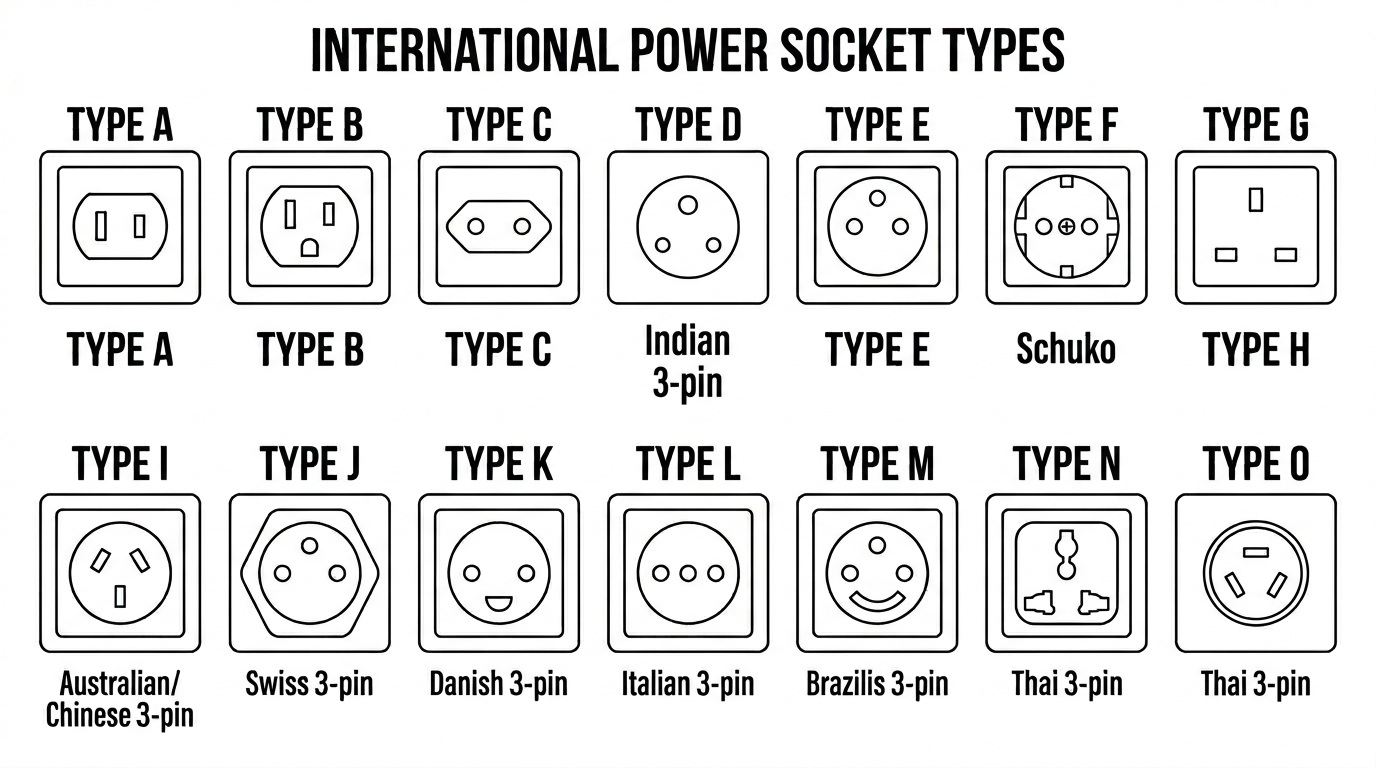
I Guinea betalar man med Guinean franc, eluttagen är av typ C, F och K och nödnumret är 112. Guinea requires a high degree of caution.
Nödnummer
Hur säkert är Guinea?
- Mycket säkert
- Generellt säkert
- Var försiktig
- Hög risk
- Farligt
Guinea requires a high degree of caution. The capital Conakry and other urban areas see street crime including muggings, bag-snatching, and armed robbery, and political demonstrations can turn violent and unpredictable with little warning. The country has a history of coups (most recently the military takeover in September 2021) and periodic civil unrest; security forces sometimes respond with force. Infrastructure is weak, road conditions are poor, medical facilities are very limited, and travel to remote areas carries added risk. Many governments advise reconsidering non-essential travel to parts of the country and exercising heightened caution overall. Border regions, especially near areas of regional instability, warrant extra care.
Reseaviseringar (9)
Bedrägerier
- Police and security checkpoints, common on roads and in the city, are sometimes used to solicit bribes from travelers; keep copies of your documents, stay calm and polite, and avoid handing over your original passport if possible.
- Currency-exchange and money scams are common; only change money at banks or reputable bureaux, count notes carefully, and be wary of street money-changers offering attractive rates.
- Advance-fee and romance/'business opportunity' scams sometimes originate from contacts in Guinea, requesting wired money for fictitious mining, gold, or inheritance deals; never send money to people you have not met in person.
- Fake guides, fixers, and overcharging taxi drivers target arrivals at the airport and markets; agree on prices before any service, and arrange airport pickups through your hotel.
Varningar
- Political demonstrations and strikes can erupt suddenly, especially in Conakry, and may become violent; avoid all protests, large gatherings, and political rallies.
- Guinea has experienced military coups and periods of instability; monitor local news and your government's travel advisory, and have a contingency plan to leave if the situation deteriorates.
- Medical facilities are very limited and serious cases require evacuation; ensure comprehensive travel insurance that covers medical evacuation, and carry yellow fever proof plus malaria prophylaxis.
- Road travel is hazardous due to poor roads, unlit vehicles, and reckless driving; avoid driving at night, and be cautious in remote and border areas where security can be uncertain.
- Outbreaks of disease (Guinea was the origin of the 2014 Ebola epidemic and has seen subsequent flare-ups) and cholera occur; check current health notices before and during travel.
Praktisk info
Valuta
Guinean franc (GNF)
Eluttag
Typ C, F och K
Types C, F and K, 230V, 50Hz
Se eluttagen
Dricks
Tipping is not deeply ingrained but is appreciated for good service. In upscale restaurants and hotels catering to foreigners, rounding up or leaving about 5-10% is welcome. Small tips for porters, drivers, and guides are customary. Outside tourist contexts, tipping is modest and optional. Carry small denominations of cash, as change can be hard to find.
SIM / Data
Local SIM cards are inexpensive and the practical way to get data. The main operators are Orange Guinée and MTN Guinea, with Cellcom/Telecel also present. Buy a SIM from an official shop in Conakry and bring your passport for registration. Coverage and 4G are decent in Conakry and larger towns but thin out in rural and mountainous areas. Top-up scratch cards are sold everywhere; mobile money (Orange Money, MTN MoMo) is widely used.
Visum
Most visitors need a visa to enter Guinea. Guinea operates an e-visa system (consulat.gov.gn) allowing many nationalities to apply online before travel and collect the visa on arrival at Conakry airport; some travelers still obtain a visa in advance from a Guinean embassy. A passport valid for at least six months is required. Proof of yellow fever vaccination is mandatory for entry and may be checked on arrival. Always confirm current requirements with an official Guinean source or embassy before booking.
Körfält
Right
Hur tar man sig runt i Guinea?
Kollektivtrafik
Public transport is informal and crowded. Shared taxis (taxis-brousse) and minibuses serve fixed routes for set fares, and motorcycle taxis (locally 'taxi-moto') are everywhere for short hops, though helmets are rare and they carry real risk. In Conakry, shared yellow taxis ply the main arteries; you pay per seat and share with strangers. There is no metro or formal city bus network of note. Negotiate or confirm fares before boarding.
Taxitjänster
- Yangoavailable in Conakry
- Heetchavailable in some West African cities; check current Conakry availability
Intercity
Intercity travel is mainly by bush taxi and minibus from gares routières (motor parks), departing when full rather than on a timetable. Roads range from a few paved highways to rough, slow tracks, and journeys take far longer than distances suggest, especially in the rainy season (roughly May to October) when routes can become impassable. Domestic flights are very limited. For long trips or the scenic Fouta Djallon highlands, hiring a 4x4 with a trusted driver is the most reliable and comfortable option.
Kultur och seder
Seder
- Greetings are essential and never rushed; people exchange extended inquiries about family, health, and work before discussing business, and skipping this is considered rude. Among Muslims you'll often hear the Arabic 'As-salaam alaikum' greeting.
- Use your right hand for eating, giving, and receiving items; the left hand is considered unclean. When sharing a communal bowl of rice and sauce, eat only from the section directly in front of you.
- Respect for elders is deeply embedded: defer to older people in seating, speaking order, and decisions, and greet the eldest person in a room first.
- Hospitality is a point of pride; if offered food, tea, or a place to sit, accepting graciously honors the host, and declining outright can cause offense. Attaya (sweet green tea) is served in several rounds and lingering is part of the ritual.
- Dress modestly, especially outside Conakry and in the predominantly Muslim interior; women often cover shoulders and knees, and conservative dress is expected near mosques.
- Avoid public displays of affection, and ask permission before photographing people, government buildings, bridges, airports, or military and police personnel, which is sensitive and can lead to trouble.
Klädkod
Modest, lightweight clothing suited to a hot tropical climate. In a majority-Muslim country, women should keep shoulders and knees covered, particularly in rural areas, markets, and around mosques; a scarf is useful for visiting religious sites. Men wear long trousers in most settings. Beachwear belongs only at the beach or pool. Conakry is somewhat more relaxed, but conservative dress avoids unwanted attention everywhere.
Religiös etikett
Guinea is approximately 85-90% Muslim, with Christian and traditional-faith minorities. Dress and behave respectfully around mosques, and note that non-Muslims are generally not permitted inside. During the holy month of Ramadan, avoid eating, drinking, or smoking in public during daylight hours out of respect for those fasting. Friday is the main day of prayer. Ask permission before photographing worshippers or religious ceremonies, and remove shoes if invited into a prayer space or a home.
Vanliga uttryck
- BonjourHello / Good morning (French, the official language)
- Comment ça va ?How are you?
- MerciThank you
- As-salaam alaikumPeace be upon you (common Muslim greeting; reply: Wa alaikum salaam)
- I ni ceThank you (in Malinké/Maninka, a major local language)
- Combien ça coûte ?How much does it cost?
Höjdpunkter
Sport & fritid
Football (soccer)
Football is by far the national passion. Guineans follow the national team, the Syli National ('National Elephants'), with fervor during the Africa Cup of Nations and World Cup qualifiers, and matches draw crowds to bars, streets, and homes around shared TVs. Many Guinean players compete in top European leagues, and local fans follow clubs like Hafia FC and Horoya AC. Beyond football, Guinea has a proud tradition in athletics and a vibrant culture of music and dance (the country is famed for its drumming, balafon, and the legendary Les Ballets Africains) that is woven into recreation and celebration.
Nationella högtider
- October 2
Independence Day
Marks Guinea's independence from France in 1958, when it was the only French colony to vote 'No' to de Gaulle's community and choose immediate sovereignty under Sékou Touré. Celebrated nationwide with parades, speeches, and patriotic events.
- Varies (lunar calendar)
Eid al-Fitr (Tabaski's lead-in / fin du Ramadan)
The festival ending the holy month of Ramadan, one of the most important holidays in this majority-Muslim country. Families gather for special prayers, feasting, new clothes, and visiting relatives; the date shifts about 11 days earlier each year.
- Varies (lunar calendar)
Eid al-Adha (Tabaski)
The 'Feast of Sacrifice,' the largest religious celebration in Guinea, commemorating Ibrahim's willingness to sacrifice his son. Families slaughter a sheep, share meat with relatives and the poor, wear their finest clothing, and gather for communal prayers.
- May 1
Labour Day (Fête du Travail)
International Workers' Day, a public holiday observed with workers' marches, union events, and a day off, reflecting the strong role of labor unions in Guinean public life.
Ska du till Guinea?
Prova en färdig resa först.
Öppna demoresan utan att registrera dig: Barcelona på egen hand, eller Rom, Florens och Venedig i grupp. Planera sedan Guinea på ditt eget sätt.