
Matkaopas: Etelä-Sudan. Olennaiset matkatiedot — hätänumerot, turvallisuus, valuutta, viisumit, tavat ja liikkuminen.
Hätänumerot
Hätänumerot · Etelä-SudanSoita numeroa napauttamalla
Poliisi
Ambulanssi
Ambulance coverage is minimal; for serious cases arrange private medical transport or evacuation through a clinic such as those used by international organizations rather than relying on a public ambulance line.
Ambulance coverage is minimal; for serious cases arrange private medical transport or evacuation through a clinic such as those used by international organizations rather than relying on a public ambulance line.
Palokunta
Emergency services are very limited and unreliable; in Juba try the police on
999and the South Sudan Red Cross / hospital contacts, but do not rely on a functioning fire service.
Yleistä
There is no single reliable nationwide emergency number; coverage is poor and response is not guaranteed. Arrange private security and medical evacuation support, and keep your embassy and a local fixer's contacts to hand.
There is no single reliable nationwide emergency number; coverage is poor and response is not guaranteed. Arrange private security and medical evacuation support, and keep your embassy and a local fixer's contacts to hand.
Kuinka turvallinen Etelä-Sudan on?
- Erittäin turvallinen
- Yleisesti turvallinen
- Varovaisuutta noudatettava
- Korkea riski
- Vaarallinen
South Sudan is one of the most dangerous countries in the world for travelers, and most Western governments advise against all travel. Armed conflict, intercommunal violence, banditry, kidnapping, carjacking and violent crime occur, and the security situation can deteriorate rapidly and unpredictably. Government control outside Juba is limited, landmines and unexploded ordnance contaminate many areas, and humanitarian access is often restricted. Consular assistance is extremely limited as many countries have no or reduced embassy presence. Travel here should only be considered by those on essential humanitarian, diplomatic or professional missions with comprehensive security support, evacuation plans and specialist insurance.
Matkatiedotteet (10)
Huijaukset
- Fake or unofficial checkpoints and bogus officials demanding 'fees' or 'fines' are common. Armed men in or out of uniform may stop vehicles and solicit bribes; keep copies of documents, stay calm and travel with a trusted local fixer who knows the routes.
- Photography 'fines': individuals (sometimes posing as security) may accuse you of illegal photography to extort money. Never photograph anything official and be wary of anyone aggressively demanding payment over photos.
- Currency and exchange scams are widespread given the volatile pound. Avoid changing money with street dealers offering unrealistic rates, count cash carefully, and be alert to counterfeit notes and sleight-of-hand short-changing.
- Inflated 'guide,' permit or hotel-booking arrangements made online or by phone can be fraudulent. Use established organizations, confirm arrangements in person where possible, and never wire large sums in advance to unverified contacts.
Varoitukset
- Most governments (including the US, UK, Canada and Australia) advise 'Do Not Travel' / against all travel to South Sudan due to armed conflict, crime, kidnapping and the risk of a rapidly deteriorating security situation.
- Active and recurring armed clashes and intercommunal violence occur across many states; fighting can flare with little warning, including around Juba.
- High risk of kidnapping, carjacking, armed robbery and assault, including targeting of foreigners and aid workers.
- Landmines and unexploded ordnance remain a serious hazard, especially off main roads and outside urban centers; never stray from cleared paths.
- Reliable medical care is largely unavailable; serious illness or injury usually requires costly medical evacuation, and disease outbreaks (including cholera, malaria, hepatitis E and measles) occur.
- Movement is heavily restricted: internal travel permits are required, roads may be impassable in the rainy season, and curfews or sudden security closures can strand travelers.
Käytännön tietoa
Valuutta
South Sudanese pound (SSP)
Pistoke
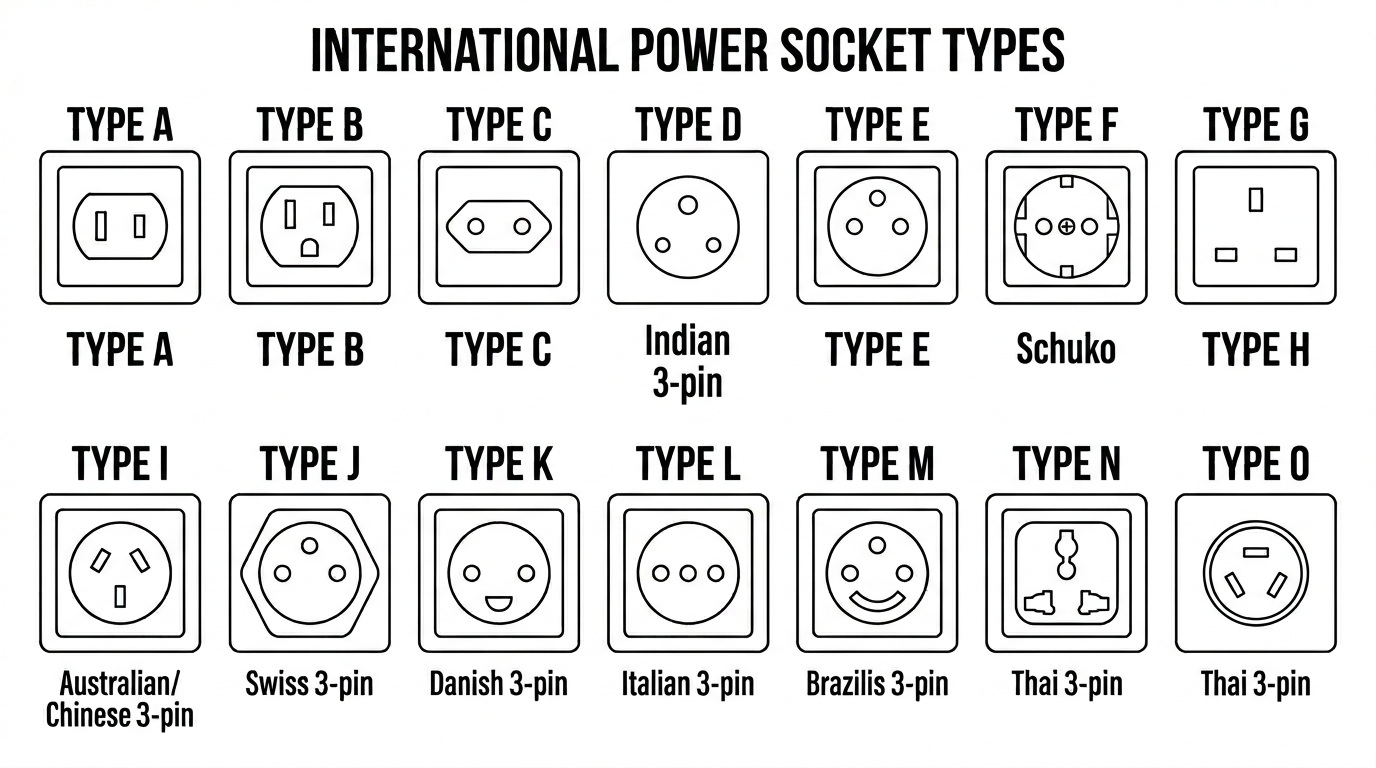
Tyyppi C, D ja G
Types C and D are common, with some British-style Type G also in use; voltage is 230V at 50Hz. Mains power is unreliable, so a power bank, surge protection and an adaptor are strongly advised.
Katso pistorasiat
Juomaraha
Tipping is not deeply ingrained but is appreciated, especially in hotels and restaurants used by international visitors. Rounding up the bill or leaving around 5-10 percent for good service is reasonable, and small tips to porters, drivers and guides are welcomed. Carry small denominations, as change can be hard to come by.
SIM / Data
Local SIM cards from operators such as MTN South Sudan and Zain are inexpensive and the most practical way to get connected; bring your passport (and sometimes a photo) to register the SIM. Coverage and mobile data are reasonable in Juba but patchy to nonexistent outside major towns. Power and network outages are common, so download offline maps and key documents in advance and carry a power bank.
Viisumi
Most visitors require a visa obtained in advance from a South Sudanese embassy; an approval/invitation letter is often needed. An e-visa system has been introduced but availability and reliability vary, so confirm current procedures before travel. A passport valid for at least six months and a Yellow Fever vaccination certificate are required for entry. All foreigners must register with the Directorate of Nationality, Passports and Immigration in Juba shortly after arrival, and separate travel permits are typically required to leave the capital and visit other states. Check the latest rules with the embassy, as requirements change frequently.
Ajopuoli
Right
Miten Etelä-Sudan kierretään?
Julkinen liikenne
There is no formal public transport network. In Juba, shared minibuses and motorcycle taxis (boda-bodas) and some shared taxis operate, but they are informal, often unsafe, and not recommended for foreign visitors, who typically rely on hotel or organization vehicles with trusted local drivers. There is no metro or rail passenger service.
Kyytipalvelut
- No reliable international ride-hailing apps (such as Uber or Bolt) operate in South Sudan; arrange transport through your hotel, organization, or a vetted local driver.
Kaukoliikenne
Intercity travel is difficult and high-risk. Most roads are unpaved, become impassable in the rainy season (roughly April to November), and many routes carry security risks including banditry, ambush and landmines, so overland travel often requires armed escorts or convoys arranged through organizations. Domestic flights on operators such as the UN's UNHAS (for humanitarian staff) and a handful of small local carriers connect Juba with regional towns like Wau, Malakal and Bor, and flying is generally the safest option where available. River transport on the Nile exists but is slow and insecure. Always check current security advice before any journey.
Kulttuuri ja tavat
Tavat
- Greetings are important and never rushed. People shake hands warmly, often holding the handshake for the duration of a conversation, and ask after your family and health before any business is discussed.
- South Sudanese society is built around dozens of ethnic communities (the Dinka and Nuer are the largest, alongside the Bari, Zande, Shilluk and many others). Showing respect for a person's community and avoiding generalizations is essential, especially given the country's history of intercommunal conflict.
- Cattle hold deep cultural, economic and ceremonial value, particularly among Dinka and Nuer pastoralists, where they feature in dowries, songs and personal naming. Never treat cattle ownership as a trivial subject.
- Elders are treated with great deference. Greet the oldest people in a room first, use both hands or the right hand when giving and receiving, and avoid contradicting an elder publicly.
- Hospitality is generous even where resources are scarce; if offered food or tea it is polite to accept at least a little. Eat and pass items with the right hand, as the left is considered unclean.
- Always ask permission before photographing people, and never photograph soldiers, police, government buildings, bridges, the airport or anything that could be considered strategic, as this can lead to detention.
Pukukoodi
Dress modestly and conservatively. Women should keep shoulders and knees covered, and in predominantly Muslim areas and rural communities longer skirts or dresses and a head covering are appreciated. Men should avoid sleeveless tops in towns. Lightweight, breathable cotton suits the heat; lightweight long sleeves and trousers also help against sun and mosquitoes.
Uskonnollinen käytäytyminen
South Sudan is majority Christian, with a significant Muslim minority and many followers of traditional African beliefs. Sunday is widely observed for church services and many businesses close or open late. Dress modestly when visiting churches or mosques, remove shoes before entering a mosque, and women should cover their heads in mosques. Be respectful during prayer times, avoid eating or drinking openly in front of Muslims during Ramadan in Muslim areas, and treat religious and traditional beliefs with sensitivity.
Yleisiä ilmauksia
- Salaam / Salaam alaykumHello / Peace be upon you (Juba Arabic greeting, widely understood)
- Kef? / Keef da?How are you? / How is it? (Juba Arabic)
- Tamam / KwesGood / Fine, okay
- ShukranThank you
- Ma'aleshSorry / Never mind / It's okay
- Kam de?How much is this? (asking a price)
Nähtävyydet
Urheilu & vapaa-aika
Football (soccer)
Football is by far the most popular sport, played enthusiastically on dust pitches across the country and followed passionately, including European leagues watched in town gathering spots. South Sudan also has a remarkable basketball heritage, producing world-class players (most famously the late Manute Bol and a new generation of NBA and international stars), and the national basketball team, the Bright Stars, has become a source of huge national pride after qualifying for the World Cup and the Olympic Games. Traditional wrestling, especially among the Dinka and Nuer, is a celebrated cultural sport tied to community identity and ceremonies.
Kansalliset juhlapäivät
- July 9
Independence Day
Marks South Sudan's independence from Sudan in 2011, making it the world's newest internationally recognized country. Celebrated with parades, speeches, music and national pride, primarily in Juba.
- Variable (movable Islamic dates)
Eid al-Fitr and Eid al-Adha
Major Islamic festivals observed by the Muslim community, marking the end of Ramadan and the feast of sacrifice respectively, with prayers, family gatherings and shared meals.
- December 25
Christmas
Widely celebrated by the Christian-majority population with church services, family feasts and community gatherings; one of the most important holidays of the year.
- May 16
SPLA / Martyrs' Day
Commemorates the founding of the Sudan People's Liberation Army and honors those who died in the long struggle for independence, marked with official ceremonies and remembrance.
Etelä-Sudan mielessä?
Kokeile ensin valmista matkaa.
Avaa demomatka ilman rekisteröitymistä: Barcelona yksin tai Rooma, Firenze ja Venetsia porukalla. Suunnittele sitten oma matkasi omalla tavallasi – kohteena Etelä-Sudan.