
パナマの旅行ガイド. 旅行に欠かせない情報 — 緊急連絡先、安全、通貨、ビザ、習慣、交通手段。
緊急電話番号
パナマの治安は?
- 非常に安全
- 概ね安全
- 注意が必要
- リスクが高い
- 危険
Panama is one of the safer countries in Central America and a major hub for tourism and business. Panama City, the Pacific beaches, Boquete, Bocas del Toro, and the Pacific coast are generally safe for travelers who use normal urban precautions. Petty crime (pickpocketing, bag-snatching) occurs in crowded areas, transit hubs, and nightlife districts. Violent crime is concentrated in specific neighborhoods of Panama City (such as El Chorrillo, Curundu, and parts of Colon city) that travelers should avoid. The Darien Gap region along the Colombian border is genuinely dangerous due to drug trafficking, armed groups, and migrant smuggling routes, and should not be entered overland.
旅行情報 (7)
詐欺情報
- Unmetered taxis routinely overcharge tourists, especially from the airport and at hotels. Agree on the fare before getting in, or use ride-hailing apps that show the price upfront.
- Currency confusion scams: because Panama uses the US dollar, vendors may give change in worn or torn bills, or short-change tourists unfamiliar with the local Balboa coins. Count change carefully.
- Fake or unlicensed tour operators in Bocas del Toro and around Casco Viejo sell boat trips and island tours that don't deliver what's promised. Book through reputable, established agencies.
- ATM skimming and card cloning occur at standalone machines. Use ATMs inside banks or major malls and shield your PIN.
警告
- Avoid the Darien Province / Darien Gap on the Colombian border entirely. It is a lawless region with armed criminal groups, drug trafficking, and dangerous migrant smuggling routes, and is not a viable overland crossing.
- Avoid the high-crime neighborhoods of Colon city and Panama City districts such as El Chorrillo, Curundu, San Miguelito, and parts of Santa Ana, particularly after dark.
- Riptides are common on both Pacific and Caribbean beaches; many lack lifeguards. Several drownings occur each year, so heed local warnings and avoid swimming when conditions are rough.
実用情報
通貨
Panamanian Balboa (the US dollar circulates as legal tender alongside it) (PAB)
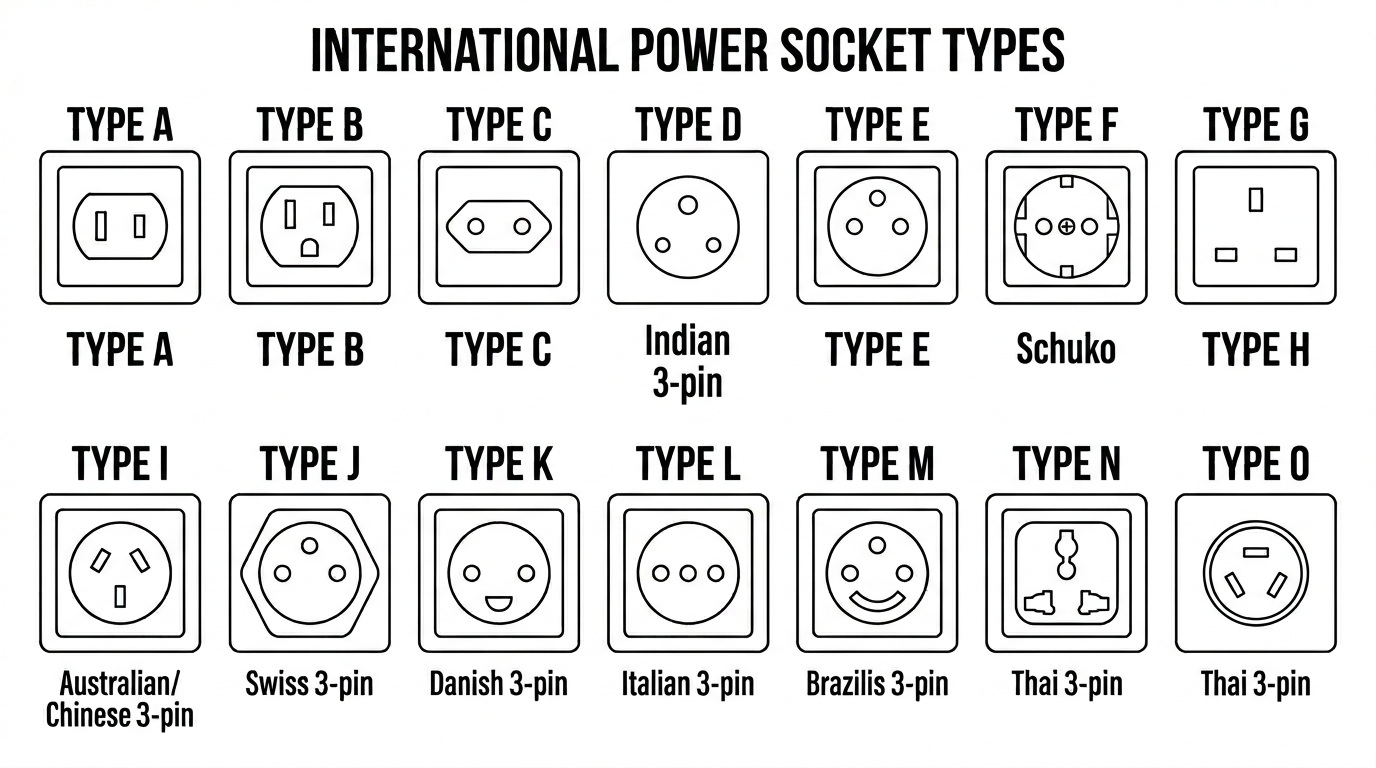
電源プラグ
A、Bタイプ
Types A and B, 120V, 60Hz (same as the United States)
コンセントを見る
チップ
Tipping is appreciated but more modest than in the US. Restaurants often add a 10% service charge; if not, leaving around 10% is customary. Round up for taxis, tip hotel porters US$1-2 per bag, and tip tour guides a few dollars for good service.
SIM / データ
Local prepaid SIM cards from carriers such as +Móvil (formerly Cable & Wireless), Tigo, and Digicel are inexpensive and sold at the airport, malls, and carrier shops; bring your passport to register. Coverage is strong in cities and along the Pacific corridor but spotty in remote areas like parts of Bocas del Toro and the Darien. eSIMs (Airalo, Holafly, etc.) are a convenient alternative for short stays.
ビザ
Many nationalities (including US, Canadian, UK, EU, Australian, and New Zealand citizens) can enter Panama visa-free as tourists for up to 90 or 180 days, depending on nationality. A passport valid for at least 3-6 months, proof of onward/return travel, and proof of sufficient funds (often around US$500) may be requested. Always confirm current requirements with an official Panamanian source before travel, as rules change.
通行区分
Right
パナマでの移動手段は?
公共交通機関
Panama City has a modern, air-conditioned Metro (the only subway in Central America) and the MetroBus system, both using a rechargeable Metrobus card. The colorful old 'diablo rojo' buses have largely been phased out of the capital. Outside the city, buses and shared vans ('chivas') connect towns, though schedules can be informal.
配車サービス
- Uber
- InDrive
- Yango
都市間移動
Long-distance buses depart from Panama City's Albrook Bus Terminal (Gran Terminal de Transporte) and reach most of the country affordably. The deluxe overnight bus to David (gateway to Boquete) is popular. Domestic flights via Air Panama from Albrook 'Marcos A. Gelabert' Airport reach Bocas del Toro, David, and remote spots quickly. To reach island destinations like Bocas del Toro or the San Blas (Guna Yala) islands, water taxis and small boats are essential.
文化と習慣
風習
- Greetings are warm and important. A handshake is standard for first meetings; among friends and women, a single kiss on the cheek is common. Always greet people with 'buenos días/tardes' before getting down to business.
- Panamanians value personal relationships and politeness. Rushing interactions or being overly blunt is seen as rude. Take time for small talk before transactions.
- Family is central to social life, and Sundays are typically reserved for family gatherings and meals. Many businesses close or run reduced hours.
- Dress is generally neat and put-together; Panamanians take pride in appearance even in the heat. Beachwear is for the beach, not for restaurants, churches, or city streets.
- The traditional 'pollera' dress and 'montuno' attire are sources of national pride, worn during festivals and patriotic celebrations. Treat these cultural symbols with respect.
- Punctuality is relaxed socially ('hora panameña'), but business and tours are expected to start closer to on time. Arriving slightly late to a social invitation is normal.
ドレスコード
Lightweight, breathable clothing for the hot, humid tropical climate. Casual but neat dress is the norm; locals avoid looking sloppy. Cover shoulders and knees when visiting churches. Bring a light rain jacket for the green (rainy) season and warmer layers for the cooler highlands around Boquete and Cerro Punta.
宗教的マナー
Panama is predominantly Roman Catholic, with a significant and growing Protestant/evangelical minority, plus Jewish, Muslim, Hindu, and Bahá'í communities. Religion is treated respectfully. When visiting churches and cathedrals, dress modestly (cover shoulders and knees), remove hats, lower your voice, and avoid disrupting services or taking flash photos during worship. Easter/Holy Week (Semana Santa) is widely observed.
よく使うフレーズ
- Buenos díasGood morning
- ¿Cuánto cuesta?How much does it cost?
- Por favor / GraciasPlease / Thank you
- ¿Dónde está el baño?Where is the bathroom?
- No hablo españolI don't speak Spanish
- La cuenta, por favorThe bill, please
見どころ
スポーツ&レクリエーション
Baseball
Baseball is Panama's national passion, and the country has produced Major League stars including Hall of Fame closer Mariano Rivera and Rod Carew. Boxing is another point of national pride, with legends like Roberto 'Manos de Piedra' Durán. Football (soccer) has grown rapidly in popularity since the national team qualified for the 2018 World Cup. Beyond spectator sports, Panama is a world-class destination for surfing (Santa Catalina, Bocas del Toro), sportfishing, scuba diving, and hiking, including the Quetzal Trail and the climb up Volcán Barú.
国の祝日
- Late February / early March (40 days before Lent)
Carnival (Carnaval)
Panama's biggest celebration, with four days of parades, music, water battles ('culecos'), costumes, and dancing. The festivities in Las Tablas on the Azuero Peninsula are the most famous and elaborate in the country.
- November (throughout the month)
Fiestas Patrias (Independence Month)
A month-long series of patriotic holidays marking separation from Colombia (Nov 3), Flag Day (Nov 4), and independence from Spain (Nov 28), celebrated with marching bands, drum corps, parades, and folkloric pride across the country.
- Movable, in March or April
Semana Santa (Holy Week)
The Catholic Easter week is widely observed with religious processions, especially in colonial towns. Many Panamanians travel to the beach or countryside, and alcohol sales are restricted on certain days.
- September / October
Festival de la Mejorana / Azuero folklore festivals
Held in Guararé on the Azuero Peninsula, this is the country's most important folkloric festival, celebrating traditional music, the mejorana (a small native guitar), polleras, and Panamanian heritage.
パナマを計画中ですか?
まずは準備済みの旅行を試してみましょう。
登録なしでデモ旅行を開けます。ひとりでバルセロナへ、またはグループでローマ、フィレンツェ、ヴェネツィアへ。そのあとで、パナマの旅を自分らしく計画しましょう。