
東ティモールの旅行ガイド. 旅行に欠かせない情報 — 緊急連絡先、安全、通貨、ビザ、習慣、交通手段。
緊急電話番号
東ティモールの治安は?
- 非常に安全
- 概ね安全
- 注意が必要
- リスクが高い
- 危険
Timor-Leste is generally calm and welcoming for travelers, but it is a young, developing nation with limited infrastructure, basic medical facilities, and occasional political demonstrations that can turn disruptive. Crime is mostly petty (theft, scams) rather than violent, though gang ('martial arts group') clashes flare up periodically, mainly in parts of Dili and away from tourist activities. Roads are poor and travel after dark is risky. Exercise normal-to-increased caution, monitor local news, and avoid demonstrations.
旅行情報 (8)
詐欺情報
- Inflated taxi and microlet fares for foreigners are common in Dili, especially from the airport — agree on a price before getting in, as most taxis lack working meters.
- ATM skimming and limited cash access: ATMs are scarce outside Dili and frequently run out of cash or go offline, so carry sufficient USD in small denominations and be wary of card-reading devices.
- Street money-changers and informal 'guides' may shortchange you or pressure you into overpriced tours; use established operators and count change carefully.
- Petty theft and bag-snatching can occur in crowded markets (such as Tais Market and Mercado Lama) and on beaches if valuables are left unattended.
警告
- Avoid all political demonstrations, rallies, and large gatherings, as they can escalate quickly and unpredictably.
- Road conditions are hazardous: narrow mountain roads, landslides (especially in the wet season, roughly December–April), poor lighting, and roaming livestock make driving — particularly at night — dangerous.
- Medical facilities are very limited; serious cases require medical evacuation to Darwin (Australia) or Singapore, so comprehensive travel insurance covering evacuation is essential.
- Crocodiles inhabit coastal waters, estuaries, and rivers — heed local advice and warning signs before swimming or wading.
実用情報
通貨
United States dollar (with locally minted Timorese centavo coins used for small change) (USD)
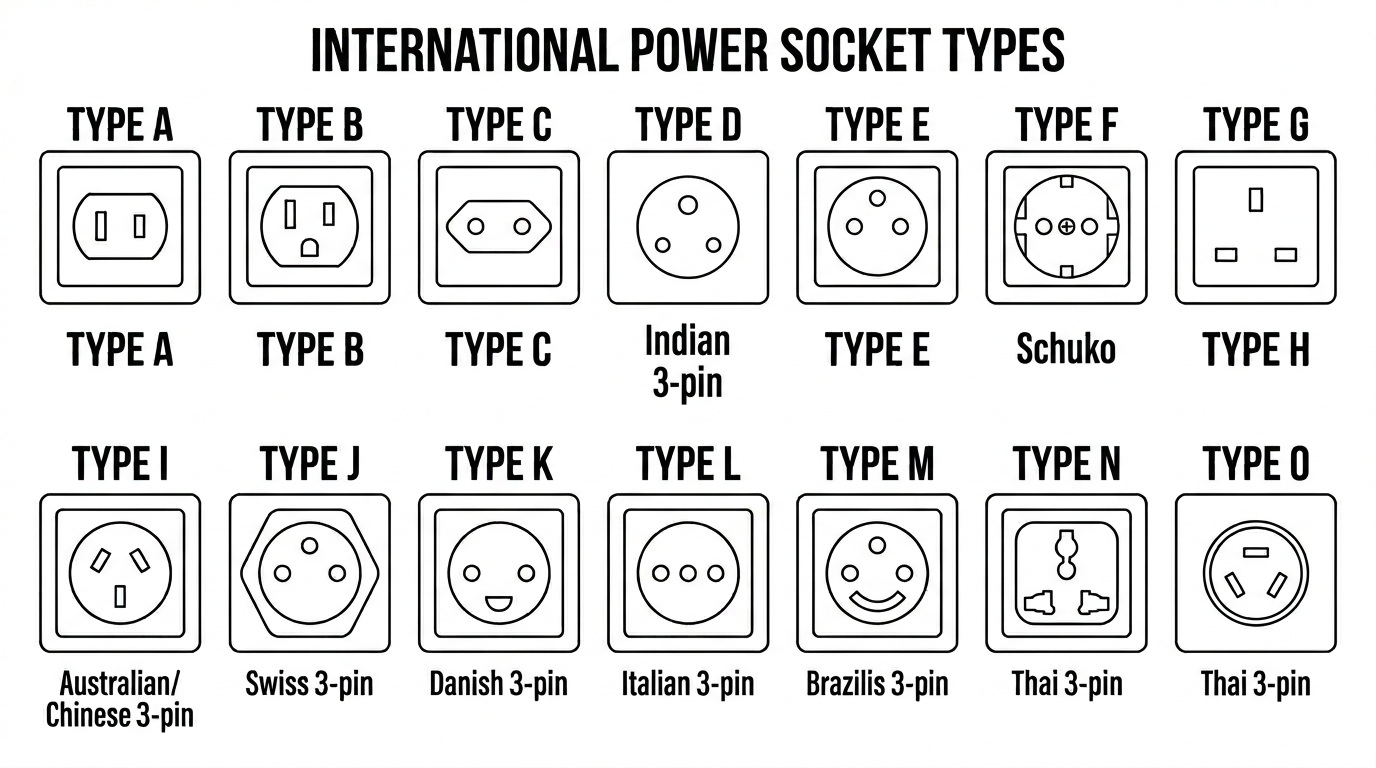
電源プラグ
C、Fタイプ
Types C, F, and I are used; mains voltage is 220V at 50Hz.
コンセントを見る
チップ
Tipping is not traditionally expected and is not part of local culture, but it is increasingly appreciated in tourist-oriented restaurants, hotels, and dive operations. Rounding up the bill or leaving around 5–10% for good service is a kind gesture. Tipping guides and drivers for multi-day trips is welcomed.
SIM / データ
Telkomcel and Telemor are the main mobile providers, with Timor Telecom also operating. Buy a local SIM cheaply in Dili (bring your passport for registration) for the best data rates; coverage is decent in Dili and main towns but patchy or absent in remote mountain and coastal areas. 4G is available in urban areas. Buy and top up at provider shops or kiosks rather than the airport for better value.
ビザ
Most visitors can obtain a tourist visa on arrival at Dili's Presidente Nicolau Lobato International Airport, typically valid for 30 days for a fee paid in US dollars (around USD 30); land borders with Indonesia generally require a visa arranged in advance. Citizens of some countries (notably Portugal and a few others) may enter visa-free or have special arrangements. Always carry a passport valid at least 6 months with blank pages, and confirm current rules with an embassy before travel.
通行区分
Left
東ティモールでの移動手段は?
公共交通機関
Within Dili, the cheapest way around is the 'mikrolet' — small, brightly painted, numbered minivans that follow fixed routes for a flat fare of around 25 US cents; just flag one down and pay on board. Yellow taxis are plentiful in the capital but old and unmetered, so always negotiate the fare first (short rides are usually a couple of dollars). There is no rail network or formal metro system anywhere in the country, and bus services are informal.
配車サービス
- No established international ride-hailing apps (such as Uber or Grab) operate in Timor-Leste; rides are arranged via street taxis, hotels, or local drivers/WhatsApp contacts.
都市間移動
Intercity travel relies mainly on minibuses ('mikrolet' for short hops and larger 'angguna'/buses for longer routes) and shared bemos/trucks, which are cheap but slow, crowded, and run to no fixed timetable. Roads to the districts (Baucau, Maliana, the south coast, and the Oecusse enclave) are often rough, winding, and prone to wet-season landslides. Renting a 4WD with a driver is the most reliable and comfortable option for exploring. A ferry (the Berlin Nakroma and faster services) connects Dili with the Oecusse enclave and Atauro Island.
文化と習慣
風習
- Greet people warmly and take time for pleasantries; a relaxed pace and personal connection ('dame', meaning peace, is part of everyday courtesy) matter more than punctuality.
- Use your right hand for giving, receiving, and eating, as the left hand is considered unclean.
- Dress modestly, especially in villages and churches; cover shoulders and knees and remove hats inside churches in this overwhelmingly Catholic country.
- Respect 'lulik' — sacred objects, sites, and ancestral 'uma lulik' (sacred houses); never touch or photograph them without permission, and ask before entering traditional villages.
- Ask permission before photographing people, particularly elders and children, and respect refusals graciously.
- Gift-giving and hospitality run deep; if invited to a home or a ceremony, accepting food or betel nut graciously is a sign of respect, even if you only take a little.
ドレスコード
Modest, lightweight clothing suited to a hot, humid tropical climate. Cover shoulders and knees in churches, government offices, and rural villages. Beachwear is fine at resorts and dive spots but not in towns. Locals dress conservatively, and respectful attire is appreciated everywhere outside tourist beaches.
宗教的マナー
Timor-Leste is one of the most Catholic countries in the world (roughly 97% Catholic), and faith is central to daily life. Dress modestly and stay quiet during Mass; remove hats in churches. Sundays and religious holidays (especially Easter and Christmas) are observed widely, with many businesses closed. Respect processions and shrines, and ask before photographing inside churches. Traditional animist beliefs ('lulik') often coexist with Catholicism — treat sacred sites and ancestral customs with equal respect.
よく使うフレーズ
- BondiaGood morning
- Obrigadu (m) / Obrigada (f)Thank you
- Diak ka lae?How are you? (lit. 'Good or not?')
- Hau diakI am fine / good
- Favór idaPlease
- Adeus / Ate loguGoodbye / See you later
見どころ
スポーツ&レクリエーション
Football (soccer)
Football is the most popular sport, played informally on beaches, fields, and dusty lots across the country, with the national team (the Sandalwoods) keenly followed despite limited resources. Martial arts have a strong but socially complicated presence (some groups have been linked to gang violence). Diving and snorkeling are the country's signature recreational draws — the waters around Atauro Island and Dili's coast are among the most biodiverse on Earth — alongside hiking up Mount Ramelau, the nation's highest peak, especially for sunrise pilgrimages.
国の祝日
- May 20
Restoration of Independence Day
The national day marking the formal restoration of Timor-Leste's independence in 2002, celebrated with ceremonies, parades, music, and cultural events, especially in Dili.
- August 30
Popular Consultation Day (Referendum Day)
Commemorates the 1999 UN-supervised referendum in which Timorese overwhelmingly voted for independence from Indonesia; a public holiday of remembrance and national pride.
- November 12
Santa Cruz Massacre / National Youth Day
A solemn day of remembrance for the 1991 Santa Cruz Cemetery massacre in Dili, honoring those killed in the struggle for independence, marked by memorial services and processions.
- December 25
Christmas
A major religious celebration in this deeply Catholic nation, observed with Midnight Mass, family gatherings, feasting, and widespread closures over the festive period.
東ティモールを計画中ですか?
まずは準備済みの旅行を試してみましょう。
登録なしでデモ旅行を開けます。ひとりでバルセロナへ、またはグループでローマ、フィレンツェ、ヴェネツィアへ。そのあとで、東ティモールの旅を自分らしく計画しましょう。