
I Uzbekistan betalar man med Uzbekistani so'm, eluttagen är av typ C och F och nödnumret är 112. Uzbekistan is generally a safe and welcoming destination for travelers, with low rates of violent crime and a strong tradition of hospitality toward guests.
Nödnummer
Hur säkert är Uzbekistan?
- Mycket säkert
- Generellt säkert
- Var försiktig
- Hög risk
- Farligt
Uzbekistan is generally a safe and welcoming destination for travelers, with low rates of violent crime and a strong tradition of hospitality toward guests. The most common problems are petty theft in crowded bazaars and overcharging by taxi drivers rather than anything threatening. Police have a visible presence, especially in Tashkent, Samarkand and Bukhara, and tourist areas are well patrolled. Solo and female travelers report feeling comfortable, though normal precautions apply after dark and in quiet areas.
Reseaviseringar (9)
Bedrägerier
- Unofficial taxi drivers at Tashkent airport and tourist sites quoting inflated fares — agree the price before getting in or use the Yandex Go app
- Currency black-market touts offering 'better' rates for US dollars; banks and licensed exchange offices are safe and rates are now near-market since liberalization
- Bazaar vendors (e.g. Chorsu, Siyob) overcharging foreigners — check prices and haggle politely
- Fake or 'closed' attraction claims by guides steering you to a friend's shop for commission
- Pickpocketing in crowded markets and on packed Tashkent metro carriages
Varningar
- Avoid the immediate border areas with Afghanistan and Tajikistan, where landmines and unmarked frontiers remain a risk in places
- Some Fergana Valley border zones require care due to occasional tension and complex enclaves — check current crossing status before traveling
- Summer heat in the desert and lowlands can exceed 40°C; carry water and avoid midday sun
- Air quality in Tashkent can be poor in winter
Praktisk info
Valuta
Uzbekistani so'm (UZS)
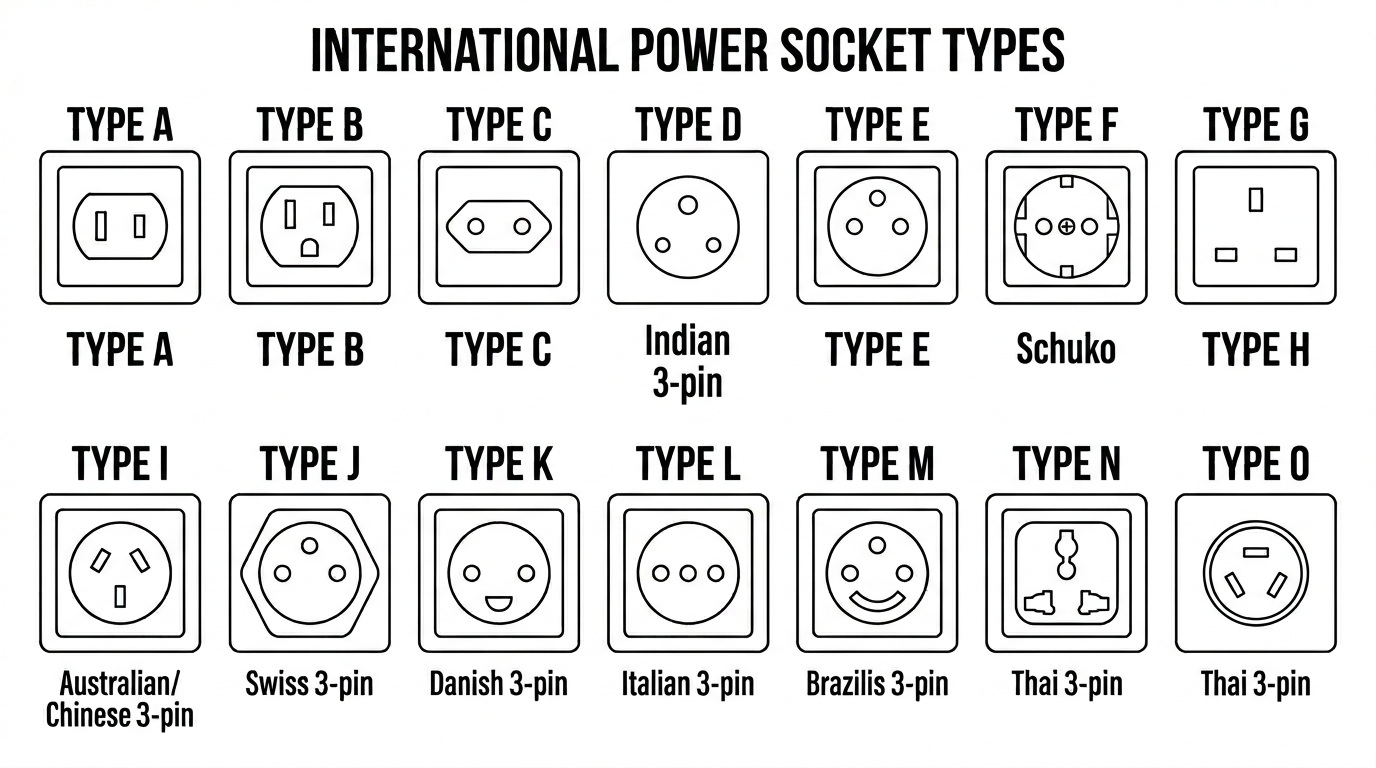
Eluttag
Typ C och F
Types C and F (European-style), 220V, 50Hz
Se eluttagen
Dricks
Tipping is not deeply ingrained but increasingly appreciated. Upscale restaurants may add a 10-15% service charge; otherwise rounding up or leaving around 10% is generous. Tip guides and drivers for good service. Taxi fares are usually negotiated or metered via app, so no extra tip is expected.
SIM / Data
Local SIM cards from Beeline, Ucell (Mobiuz), Uzmobile or Humans are cheap and offer good 4G in cities and most towns; you'll need your passport to register. Buy at official operator shops in Tashkent or at the airport. Coverage is strong in cities and along main routes but patchy in remote desert areas. eSIM options and tourist data bundles are available.
Visum
Citizens of many countries — including the EU, UK, and others — can enter visa-free for 30 days. Nationals of around 50+ countries, including the US, Canada and Australia, can apply for an e-visa online (valid 30 days) before travel. Check the official e-visa portal (e-visa.gov.uz) for your nationality, as the visa-free list is periodically updated. Passports should be valid for the duration of stay.
Körfält
Right
Hur tar man sig runt i Uzbekistan?
Kollektivtrafik
Tashkent has a clean, efficient and famously ornate metro (now photo-friendly), plus extensive bus and electric-bus networks; pay with a contactless card or fare card. Other cities rely on buses, marshrutkas and taxis. Fares are very low.
Taxitjänster
- Yandex Go
- MyTaxiExpress24
- Bolt
Intercity
The high-speed Afrosiyob train links Tashkent, Samarkand, Bukhara and Shahrisabz quickly and comfortably — book tickets in advance as they sell out. Slower Sharq and regular trains serve more routes affordably. Shared taxis (collectivos) and long-distance marshrutkas (minibuses) connect most towns cheaply, and domestic flights via Uzbekistan Airways reach distant cities like Nukus, Urgench (for Khiva) and Termez.
Kultur och seder
Seder
- Hospitality is central — if invited into a home, accept tea and bring a small gift; expect to remove your shoes at the door
- Bread (non) is sacred: never place it upside down, on the ground, or throw it away
- Greet elders first and show respect to older people, who hold high social standing
- Use your right hand or both hands to give and receive items, money and food
- Tea is offered constantly; a host filling your bowl only partly is a sign of respect, signalling they want you to stay longer
- Remove shoes before stepping onto a supa (raised tea platform) or carpeted seating area
Klädkod
Dress is modest but relaxed in cities; smart-casual is fine for most situations. At mosques, mausoleums and madrasahs, women should cover their shoulders, knees and often their hair with a scarf, and men should wear long trousers. In rural and conservative areas, conservative clothing avoids unwanted attention. Beachwear belongs only at pools and resorts.
Religiös etikett
Uzbekistan is a predominantly Sunni Muslim country with a secular government and a moderate, tolerant approach to faith. Dress modestly and remove your shoes when entering active mosques; women should cover their hair. Visitors are generally welcome at historic religious sites, but avoid disturbing those at prayer and ask before photographing worshippers. During Ramadan, be discreet when eating, drinking or smoking in public during daylight hours.
Vanliga uttryck
- Assalomu alaykumHello / peace be upon you (standard greeting)
- RahmatThank you
- Ha / Yo'qYes / No
- IltimosPlease
- Qancha turadi?How much does it cost?
- XayrGoodbye
Höjdpunkter
Sport & fritid
Football and kurash (traditional wrestling)
Football is the most widely followed sport, with a passionate national team following and players who have moved to top European clubs. Uzbekistan also excels in combat sports — boxing, judo, taekwondo and wrestling bring regular Olympic and world medals. Kurash, an indigenous form of upright jacket wrestling, is a cultural point of pride and now an international sport. Buzkashi (called uloq), a horseback game contesting a goat carcass, is still played in rural areas during celebrations.
Nationella högtider
- March 21
Navruz (Nowruz)
The Persian-origin spring new year and the country's most beloved festival, marking renewal with music, dancing, festive fairs and the communal cooking of sumalak, a sweet wheat-germ dish stirred overnight by women.
- September 1
Independence Day (Mustaqillik kuni)
Celebrates Uzbekistan's 1991 independence from the Soviet Union with grand concerts, fireworks and parades, centered on Tashkent's Independence Square.
- Late August / early September (varies)
Sharq Taronalari (Melodies of the Orient)
A biennial international music festival held in Samarkand's Registan Square, gathering folk and traditional musicians from dozens of countries for several days of performances.
- Varies (Islamic lunar calendar)
Eid al-Fitr (Ramazon Hayit) & Eid al-Adha (Qurbon Hayit)
The two major Muslim holidays marking the end of Ramadan and the feast of sacrifice, observed as public holidays with family gatherings, special meals and charity.
Ska du till Uzbekistan?
Prova en färdig resa först.
Öppna demoresan utan att registrera dig: Barcelona på egen hand, eller Rom, Florens och Venedig i grupp. Planera sedan Uzbekistan på ditt eget sätt.