
Bahrain: valuutta on Bahraini dinar, pistoketyyppi G ja hätänumero 999. Bahrain is generally a safe destination for travelers, with low rates of violent crime and a heavy, visible police presence.
Hätänumerot
Kuinka turvallinen Bahrain on?
- Erittäin turvallinen
- Yleisesti turvallinen
- Varovaisuutta noudatettava
- Korkea riski
- Vaarallinen
Bahrain is generally a safe destination for travelers, with low rates of violent crime and a heavy, visible police presence. Most Western governments place it at a moderate advisory level, primarily advising increased awareness due to occasional political demonstrations, which can flare up in specific Shia villages outside central Manama, particularly around sensitive anniversaries. Tourist areas, Manama, the financial district, and resort areas are calm and well-policed. Petty crime is uncommon but not unheard of. The main practical concerns are extreme summer heat and driving conditions rather than security.
Matkatiedotteet (8)
Huijaukset
- Unmetered taxis or drivers who refuse to use the meter, then quote inflated flat fares to tourists, especially from the airport or hotel ranks. Insist on the meter or agree a price first.
- Souq vendors in Manama Souq and Bab al-Bahrain quoting heavily marked-up 'tourist prices' on pearls, gold, and souvenirs; haggling is expected and prices often start at double.
- Pearl-buying scams selling cultured or fake pearls as genuine Bahraini natural pearls at premium prices; only buy certified natural pearls from reputable dealers with documentation (DANAT certification).
- Fake or unofficial tour operators and 'guides' approaching visitors near major sites offering overpriced trips; book through licensed hotels or established agencies.
Varoitukset
- Occasional anti-government protests and demonstrations can occur in predominantly Shia villages outside central Manama (e.g., around Sitra, Sanabis, Daih); avoid these gatherings as police may respond with tear gas.
- Avoid all photography of military, police, government, and oil/industrial installations, which can lead to detention.
- Extreme summer heat from June to September regularly exceeds 40-45°C with very high humidity; risk of heatstroke and dehydration is serious.
- Regional tensions in the wider Gulf can occasionally raise the security posture; monitor your government's latest travel advisory before and during travel.
Käytännön tietoa
Valuutta
Bahraini dinar (BHD)
Pistoke
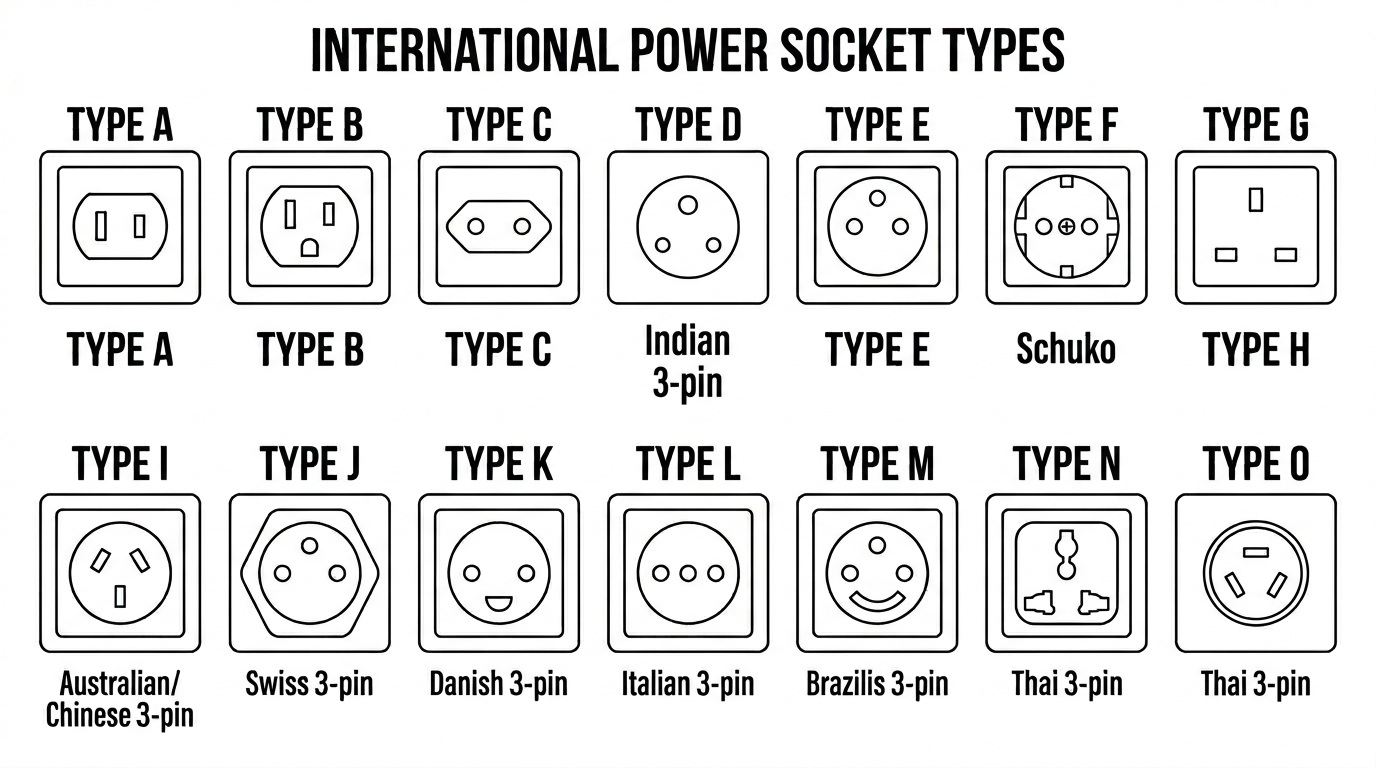
Tyyppi G
Type G (the British three-rectangular-pin plug), 230V, 50Hz
Katso pistorasiat
Juomaraha
Tipping is appreciated but not strictly obligatory. Many restaurants add a service charge (often around 10%) plus a government levy to the bill; if no service charge is included, rounding up or leaving about 10% is generous. Small tips for hotel porters, valets, and taxi drivers (rounding up the fare) are customary and welcomed.
SIM / Data
Local SIM cards and eSIMs are widely available from the three main operators: Batelco (now stc-affiliated branding varies), Zain Bahrain, and stc Bahrain. You can buy a prepaid tourist SIM at Bahrain International Airport or operator shops with your passport; coverage and 4G/5G are excellent across the small island. Prepaid data bundles are affordable and a practical alternative to expensive roaming.
Viisumi
Many nationalities, including most Western, GCC, and many Asian passport holders, can obtain a visa on arrival or apply for an eVisa through the official Bahrain eVisa portal before travel. Common tourist visas are issued for stays of two weeks or one month and are often extendable. GCC nationals do not require a visa. Always check current eligibility and requirements with the official Bahrain government eVisa site, as rules change; passports should be valid for at least six months.
Ajopuoli
Right
Miten Bahrain kierretään?
Julkinen liikenne
Bahrain has a modern public bus network operated by Bahrain Public Transport Company that covers Manama and much of the island; buses are air-conditioned, cheap, and use rechargeable smart cards (Go cards) or cash. However, the network is geared toward residents and commuters, so most tourists rely on taxis or ride-hailing. There is no metro or train system (a metro is in planning/early construction stages).
Kyytipalvelut
- Uber
- Careem
Kaukoliikenne
Bahrain is a small archipelago, so all travel is effectively intra-island and quick; driving from the airport in Muharraq to the southern tip takes under an hour. Taxis, rental cars, and ride-hailing apps cover the whole country. The King Fahd Causeway is a 25 km road link connecting Bahrain to Saudi Arabia, heavily used for cross-border travel; there is no domestic flight or rail network.
Kulttuuri ja tavat
Tavat
- Bahrain is one of the more socially liberal Gulf states, but it is a Muslim country; dress and behave modestly in public, and reserve more relaxed dress for hotels, beaches, and pools.
- Use your right hand for eating, giving, and receiving items; the left hand is traditionally considered unclean.
- Accept Arabic coffee (gahwa) and dates when offered in homes or majlis settings; it is a core gesture of hospitality, and declining outright can seem rude. A gentle shake of the cup signals you have had enough.
- During Ramadan, do not eat, drink, or smoke in public during daylight hours; many restaurants close until sunset, when the fast-breaking iftar meal is a vibrant social occasion.
- Public displays of affection between couples are frowned upon; greetings between men and women may be limited to a nod unless a hand is offered first, especially with more conservative or religious people.
- Alcohol is legal and available in licensed hotels, bars, and restaurants, but public drunkenness is an offense; never drink and drive, as Bahrain enforces a zero-tolerance policy.
Pukukoodi
Modest dress is appropriate in public. Both men and women should keep shoulders and knees covered in malls, souqs, government buildings, and traditional areas. Women do not need to wear a headscarf except when entering mosques (where a scarf and modest covering are required and often provided). Beachwear and swimwear are fine at hotel pools, private beaches, and water parks but not in public streets. Lightweight, breathable fabrics are essential for the heat.
Uskonnollinen käytäytyminen
Islam is the state religion and Arabic culture is rooted in Islamic tradition, though Bahrain is notably tolerant and home to churches, a synagogue, and a Hindu temple. When visiting mosques such as the Al Fateh Grand Mosque, dress modestly with arms and legs covered, women should cover their hair, and everyone removes their shoes before entering; non-Muslims are welcome at Al Fateh outside prayer times and free guided tours are offered. Do not walk in front of people who are praying, avoid loud behavior near worship, and show respect during the five daily calls to prayer.
Yleisiä ilmauksia
- As-salamu alaykumPeace be upon you (the standard greeting)
- ShukranThank you
- Min fadlakPlease (when addressing a man)
- Kam howa?How much is it?
- La shukranNo, thank you
- Ma'a as-salamaGoodbye (go with safety)
Nähtävyydet
Urheilu & vapaa-aika
Football (soccer)
Football is the most popular spectator and participation sport, with a passionate following for the national team and local Bahraini Premier League clubs. Bahrain has also become a major motorsport hub: the Bahrain International Circuit in Sakhir hosts the Formula 1 Gulf Air Bahrain Grand Prix, traditionally opening the F1 season in spring and drawing international crowds. Other popular pursuits include traditional dhow sailing and pearl diving heritage, horse and camel racing, and watersports such as diving and jet-skiing in the warm Gulf waters.
Kansalliset juhlapäivät
- December 16-17
Bahrain National Day
Celebrates the accession of the ruling Al Khalifa dynasty and Bahrain's national identity, marked with fireworks, parades, decorated streets, and public festivities over two days in mid-December.
- Varies (lunar calendar, around late March-April in 2026)
Eid al-Fitr
The festival marking the end of Ramadan, celebrated with family gatherings, feasting, new clothes, gift-giving, and special prayers; a major public holiday across the country.
- Varies (lunar calendar)
Eid al-Adha
The Feast of Sacrifice coinciding with the Hajj pilgrimage, observed with prayers, the sharing of meat with family and the needy, and several days of public holiday.
- February-March (annually)
Spring of Culture Festival
A large annual arts and culture festival spanning several weeks with international and regional music, theatre, dance, and art performances staged across Manama and Muharraq.
Bahrain mielessä?
Kokeile ensin valmista matkaa.
Avaa demomatka ilman rekisteröitymistä: Barcelona yksin tai Rooma, Firenze ja Venetsia porukalla. Suunnittele sitten oma matkasi omalla tavallasi – kohteena Bahrain.