
Brunei: valuutta on Brunei Dollar, pistoketyyppi G ja hätänumero 991. Brunei is one of the safest and most orderly countries in Southeast Asia, with very low rates of violent crime; most foreign governments advise normal precautions.
Hätänumerot
Kuinka turvallinen Brunei on?
- Erittäin turvallinen
- Yleisesti turvallinen
- Varovaisuutta noudatettava
- Korkea riski
- Vaarallinen
Brunei is one of the safest and most orderly countries in Southeast Asia, with very low rates of violent crime; most foreign governments advise normal precautions. Petty crime such as theft and the occasional break-in exists but is rare. The greatest risks to visitors are legal rather than criminal: Brunei enforces a strict Sharia penal code that applies to everyone regardless of religion or nationality, with severe penalties (including corporal punishment and the death penalty for certain offences). Drug laws are among the world's harshest, with the death penalty for trafficking.
Matkatiedotteet (8)
Huijaukset
- Unmetered or negotiable taxis may quote inflated fares to tourists. Taxis are scarce; agree the price before getting in or use a ride-hailing app to avoid overcharging.
- Be cautious of unofficial 'guides' near major sights like the Omar Ali Saifuddien Mosque or Kampong Ayer who attach themselves to tourists then demand high fees. Arrange tours through reputable, licensed operators.
- Some water-village boatmen at Kampong Ayer quote one price then raise it mid-trip. Confirm the full route and total cost up front, and have small notes ready.
- ATM-skimming and card-cloning, though uncommon, can occur. Use ATMs attached to banks or inside malls, and watch for unusual card-reader attachments.
Varoitukset
- Brunei's Sharia penal code applies to all people, including tourists, and prescribes severe punishments. Same-sex sexual activity is illegal and can carry extreme penalties; LGBTQ+ travelers should carefully weigh the risks before visiting.
- Drug trafficking and possession carry the death penalty or lengthy imprisonment and caning. Penalties are applied to foreigners.
- Public criticism of the Sultan, royal family, Islam, or the Sharia code is illegal. Avoid sensitive political or religious commentary.
- Do not eat, drink, or smoke in public during daylight hours in Ramadan, and respect the alcohol ban; violations can lead to fines, arrest, or deportation.
Käytännön tietoa
Valuutta
Brunei Dollar (BND)
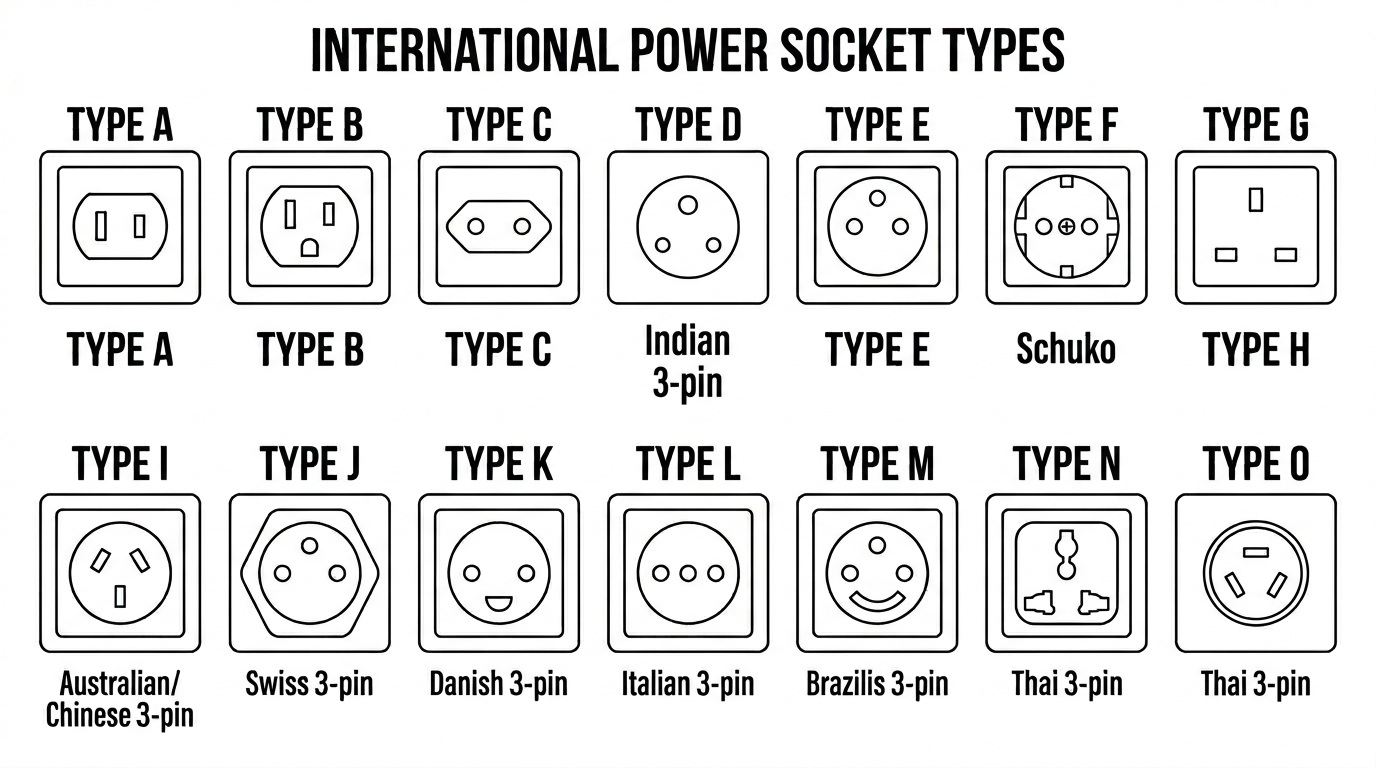
Pistoke
Tyyppi G
Type G; 240V, 50Hz
Katso pistorasiat
Juomaraha
Tipping is not customary or expected in Brunei. Many restaurants and hotels add a service charge (often around 10%), so additional tipping is unnecessary. Rounding up a taxi fare or leaving small change for exceptional service is appreciated but never required.
SIM / Data
Local prepaid SIM cards from providers such as DST (now Unified National Networks/imagine) and Progresif are available at the airport and shops; bring your passport for registration. Coverage is good in Bandar Seri Begawan and along the coast. 4G is widespread and there is growing 5G; eSIMs and regional travel data packages are a convenient alternative.
Viisumi
Many nationalities, including citizens of the US, UK, EU, Canada, Australia, New Zealand, and most ASEAN and Commonwealth countries, can enter visa-free for tourism, with permitted stays ranging from 14 to 90 days depending on nationality. Passports must be valid for at least six months. All arriving travelers must complete the online E-Arrival Card before arrival. Check requirements for your specific passport before traveling.
Ajopuoli
Left
Miten Brunei kierretään?
Julkinen liikenne
Bandar Seri Begawan has a basic public bus network radiating from the central bus terminal, but routes are limited and buses run roughly from early morning to around 6 pm. There is no metro or train system. Most residents drive, so private vehicles dominate. For visitors, walking covers the compact city center, while taxis and ride-hailing fill the gaps. Iconic water taxis (penambang) ferry passengers across to Kampong Ayer, the historic stilt water village.
Kyytipalvelut
- Dart
Kaukoliikenne
Brunei is small, and most travel centers on the capital, Bandar Seri Begawan. Public buses connect BSB with towns like Tutong, Seria, and Kuala Belait, though services are infrequent and stop by early evening. To reach the remote, rainforest-rich Temburong district, travelers now use the Sultan Haji Omar Ali Saifuddien Bridge by road, or take a longboat speedboat from BSB's water-taxi terminal. Renting a car is the most flexible way to explore beyond the capital.
Kulttuuri ja tavat
Tavat
- Use your right hand for eating, giving, and receiving items, as the left hand is considered unclean. When pointing, use your thumb with a closed fist rather than the index finger.
- Remove your shoes before entering homes, mosques, and many shops. Dress modestly everywhere: cover shoulders and knees, and women should carry a scarf to cover the head and arms when entering mosques.
- Brunei is a strict 'dry' country. Alcohol cannot be bought or sold publicly, and public intoxication is illegal. Non-Muslim visitors may import a limited personal amount (declared at customs) to drink discreetly in private.
- During Ramadan, do not eat, drink, or smoke in public during daylight hours. This rule applies to non-Muslims too and is enforced under the Sharia penal code.
- Never publicly criticize the Sultan, the royal family, Islam, or the Sharia penal code; it is illegal. Treat images of the Sultan with respect.
- Greet elders and officials respectfully. When passing money or business cards, offer with the right hand or both hands. Public displays of affection are frowned upon.
Pukukoodi
Conservative and modest dress is expected, reflecting Brunei's devout Islamic culture. Both men and women should keep shoulders and knees covered in public; tight or revealing clothing draws disapproval. Women should pack a headscarf and a long-sleeved layer for visiting mosques, where modest cover is mandatory. Swimwear is for pools and private resort beaches only.
Uskonnollinen käytäytyminen
Brunei is a devoutly Muslim sultanate governed in part by Sharia law, which applies to Muslims and non-Muslims alike. Dress modestly, especially near mosques; remove shoes and, for women, cover the head and arms before entering. Non-Muslims are usually not permitted into the main prayer halls. Avoid eating, drinking, or smoking in public during Ramadan daylight hours. Do not touch or photograph people at prayer, and always show deference to Islamic customs and the call to prayer.
Yleisiä ilmauksia
- Selamat datangWelcome
- Terima kasihThank you
- Apa khabar?How are you?
- MaafSorry / Excuse me
- Berapa harga ini?How much is this?
- Selamat Hari RayaHappy Eid (festive greeting)
Nähtävyydet
Urheilu & vapaa-aika
Football (soccer)
Football is the most popular sport in Brunei, both to watch and play, and the country's club DPMM FC has competed in Singapore's professional league. Sepak takraw (a volleyball-like game played with a rattan ball and the feet) and badminton are widely enjoyed at the grassroots level. Given Brunei's lush rainforest and coastline, outdoor recreation is a big draw: jungle trekking and canopy walks in Ulu Temburong National Park, river safaris to spot proboscis monkeys, and fishing and diving on offshore reefs and wrecks. Polo enjoys royal patronage, reflecting the Sultan's longstanding enthusiasm for the sport.
Kansalliset juhlapäivät
- February 23
National Day (Hari Kebangsaan)
Marks Brunei's full independence from British protection in 1984. Celebrated with a grand parade at the national stadium, mass displays, cultural performances, and patriotic events drawing thousands of participants in the capital.
- July 15
His Majesty the Sultan's Birthday
A nationwide celebration of the Sultan's birthday, beginning with mass prayers and a royal 'titah' (address), followed by an investiture ceremony at Istana Nurul Iman and public gatherings across all four districts, plus illuminations and fireworks.
- End of Ramadan (varies by Islamic lunar calendar)
Hari Raya Aidilfitri (Eid al-Fitr)
The joyous festival ending the Ramadan fast. Families gather, seek forgiveness, and host 'open houses'; the Sultan even opens Istana Nurul Iman to the public. Traditional foods like ketupat and rendang are shared with greetings of 'Selamat Hari Raya'.
- Varies by Islamic lunar calendar
Hari Raya Aidiladha (Eid al-Adha)
The Festival of Sacrifice, observed with communal prayers at mosques, the ritual sacrifice of livestock, and the sharing of meat with family, neighbors, and the needy across the country.
Brunei mielessä?
Kokeile ensin valmista matkaa.
Avaa demomatka ilman rekisteröitymistä: Barcelona yksin tai Rooma, Firenze ja Venetsia porukalla. Suunnittele sitten oma matkasi omalla tavallasi – kohteena Brunei.