
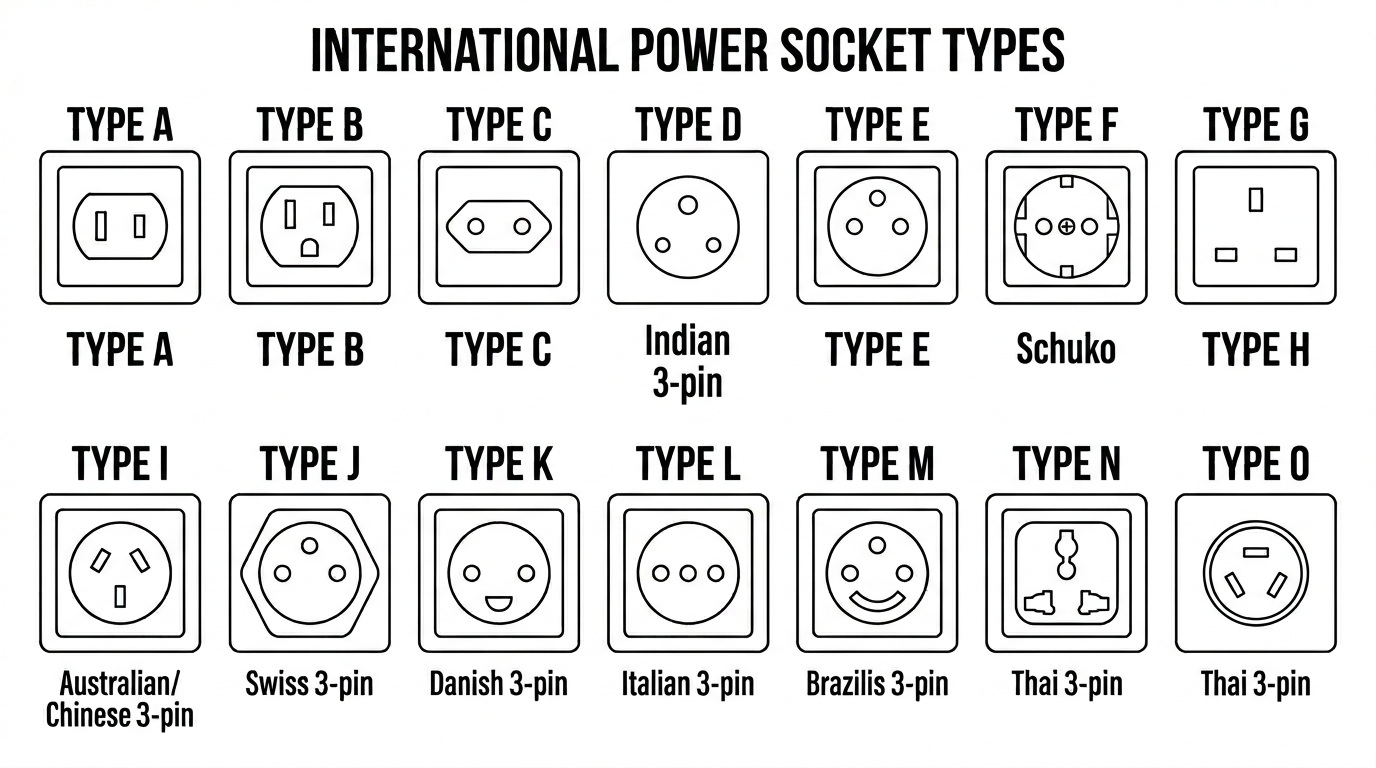
Komorit: valuutta on Comorian franc, pistoketyyppi C ja E ja hätänumero 17. Comoros is generally calm for visitors and violent crime against tourists is rare, but political tensions surface periodically and can spill into the streets, especially in the capital Moroni.
Hätänumerot
Kuinka turvallinen Komorit on?
- Erittäin turvallinen
- Yleisesti turvallinen
- Varovaisuutta noudatettava
- Korkea riski
- Vaarallinen
Comoros is generally calm for visitors and violent crime against tourists is rare, but political tensions surface periodically and can spill into the streets, especially in the capital Moroni. Western governments typically advise a moderate level of increased caution (U.S. Level 2). The bigger practical risks are petty theft, very limited medical infrastructure, occasional civil unrest around elections, and the natural environment: rough seas between islands, an active volcano (Mount Karthala) on Grande Comore, and seasonal cyclone risk. Stay aware, keep a low profile during demonstrations, and you are unlikely to encounter trouble.
Matkatiedotteet (8)
Huijaukset
- Unofficial 'guides' and fixers approach arrivals at Prince Said Ibrahim Airport (Moroni) and at the ferry/boat landings, then demand inflated fees for help you did not request — agree any price clearly and in advance, or decline.
- Taxi and shared-taxi (taxi-brousse) drivers rarely use meters; some quote a tourist price several times the local rate. Confirm the fare before getting in and ask your hotel what a fair price is.
- Currency confusion is common: prices may be quoted in Comorian francs or loosely in euros, and change for euros is given in francs at a poor rate — count change carefully and know the rough KMF/EUR rate (about 492 KMF = 1 EUR, fixed).
- Boat operators for inter-island 'kwassa-kwassa' crossings may overload small craft or overcharge foreigners; use scheduled ferries or reputable operators rather than informal beach boats, especially in rough seas.
Varoitukset
- Political demonstrations, particularly in Moroni, can occur with little warning around elections and have turned violent in the past — avoid all protests, large gatherings and political rallies.
- Medical facilities are very basic across all three islands; serious cases require evacuation to Mayotte, Réunion or Kenya, so comprehensive travel insurance with medical evacuation cover is essential.
- Mount Karthala on Grande Comore is one of the world's most active volcanoes — only climb with a knowledgeable local guide and check current activity advisories first.
- Cyclone season runs roughly November to April, bringing heavy rain, flooding and disrupted sea/air transport; monitor regional weather warnings during this period.
Käytännön tietoa
Valuutta
Comorian franc (KMF)
Pistoke
Tyyppi C ja E
Types C and E, 220V, 50Hz
Katso pistorasiat
Juomaraha
Tipping is not deeply ingrained and is never obligatory, but it is appreciated for good service. Rounding up the bill or leaving roughly 5-10% in restaurants that don't add a service charge is generous; a small tip for guides, drivers and porters (a few hundred francs) is welcome. Carry small denominations as change can be scarce.
SIM / Data
The two main mobile operators are Comores Telecom (Huri) and Telma Comores. Buy a local prepaid SIM and a data bundle on arrival at the airport or an operator shop in Moroni — you will usually need your passport to register. Coverage is decent in Moroni and main towns but patchy in rural areas and inter-island; speeds are modest. International roaming is expensive, so a local SIM is the practical choice for data.
Viisumi
Most nationalities, including U.S., UK, EU, Australian and Canadian travelers, can obtain a visa on arrival at Prince Said Ibrahim International Airport (Moroni) or the seaports. The tourist visa typically costs around 30-50 euros, must be paid in euros or U.S. dollars in cash, and is generally valid for up to 45 days. You will need a passport valid for at least six months, proof of onward travel and an accommodation address. Always confirm current requirements with a Comorian embassy before traveling.
Ajopuoli
Right
Miten Komorit kierretään?
Julkinen liikenne
There is no formal public transport network and no railways. Towns and islands are linked by shared taxis and minibuses (taxi-brousse), which depart when full and are cheap but crowded and informal. In Moroni, shared and private taxis are the main way to get around; agree the fare before you travel. Roads are narrow and often in poor condition, so journeys take longer than distances suggest.
Kyytipalvelut
- No international ride-hailing apps (Uber, Bolt, etc.) operate in Comorosarrange taxis through your hotel or hail shared/private taxis locally
Kaukoliikenne
The three main islands — Grande Comore (Ngazidja), Anjouan (Nzwani) and Mohéli (Mwali) — are connected by inter-island flights on small aircraft (e.g. AB Aviation, R-Komor) and by sea. Sea options range from scheduled ferries to small open boats locally called 'kwassa-kwassa'; the small boats can be dangerously overloaded in rough seas, so prefer larger scheduled vessels. Renting a car with a driver is the most comfortable way to explore a single island.
Kulttuuri ja tavat
Tavat
- Comoros is a deeply conservative, almost entirely Sunni Muslim society — modest dress and respectful behaviour are expected everywhere, and public displays of affection are frowned upon.
- The 'Grand Mariage' (Anda na Mila, or in Comorian 'harusi'), an elaborate and expensive traditional wedding, is the cornerstone of social status, especially on Grande Comore; being invited to one is a great honour and a vivid window into Comorian culture.
- Greetings matter: take time to exchange salutations before getting to business, use your right hand for giving, receiving and eating, and shake hands warmly (men with men, women with women — wait for a woman to extend her hand first).
- During Ramadan, eating, drinking or smoking in public during daylight hours is offensive; many restaurants close in the daytime, so plan meals accordingly and be discreet.
- Remove your shoes before entering homes and mosques, and dress especially modestly near religious sites; non-Muslims are often not permitted inside mosques, so always ask before entering or photographing one.
- Always ask permission before photographing people, particularly women, and avoid photographing government buildings, ports, the airport and military or police personnel.
Pukukoodi
Conservative and modest for both men and women. Women should keep shoulders, chest and knees covered and carry a scarf; on beaches outside private resorts, swim in a T-shirt and shorts rather than a bikini, as locals often bathe fully clothed. Men should avoid going shirtless away from the beach and wear long trousers in towns and villages. Lightweight, breathable fabrics suit the hot, humid tropical climate.
Uskonnollinen käytäytyminen
Islam is the state religion and shapes daily life; the call to prayer punctuates the day and Friday is the main day of worship. Dress modestly near mosques, remove shoes before entering, and do not enter unless invited (many mosques are closed to non-Muslims). Never interrupt people during prayer, avoid offering or consuming alcohol or pork in front of others, use your right hand, and show extra sensitivity during Ramadan and Islamic holidays. Alcohol is legal but very discreet and largely confined to tourist hotels.
Yleisiä ilmauksia
- Bariza / SalamaHello / Peace (greeting)
- Jeje? / Habari?How are you? / How is it going?
- MarahabaThank you
- EwaYes
- AhaNo
- KwaheriGoodbye
Nähtävyydet
Urheilu & vapaa-aika
Football (soccer)
Football is by far the most popular sport, played informally on beaches, dusty pitches and in villages across all three islands; the national team, the Coelacanths (nicknamed after the famous 'living fossil' fish found in Comorian waters), captured national pride with its debut at the Africa Cup of Nations in 2022. Beyond football, the islands' real recreation is the sea — snorkelling and scuba diving over coral reefs, whale and dolphin watching (humpbacks pass between roughly July and October), sea turtle watching on Mohéli, and hiking, including the demanding trek up the active Mount Karthala volcano on Grande Comore.
Kansalliset juhlapäivät
- July 6
Independence Day (National Day)
Comoros' biggest secular holiday, marking independence from France in 1975. Celebrated nationwide with a presidential address, parades, traditional music and dance, and communal feasting.
- Varies (Islamic calendar; around mid-September 2026)
Maulid (Mawlid an-Nabi)
The birthday of the Prophet Muhammad, observed with special prayers, processions, recitations and community meals — one of the most heartfelt religious celebrations in this devoutly Muslim nation.
- Varies (end of Ramadan; around late March 2026)
Eid al-Fitr
The festival marking the end of the Ramadan fasting month, celebrated with morning prayers, new clothes, visits to family and large shared meals; a joyful and important time across the islands.
- Varies (Islamic calendar; around early June 2026)
Eid al-Adha (Tabaski)
The 'Festival of Sacrifice', honouring Ibrahim's willingness to sacrifice his son, marked by communal prayers, the ritual slaughter of livestock and the sharing of meat with family and the needy.
Komorit mielessä?
Kokeile ensin valmista matkaa.
Avaa demomatka ilman rekisteröitymistä: Barcelona yksin tai Rooma, Firenze ja Venetsia porukalla. Suunnittele sitten oma matkasi omalla tavallasi – kohteena Komorit.