
아프가니스탄의 통화는 Afghan afghani, 플러그는 C 및 F 타입, 긴급 전화는 119입니다. Afghanistan is one of the most dangerous countries in the world for travelers and is under Taliban control.
긴급 전화번호
아프가니스탄의 치안은?
- 매우 안전
- 대체로 안전
- 주의 필요
- 높은 위험
- 위험
Afghanistan is one of the most dangerous countries in the world for travelers and is under Taliban control. Nearly all Western governments (including the US, UK, Canada, and Australia) advise against ALL travel. There is an extremely high and persistent threat of terrorism, kidnapping for ransom, armed conflict, landmines and unexploded ordnance, and arbitrary detention. Foreigners, including aid workers and journalists, have been kidnapped and killed. Most countries have no diplomatic presence, so consular help is severely limited or non-existent; some governments cannot evacuate or assist citizens. Medical facilities are very poor. Anyone who travels does so at grave personal risk.
여행 권고 (9)
사기 주의
- Fake or unofficial checkpoints set up by armed groups to extort money or kidnap travelers; it can be impossible to tell legitimate security forces from impostors.
- Inflated 'fixer', guide, and driver fees, with some local contacts demanding far more than agreed or abandoning travelers in unsafe areas mid-journey.
- Currency and money-changing fraud, including counterfeit afghani notes and rigged exchange rates at informal money bazaars; count cash carefully and use trusted changers.
- Fraudulent visa, permit, and 'protection' offers from individuals claiming official connections, demanding upfront payment for documents or safe passage that never materialize.
경고
- High and ongoing threat of terrorist attacks, including by ISIS-K, targeting public places, mosques, minorities, and gatherings.
- Severe risk of kidnapping for ransom and of arbitrary arrest or detention by the de facto authorities, including of foreign nationals and dual nationals.
- Active risk from landmines and unexploded ordnance, particularly off paved roads and in rural or former conflict areas.
- Very limited or no consular assistance; many embassies are closed and governments may be unable to evacuate or help citizens in an emergency.
- Strict enforcement of Taliban interpretations of Sharia law, with severe restrictions especially on women's movement, dress, work, and travel without a male guardian (mahram).
실용 정보
통화
Afghan afghani (AFN)
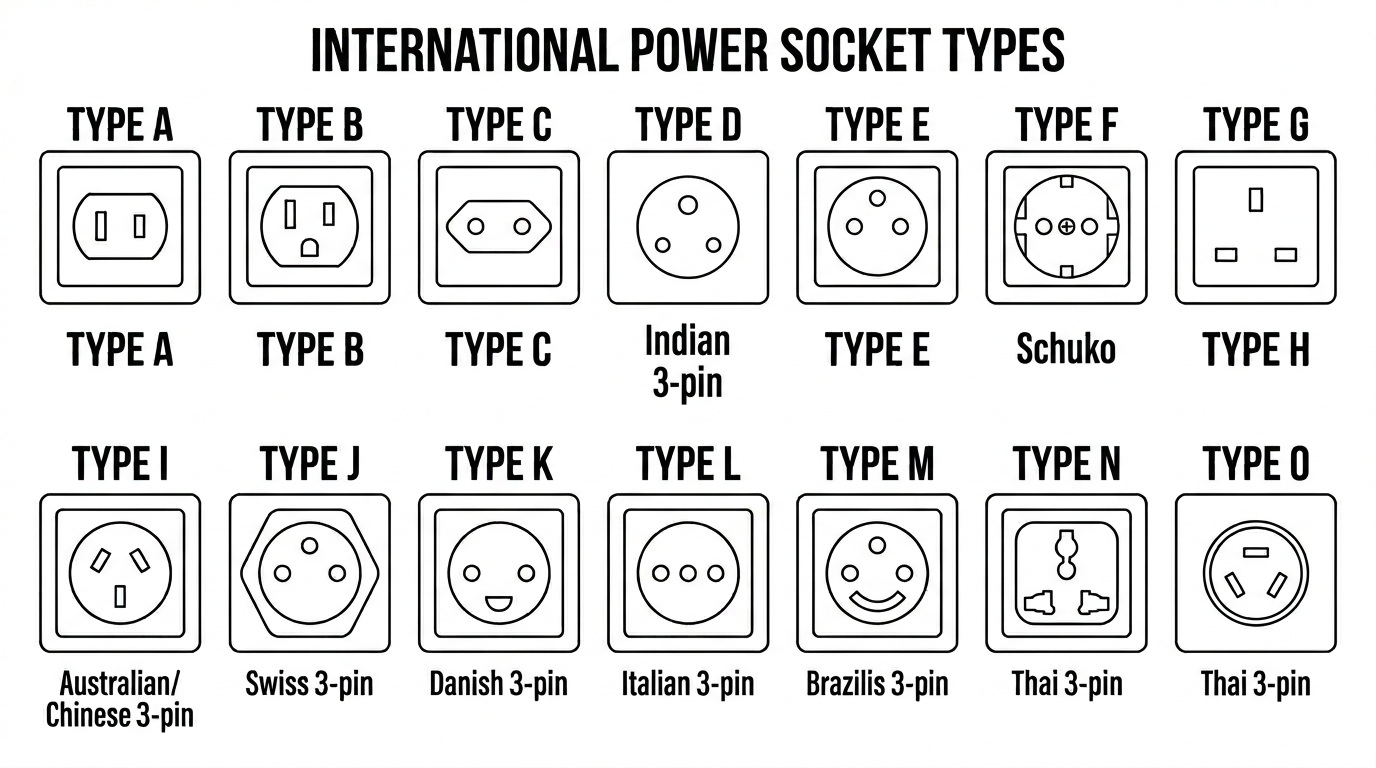
전원 플러그
C 및 F 타입
Plug types C and F (and some D); voltage 220V, 50Hz
콘센트 보기
팁
Tipping (baksheesh) is customary but modest. Rounding up a taxi fare, leaving small change at restaurants, or giving a small amount to porters and helpful service staff is appreciated, though not rigidly expected. Generosity should be discreet.
SIM / 데이터
Local SIM cards (from operators such as Roshan, MTN/AWCC, Etisalat, and Salaam) are inexpensive but registration requires identification and may be difficult for foreigners; coverage is good in cities but patchy and unreliable in rural areas. Mobile data is the main way to get online; expect slow speeds and frequent outages. Internet and phone networks can be monitored or disrupted.
비자
Most foreign nationals require a visa to enter Afghanistan, obtained in advance from an Afghan embassy or consulate; there is generally no tourist visa-on-arrival. A passport valid for at least six months is required. Entry and visa procedures are unpredictable under the Taliban administration, which is not internationally recognized, and rules can change without notice. Most Western governments advise against all travel and have no embassy presence to assist with visas or emergencies. Always verify current requirements through official channels before any travel.
주행 방향
Right
아프가니스탄에서는 어떻게 이동하나요?
대중교통
Urban public transport is limited and basic. Cities rely on minibuses, shared taxis, and (in Kabul) some bus services, plus three-wheeled rickshaws in smaller towns. There is no metro or modern mass-transit system. Most foreigners who travel do so with a trusted local driver or fixer rather than using public transport.
차량 호출
- No reliable international ride-hailing apps (Uber, Bolt, etc.) operate; local app coverage is minimal
- Pre-arranged private drivers or hotel-arranged cars are the norm
- Street and shared taxisnegotiate fare in advance
도시 간 이동
Intercity travel is by road on a network of often poor, sometimes dangerous highways (such as the Kabul-Kandahar and Kabul-Mazar routes), served by shared taxis, minibuses, and long-distance coaches; journeys are long and pass through numerous checkpoints. Domestic flights connect Kabul with Herat, Mazar-i-Sharif, Kandahar, and other cities via carriers such as Ariana Afghan Airlines and Kam Air, but schedules are unreliable. There is essentially no passenger rail network for travelers. Road travel after dark is strongly discouraged.
문화와 관습
관습
- Greetings are warm and unhurried. Men greet other men with a handshake, often using the right hand or both hands, sometimes followed by placing the right hand over the heart. Expect to be asked at length about your health and family before any business; rushing this is considered rude.
- Hospitality is a sacred duty. Guests are treated with extraordinary generosity, often offered tea (chai) repeatedly, and refusing food or drink outright can offend. It is polite to accept at least a little and to praise the host.
- The right hand is used for eating, greeting, and passing objects. The left hand is considered unclean. Meals are frequently eaten from communal dishes while seated on floor cushions (toshak) around a cloth (dastarkhan) spread on the ground.
- Gender segregation is strong and, under Taliban rule, enforced. Men should not initiate handshakes with or stare at women. Foreign women are expected to avoid contact with unrelated men. Public mixing of unrelated men and women is restricted.
- Remove your shoes before entering homes and mosques. Showing the soles of your feet, or pointing them at someone, is offensive. Modesty in dress and behavior is expected everywhere, including covering the head for women.
- Photographing people, especially women, military or government sites, and checkpoints is highly sensitive and can be dangerous. Always ask permission before photographing individuals, and never photograph officials or installations.
복장 규정
Conservative dress is mandatory. Men should wear long trousers and shirts that cover the arms; the traditional perahan tunban (long tunic and loose trousers) is common and well regarded. Women must dress very modestly, covering arms, legs, and hair; under Taliban rule a head covering is required and full-body covering (often including a face covering) is expected in public. Tight, revealing, or short clothing is unacceptable for anyone.
종교 예절
Afghanistan is an overwhelmingly Muslim country and Islam governs daily and public life; under Taliban rule Sharia is strictly enforced. Dress and behave modestly at all times. During Ramadan, do not eat, drink, or smoke in public during daylight hours. Remove shoes and, for women, cover the head before entering a mosque; non-Muslims may be barred from some religious sites. Never disrespect the Quran or Islamic symbols. Alcohol is illegal. Friday is the holy day and the main prayer day.
자주 쓰는 표현
- Salaam alaikumPeace be upon you (standard greeting)
- TashakorThank you
- Chetor asti?How are you? (Dari)
- LotfanPlease
- Bale / NaYes / No (Dari)
- Khoda hafezGoodbye (literally, may God protect you)
하이라이트
스포츠 & 레크리에이션
Cricket
Cricket has become Afghanistan's most popular and successful sport; the national team has risen rapidly on the world stage, qualifying for ICC World Cups and producing internationally recognized players, and matches draw passionate crowds and national pride. Football (soccer) is also widely played and followed. The traditional national sport is buzkashi, a fierce mounted game in which horsemen compete to drag a goat or calf carcass to a goal, especially popular in the northern plains and a powerful symbol of Afghan culture. Wrestling (pahlawani) and kite flying are also beloved pastimes.
국가 공휴일
- Varies (1st of Shawwal, Islamic lunar calendar)
Eid al-Fitr
Festival marking the end of Ramadan, the holy month of fasting. One of the most important holidays, celebrated with prayers, family gatherings, feasting, new clothes, and visiting relatives.
- Varies (10th of Dhu al-Hijjah, Islamic lunar calendar)
Eid al-Adha (Eid-e Qurban)
The Feast of Sacrifice commemorating Ibrahim's willingness to sacrifice his son; families who can afford it sacrifice an animal and share the meat with relatives and the poor.
- Around 21 March (spring equinox)
Nowruz (Persian New Year)
The traditional Persian/Afghan New Year and arrival of spring, historically celebrated with feasting, the haft mewa fruit compote, and large gatherings (notably in Mazar-i-Sharif). Note: its public celebration has been discouraged or restricted under Taliban rule.
- 12th of Rabi al-Awwal (Islamic lunar calendar)
Mawlid (Eid-e Milad-un-Nabi)
Observance of the birth of the Prophet Muhammad, marked with prayers, recitations, and religious gatherings.
아프가니스탄 여행을 계획 중이세요?
먼저 준비된 여행을 체험해 보세요.
가입 없이 데모 여행을 열어 보세요. 혼자 떠나는 바르셀로나, 또는 그룹으로 떠나는 로마, 피렌체, 베네치아. 그다음 아프가니스탄 여행을 내 방식대로 계획하세요.