
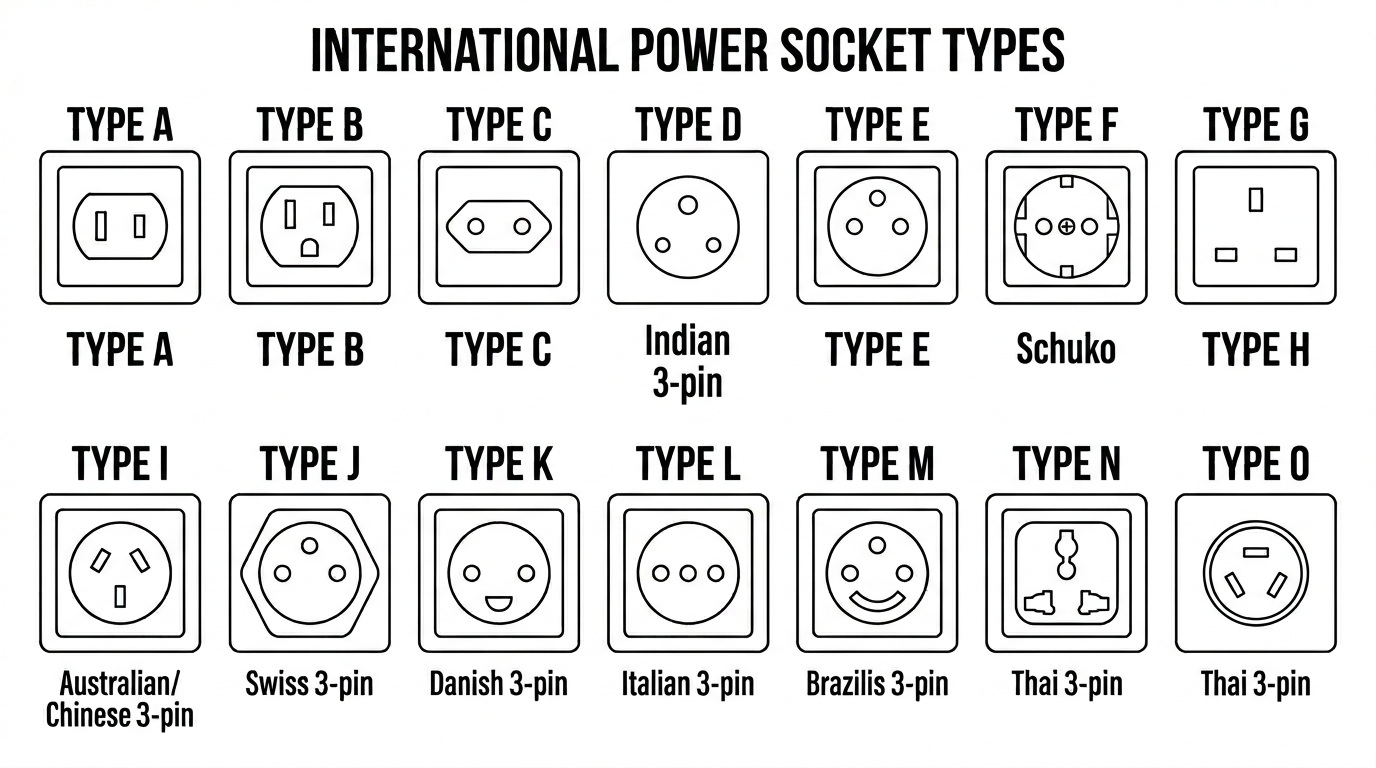
I Djibouti betalar man med Djiboutian Franc, eluttagen är av typ C och E och nödnumret är 112. Djibouti is generally calmer than its conflict-torn neighbors, and the capital sees little serious violence against tourists, but most governments place it at an 'exercise increased caution' to 'reconsider travel' tier.
Nödnummer
Hur säkert är Djibouti?
- Mycket säkert
- Generellt säkert
- Var försiktig
- Hög risk
- Farligt
Djibouti is generally calmer than its conflict-torn neighbors, and the capital sees little serious violence against tourists, but most governments place it at an 'exercise increased caution' to 'reconsider travel' tier. Terrorism is the principal concern; a 2014 attack on a popular restaurant underscored the risk to venues frequented by Westerners. The real dangers are concentrated at the borders rather than in the city. Petty crime, scams targeting foreigners, and extreme heat are the everyday hazards most visitors actually encounter.
Reseaviseringar (8)
Bedrägerier
- Taxi drivers at the airport and around Place Menelik routinely quote inflated fares to foreigners; agree the price before getting in, as meters are rarely used.
- Khat (qat) sellers and street touts may overcharge dramatically or use the transaction to size up a tourist's cash; only carry what you need.
- Unofficial 'guides' near the port, the central market, or Lake Assal offer to arrange tours or 4x4 trips, then demand far more than agreed or deliver a no-show vehicle. Book through a registered agency or your hotel.
- Money-changers and some vendors refuse or short-change with worn notes; banknotes printed before 2006 are often rejected outright, so insist on clean, post-2006 bills.
Varningar
- The border zones with Eritrea (north) and Somalia (southeast) carry the highest advisories due to unresolved territorial disputes, landmines, and cross-border militant activity; avoid them entirely.
- Terrorism risk: militant groups based in the region have the intent and capability to target hotels, restaurants, and places where foreigners gather.
- Avoid political rallies, demonstrations, and large public gatherings, which can turn violent with little warning, especially around election periods.
- Landmines and unexploded ordnance remain in some remote border and former conflict areas; stay on established roads and do not stray off-track.
Praktisk info
Valuta
Djiboutian Franc (DJF)
Eluttag
Typ C och E
Types C and E, 220V, 50Hz
Se eluttagen
Dricks
Tipping is appreciated but not heavily expected. In tourist-oriented restaurants a 5-10% tip is generous; round up taxi fares; and tipping guides, drivers, and hotel staff a small amount for good service is customary. It is a largely cash culture, so keep small franc notes for this.
SIM / Data
Djibouti Telecom is the sole, state-owned operator, so there is no price competition. Buy a local prepaid SIM (passport required for registration) at the airport or a Djibouti Telecom shop in the capital for cheaper data than roaming; coverage is good in Djibouti City but thin in the desert interior. Wi-Fi exists in better hotels but can be slow.
Visum
Most visitors need a visa. Djibouti runs an official eVisa (apply online before travel via the government portal) for tourism, business, and transit; visa-on-arrival is increasingly restricted and mainly for service/official/diplomatic passport holders, so secure an eVisa in advance. Passports should be valid at least six months beyond entry. A yellow fever vaccination certificate may be required if arriving from an endemic country. Confirm current rules with an official Djiboutian source before booking.
Körfält
Right
Hur tar man sig runt i Djibouti?
Kollektivtrafik
Djibouti City is served by green-and-white shared minibuses that ply fixed routes for a few francs but show no English signage and can be confusing for newcomers. There is no metro or formal bus network beyond this. Most visitors rely on taxis, which are plentiful in the capital.
Taxitjänster
- No widely established international ride-hailing apptaxis are hailed on the street or arranged via your hotel
Intercity
Distances are short and the road network limited. Shared minibuses and bush taxis link Djibouti City to towns like Ali Sabieh, Dikhil, Tadjoura, and Obock, but they are crowded and run to no fixed schedule. The most rewarding way to see the dramatic interior, Lake Assal, Lake Abbe, and the Goda Mountains, is a hired 4x4 with a driver-guide. A modern Chinese-built railway connects Djibouti City to Addis Ababa in Ethiopia for cross-border travel.
Kultur och seder
Seder
- Djibouti is a Muslim-majority country; dress modestly, greet elders first, and use the right hand for eating, giving, and receiving, as the left is considered unclean.
- Chewing khat (qat), a mildly stimulant leaf, is a deeply ingrained daily ritual; the city slows in the early afternoon as men gather to chew, and it is polite to be patient with the resulting pace of business.
- Hospitality is generous: refusing an offered tea or coffee outright can cause offense, so accept at least a little even if you cannot stay.
- Photographing people, government buildings, the port, and military installations is sensitive; always ask permission before photographing individuals, and never point a camera at official or military sites.
- French and Arabic are the languages of officialdom and business, but a warm greeting in Somali or Afar is genuinely appreciated and breaks the ice quickly.
- During Ramadan, eating, drinking, or smoking in public during daylight hours is frowned upon and best avoided out of respect.
Klädkod
Modest, lightweight clothing suited to intense heat. Men wear light shirts and long trousers; women should cover shoulders and knees, and a scarf is useful for visiting mosques or more conservative areas. Beachwear is fine at resorts and dive boats but not in town. Loose natural fabrics in light colors are the practical local norm.
Religiös etikett
Islam is the state religion and shapes daily life. Remove your shoes and dress modestly when entering a mosque, and non-Muslims should not enter during prayer times unless invited. The Friday midday prayer is the most important of the week, when many businesses pause. Avoid alcohol in public and respect the daytime fast during Ramadan. Women travelers should carry a headscarf for mosque visits and conservative settings.
Vanliga uttryck
- BonjourHello / good day (French, widely understood)
- As-salaam alaikumPeace be upon you (standard Arabic/Muslim greeting)
- Iska warranHow are you? / what's the news? (Somali)
- MahadsanidThank you (Somali)
- Merci / ShukranThank you (French / Arabic)
- Bisinta?How much is it? (Somali, useful when bargaining)
Höjdpunkter
Sport & fritid
Football (soccer)
Football is the national passion, played on dusty pitches across the country and followed avidly, with European leagues drawing crowds to cafes. Djibouti's strongest international showing, though, is in long-distance running, in line with the broader Horn of Africa tradition; runner Ahmed Salah won the country's only Olympic medal (marathon bronze, 1988) and remains a national hero. Beyond organized sport, the Gulf of Tadjoura is a world-class playground for diving, snorkeling, and seasonal whale shark watching.
Nationella högtider
- June 27
Independence Day
The country's biggest secular celebration, marking independence from France in 1977, with military parades, flag-waving crowds, music, and festivities centered on Djibouti City.
- Varies (lunar calendar)
Eid al-Fitr
The joyful feast marking the end of Ramadan, celebrated with communal prayers, family gatherings, new clothes, and shared meals; one of the most important days of the Muslim year.
- Varies (lunar calendar)
Eid al-Adha
The Feast of Sacrifice, a major Islamic holiday honoring Abraham's faith, marked by prayers, the ritual sharing of meat, and generosity toward family and the poor.
- Varies (lunar calendar)
Mawlid al-Nabi
Celebration of the Prophet Muhammad's birthday, observed with prayers, readings, and gatherings; a public holiday reflecting the country's strong Islamic identity.
Ska du till Djibouti?
Prova en färdig resa först.
Öppna demoresan utan att registrera dig: Barcelona på egen hand, eller Rom, Florens och Venedig i grupp. Planera sedan Djibouti på ditt eget sätt.