
Reseguide till Mongoliet. Viktig reseinformation — nödnummer, säkerhet, valuta, visum, seder och att ta sig runt.
Nödnummer
Hur säkert är Mongoliet?
- Mycket säkert
- Generellt säkert
- Var försiktig
- Hög risk
- Farligt
Mongolia is a generally safe destination for travelers, with violent crime against foreigners uncommon and a welcoming culture. The main concerns are petty crime (pickpocketing and theft) in central Ulaanbaatar, alcohol-related incidents, and the very real environmental challenges of travel in a vast, sparsely populated country. Road safety is a serious issue: roads are often poor, unpaved, or unmarked outside cities, and accidents are a leading risk. Severe winter cold, summer storms, and long distances between services mean self-driving and remote trekking require careful preparation. Ulaanbaatar's winter air pollution is among the worst in the world and can affect those with respiratory conditions.
Reseaviseringar (8)
Bedrägerier
- Pickpocketing and bag-snatching are common in crowded areas of Ulaanbaatar, especially at the Naran Tuul (Black) Market, the State Department Store area, Sukhbaatar Square, and on packed public buses; keep valuables zipped and out of sight.
- Unofficial or unmetered taxis can overcharge tourists; many ordinary cars act as informal taxis, so agree on the fare in advance or, better, use ride-hailing apps that show the price.
- Be cautious of overly friendly strangers who invite you for drinks, as there have been reports of spiked-drink scams ending in robbery; never leave your drink unattended in bars or clubs.
- ATM-skimming and card fraud occur; use machines inside banks or hotels, shield your PIN, and watch for distraction scams where a 'helpful' bystander tries to assist with the machine.
Varningar
- Roads outside Ulaanbaatar are frequently unpaved, poorly marked, and hazardous; long-distance overland travel should use experienced drivers, reliable 4x4 vehicles, and adequate supplies of food, water, and fuel.
- Winters are extreme, with temperatures dropping below -30C and the risk of dzud (severe winter conditions); travel in remote regions during winter can be life-threatening without proper gear and planning.
- Ulaanbaatar suffers from severe air pollution in the winter heating season (roughly November to March), which can pose health risks for people with respiratory or heart conditions.
- Medical facilities outside the capital are very limited; comprehensive travel insurance covering medical evacuation is strongly recommended for trips into the countryside.
Praktisk info
Valuta
Mongolian togrog (tugrik) (MNT)
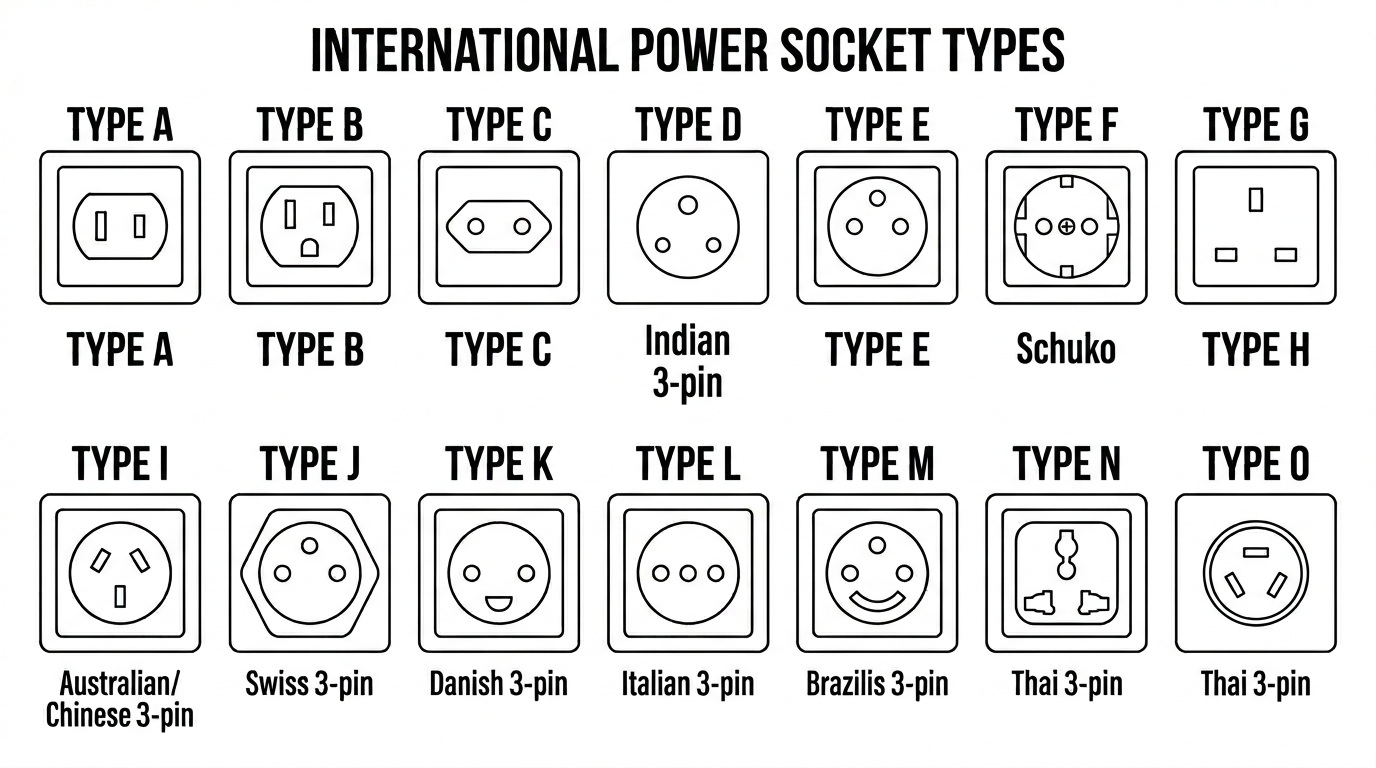
Eluttag
Typ C, E och F
Types C and E (and you may encounter Type F); 220V, 50Hz.
Se eluttagen
Dricks
Tipping is not a deeply ingrained tradition but is increasingly common and appreciated in Ulaanbaatar's restaurants, hotels, and the tourism sector. A 10 percent tip in nicer restaurants, rounding up taxi fares, and tipping tour guides and drivers a few dollars per day are all welcome. In the countryside, gifts for host families are more meaningful than cash tips.
SIM / Data
Buy a local prepaid SIM on arrival from major operators Mobicom, Unitel, G-Mobile, or Skytel; airport and city kiosks sell tourist data packages cheaply and you'll need your passport to register. Coverage is good in Ulaanbaatar and provincial towns (aimag centers) but drops off sharply in the vast countryside and remote steppe, so do not rely on a signal between settlements. Consider downloading offline maps before heading into rural areas.
Visum
Visa policy varies by nationality and has been liberalized in recent years. Citizens of many countries, including the US, Canada, the EU/Schengen states, the UK, Japan, and others, can enter visa-free for stays of up to 30 days (check current limits, as some allow longer). Travelers who do need a visa can apply at a Mongolian embassy or use the eVisa system. Passports should be valid for at least six months beyond your stay, and you should register with immigration if staying longer than 30 days. Always confirm the latest rules before travel as policies change.
Körfält
Right
Hur tar man sig runt i Mongoliet?
Kollektivtrafik
Ulaanbaatar has an extensive network of public buses and trolleybuses that use a rechargeable U-Money (U-Mart) smart card for fares; buses are cheap but often very crowded during rush hour. There is no metro or tram system. Traffic congestion in the capital is heavy, and an even-odd license-plate restriction sometimes limits which cars can enter the center on certain days.
Taxitjänster
- UBCab
- Heseg
- Tapsitaxi apps vary; many use phone-dispatch taxi services
Intercity
Mongolia's huge distances and limited paved roads make domestic flights the fastest way to reach far provinces; carriers such as Aero Mongolia, Hunnu Air, and MIAT serve regional airports, though schedules can be weather-dependent. The Trans-Mongolian Railway links Ulaanbaatar with the Russian border to the north and the Chinese border to the south, and is a scenic option. Long-distance shared minivans and buses connect aimag (provincial) centers, but journeys are long and bumpy. For exploring the Gobi, steppe, and remote sights, most visitors hire a 4x4 with a driver or join an organized tour, as renting and self-driving across trackless terrain is challenging.
Kultur och seder
Seder
- Greet elders first and use both hands (or your right hand supported by the left) when giving or receiving objects, cups, or money; never hand things over with the left hand alone.
- When entering a ger (the traditional felt tent), step over the threshold without touching it, move clockwise inside, and never point your feet at the altar, the central stove, or other people.
- Accept offered food, snuff, or airag (fermented mare's milk) with your right hand and at least take a token sip or taste; refusing outright is considered rude.
- Do not whistle indoors inside a ger, do not lean against the support columns, and avoid stepping on or over the doorsill, which is believed to bring bad luck.
- If you accidentally touch someone with your foot or kick them, immediately shake their hand as an apology; touching another person's hat is also frowned upon.
- Hospitality is sacred in the countryside: nomadic families will welcome strangers with tea and food, and it is polite to bring a small gift and not arrive empty-handed.
Klädkod
Dress is generally casual and practical, but Mongolia's climate demands layers year-round and serious warmth in winter, when temperatures plunge well below -20C. Modest, conservative clothing is appreciated, especially when visiting monasteries and temples, where shoulders and knees should be covered and hats removed indoors. In Ulaanbaatar dress is increasingly modern and Western; in the countryside, sturdy footwear and windproof outer layers matter most.
Religiös etikett
Mongolia is predominantly Tibetan (Vajrayana) Buddhist, with a strong undercurrent of shamanism and a Muslim Kazakh minority in the west. When visiting monasteries such as Gandantegchinlen in Ulaanbaatar, walk clockwise around temples, stupas, and prayer wheels, remove your hat, speak quietly, and ask before photographing monks or rituals. Do not touch religious objects, statues, or offerings, and dress modestly. Treat ovoos (sacred stone cairns found on hills and mountain passes) with respect: walk around them clockwise three times and add a stone if you wish.
Vanliga uttryck
- Sain bain uu?Hello / How are you? (standard greeting)
- BayarlalaaThank you
- TiimYes
- UguiNo
- UuchlaaraiSorry / Excuse me
- Ene yamar une ve?How much is this?
Höjdpunkter
Sport & fritid
Wrestling (Mongolian bokh), part of the 'Three Manly Games' alongside horse racing and archery
Sport in Mongolia is deeply tied to nomadic heritage and centers on the 'Three Manly Games' (eriin gurvan naadam): wrestling, horse racing, and archery, all showcased at the national Naadam Festival. Mongolian wrestlers are national heroes, and the country has produced champions in international sumo, judo, boxing, and freestyle wrestling, including Olympic medalists. Horse culture is central to national identity, with children racing horses over long distances during Naadam. Basketball and football are popular among urban youth, and the harsh winters make ice and indoor sports common in the capital.
Nationella högtider
- July 11-13 (annually)
Naadam Festival
Mongolia's most important national holiday and a UNESCO-recognized celebration, featuring the 'Three Manly Games' of wrestling, horse racing, and archery. The main festivities take place at the National Sports Stadium in Ulaanbaatar with a spectacular opening ceremony, while smaller Naadams are held across the country.
- Late January to February (lunar calendar; date varies)
Tsagaan Sar (Lunar New Year / White Moon)
The most cherished family festival, marking the end of winter and the start of the lunar new year. Families gather to honor elders, exchange gifts, and feast on dumplings (buuz), stacked sheep's tail, and dairy delicacies, dressed in traditional deel robes.
- Early October (annually)
Golden Eagle Festival
Held in the western Bayan-Olgii province, this festival celebrates the Kazakh tradition of hunting with trained golden eagles. Eagle hunters on horseback compete in displays of skill, speed, and the bond between hunter and bird, set against the dramatic Altai Mountains.
- Varies (summer, often July-August)
Yak Festival / Camel Festival
Regional nomadic celebrations such as the Yak Festival near Kharkhorin and the Thousand Camel Festival in the Gobi showcase livestock-based culture with races, polo, parades, and traditional music, offering an authentic glimpse of herding life.
Ska du till Mongoliet?
Prova en färdig resa först.
Öppna demoresan utan att registrera dig: Barcelona på egen hand, eller Rom, Florens och Venedig i grupp. Planera sedan Mongoliet på ditt eget sätt.