
Reseguide till Nicaragua. Viktig reseinformation — nödnummer, säkerhet, valuta, visum, seder och att ta sig runt.
Nödnummer
Hur säkert är Nicaragua?
- Mycket säkert
- Generellt säkert
- Var försiktig
- Hög risk
- Farligt
Nicaragua has relatively low rates of violent crime compared with some Central American neighbors, but petty crime (theft, pickpocketing, bag-snatching) is common in cities and tourist areas, and the political situation remains a significant concern. Following disputed events since 2018, the government has restricted civil liberties, and there are risks of arbitrary detention, denial of entry or exit, and limited consular access for foreigners. Most tourist visits to areas like Granada, León, San Juan del Sur, and Ometepe pass without incident, but travelers should stay informed, avoid all political activity and demonstrations, and exercise increased caution.
Reseaviseringar (8)
Bedrägerier
- Unofficial taxis and overcharging: always use radio taxis or those arranged by your hotel, agree on the fare before departure, and avoid sharing taxis with strangers at night, as express kidnappings and robberies have occurred in shared cabs in Managua.
- ATM and card skimming: use ATMs inside banks, shopping malls, or hotels during the day rather than standalone street machines, and watch for tampered card slots or onlookers.
- Fake tour operators and 'volunteer' or guide scams: book tours, transport, and guides through reputable, established agencies; be wary of strangers offering unusually cheap excursions or border-crossing 'help'.
- Distraction and street theft: pickpocketing and bag-snatching happen in crowded markets, bus terminals (especially Managua's Mercado Roberto Huembes and Mercado Oriental), and on busy buses; keep valuables hidden and bags in front of you.
Varningar
- Avoid all political demonstrations and gatherings; participating in or even observing protests can lead to arrest, detention, or expulsion. Public criticism of the government, including on social media, can carry serious risk.
- Authorities have arbitrarily detained, denied entry to, or barred exit of some travelers and dual nationals; consular assistance can be limited or denied. Carry ID at all times and keep copies of documents.
- Medical facilities are limited, especially outside Managua and on the Caribbean coast; comprehensive travel and medical insurance with evacuation coverage is strongly recommended.
- Hurricane season (June to November) can bring flooding and landslides, particularly on the Caribbean side; Nicaragua also has active volcanoes and is in a seismically active zone, so monitor local alerts.
Praktisk info
Valuta
Nicaraguan córdoba (NIO)
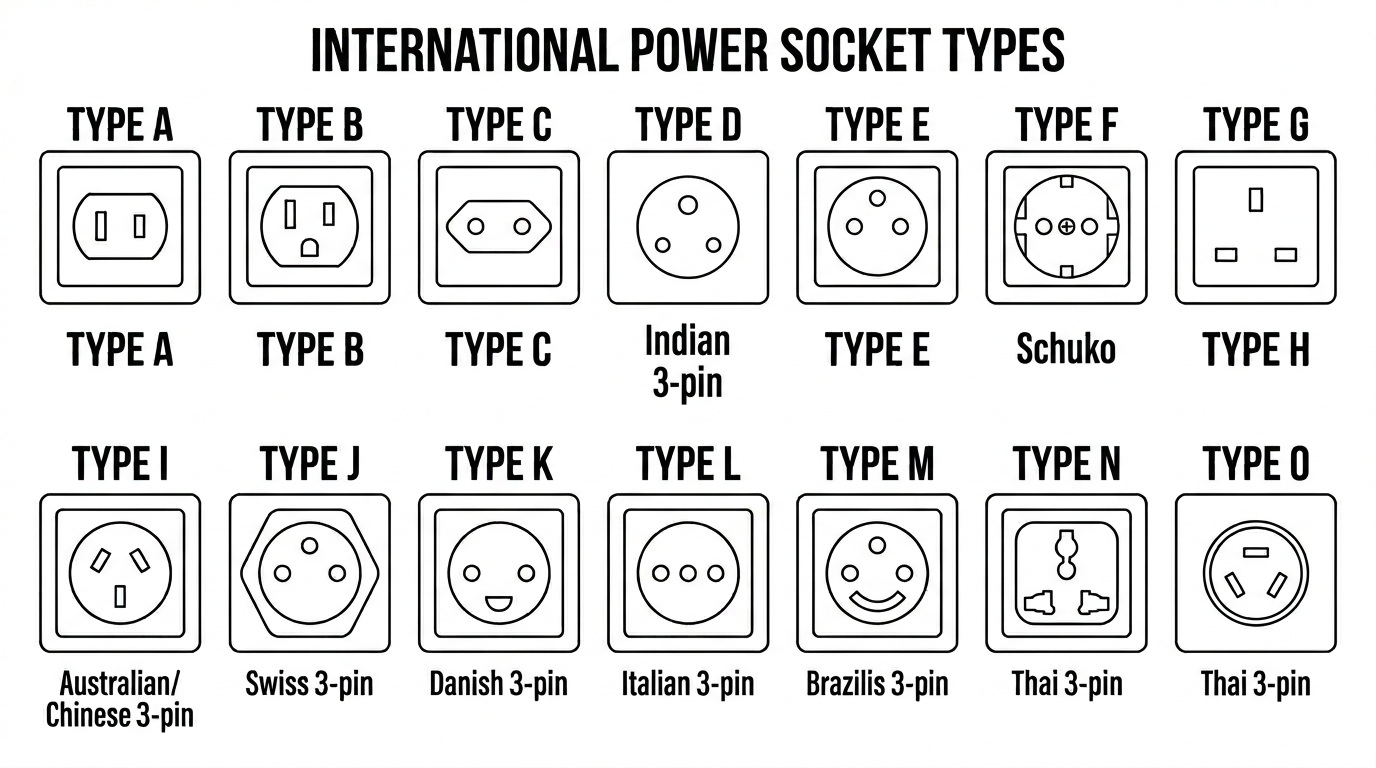
Eluttag
Typ A och B
Types A and B, 120V, 60Hz (same as the United States)
Se eluttagen
Dricks
Tipping is appreciated but modest. Many restaurants automatically add a 10% service charge ('propina') to the bill; if not, leaving around 10% is customary for good service. Round up taxi fares, and tip hotel porters and guides a small amount (roughly USD 1–2 or the equivalent). US dollars are widely accepted alongside córdobas.
SIM / Data
The two main mobile operators are Claro and Tigo, both with good coverage in populated areas and along the Pacific corridor; coverage is weaker in remote and Caribbean regions. Prepaid SIM cards are inexpensive and widely sold at official stores, where you can register and top up ('recarga'). Bring an unlocked phone and your passport for registration. Buying at an official Claro or Tigo store rather than a street kiosk avoids activation issues.
Visum
Many nationalities, including citizens of the US, Canada, the EU, the UK, and Australia, do not need a visa for tourist stays of up to 90 days. On arrival, most travelers must purchase a tourist card/entry fee (around USD 10, payable in cash USD). A passport valid for at least six months beyond entry and proof of onward travel may be requested. Nicaragua is part of the CA-4 agreement (with Guatemala, El Salvador, and Honduras), meaning the 90-day limit is shared across these four countries. Always confirm current requirements with an official Nicaraguan consulate before travel.
Körfält
Right
Hur tar man sig runt i Nicaragua?
Kollektivtrafik
Within cities, public transport consists mainly of crowded local buses and shared taxis. In Managua, taxis are often shared ('colectivo'), picking up multiple passengers heading in similar directions; always agree on the fare before getting in since meters are not used. Granada and León are small enough to explore on foot or by horse-drawn carriage and bicycle.
Taxitjänster
- inDrive
- Raylocal Nicaragua ride app
Intercity
Intercity travel relies heavily on buses. Old US school buses ('chicken buses') are the cheapest and most common way to reach towns and villages, while faster, more comfortable 'expreso' microbuses and minivans connect major cities like Managua, Granada, León, and Rivas. International and premium bus lines such as TicaBus and Transnica link Nicaragua with neighboring Central American countries. Domestic flights are limited but available from Managua to the Caribbean coast (Bluefields, Corn Islands) via small carriers. Ferries and 'pangas' (small motorboats) connect to Ometepe Island and the Corn Islands.
Kultur och seder
Seder
- Greetings are warm and personal: a handshake among men, and a single kiss on the cheek between women or between a man and a woman who know each other. Always greet people when entering a shop, home, or office before getting to business.
- Nicaraguans value politeness and indirectness; saying a flat 'no' can be considered rude, so people often soften refusals. Pay attention to context rather than expecting blunt answers.
- Family is central to social life, and Sundays are typically reserved for family gatherings, large lunches, and visits. Being invited to a family meal is a sign of genuine welcome.
- Punctuality is relaxed in social settings ('la hora nica'), and arriving 30 minutes to an hour late to a party or casual gathering is normal, though business meetings are expected to start closer to on time.
- Use titles of respect such as 'Don' and 'Doña' before a person's first name when addressing elders or people of standing. It signals courtesy and good manners.
- Bargaining is acceptable and expected in markets (mercados) and with street vendors, but it should be friendly and good-natured, not aggressive; prices in formal shops are fixed.
Klädkod
Dress is generally casual and lightweight due to the tropical heat, but Nicaraguans take pride in being neat and well-groomed. Beachwear belongs at the beach and pool only; cover up in towns. For visits to churches, dress modestly with shoulders and knees covered. In Managua's restaurants and clubs, smart-casual attire is appreciated in the evenings.
Religiös etikett
Nicaragua is predominantly Roman Catholic, with a large and growing Evangelical Protestant minority, and faith plays a visible role in daily life. When visiting churches, dress modestly, remove hats, speak quietly, and avoid wandering or taking flash photos during Mass or services. Religious processions, especially during Holy Week (Semana Santa) and patron-saint festivals, are taken seriously; observe respectfully and ask before photographing participants. Showing respect for religious imagery and saints is always appreciated.
Vanliga uttryck
- Hola, ¿cómo está?Hello, how are you?
- Por favor / GraciasPlease / Thank you
- ¿Cuánto cuesta?How much does it cost?
- ¿Dónde está el baño?Where is the bathroom?
- ¡Qué tuani!How cool/great! (Nicaraguan slang)
- Con permisoExcuse me (when passing by)
Höjdpunkter
Sport & fritid
Baseball
Baseball ('béisbol') is the unrivaled national passion of Nicaragua, a legacy of historical US influence, and the country fields a popular professional league (the Liga de Béisbol Profesional Nacional). Nicaraguans follow the sport fervently, take pride in players who reach Major League Baseball, and play it everywhere from city stadiums to dusty rural lots. Boxing is the other source of intense national pride, having produced world champions, while football (soccer) has a smaller but growing following. Along the Pacific coast, surfing has become a major draw for both locals and visitors, with San Juan del Sur and Popoyo among the best-known breaks.
Nationella högtider
- March or April (movable, week before Easter)
Semana Santa (Holy Week)
The most important religious holiday, marked by solemn processions, elaborate sawdust street carpets ('alfombras'), and church services nationwide. Many Nicaraguans also flock to beaches and rivers, making it a major travel and vacation week.
- August 1–10
Fiestas de Santo Domingo (Managua)
Managua's biggest patron-saint festival, honoring Santo Domingo de Guzmán. A small statue of the saint is carried in lively processions between churches, accompanied by music, dancing, horse parades (hípica), food, and bullfighting-style events.
- December 7–8
La Purísima / La Gritería
A uniquely Nicaraguan celebration of the Immaculate Conception of the Virgin Mary. On the night of December 7, crowds go door to door shouting '¿Quién causa tanta alegría?' ('Who causes so much joy?'), answered with '¡La Concepción de María!', while households give out sweets, fruit, and small gifts.
- September 15
Independence Day
Celebrates Central America's 1821 independence from Spain, with school parades, marching bands, drumlines, flag ceremonies, and patriotic events across the country.
Ska du till Nicaragua?
Prova en färdig resa först.
Öppna demoresan utan att registrera dig: Barcelona på egen hand, eller Rom, Florens och Venedig i grupp. Planera sedan Nicaragua på ditt eget sätt.