
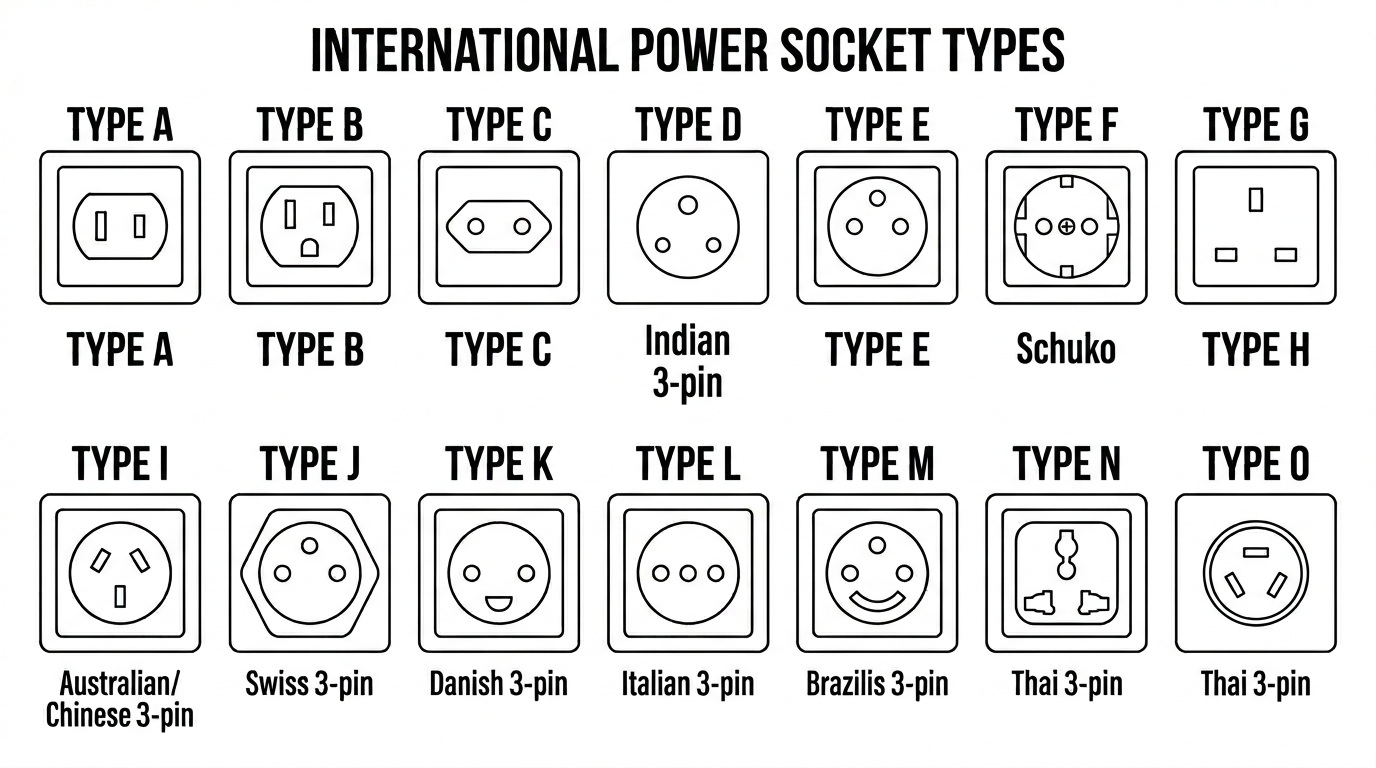
I Samoa betalar man med Samoan tala, eluttagen är av typ I och nödnumret är 911. Samoa is one of the safest countries in the Pacific, with low rates of violent crime against tourists and a warm, welcoming culture.
Nödnummer
Hur säkert är Samoa?
- Mycket säkert
- Generellt säkert
- Var försiktig
- Hög risk
- Farligt
Samoa is one of the safest countries in the Pacific, with low rates of violent crime against tourists and a warm, welcoming culture. The main risks are natural and environmental rather than criminal: strong ocean currents and rip tides, occasional petty theft, road hazards, and tropical-disease outbreaks (dengue, and periodically measles). Exercise normal precautions, respect village customs and the Sunday/Sā curfew, and take standard health and ocean-safety measures.
Reseaviseringar (7)
Bedrägerier
- Beach and waterfall 'custom fees': many beaches, pools, and waterfalls are village-owned and charge a legitimate small entry fee, but occasionally an unofficial person may try to collect a second or inflated fee. Pay at the marked booth and ask for the standard rate.
- Taxi overcharging: most taxis are unmetered, so always agree on the fare before getting in. Drivers may quote tourists higher prices, especially from the airport and wharves.
- Car rental damage claims: inspect rental vehicles thoroughly and photograph existing scratches before driving off, as some operators try to charge for pre-existing damage. Note you also need a temporary local driving permit.
- Informal 'guides' and souvenir markups: friendly self-appointed guides at sites may expect payment afterward, and some market or craft prices are inflated for visitors, so clarify costs upfront and compare a few stalls.
Varningar
- Ocean conditions can be dangerous: strong currents, rips, and reef breaks cause drownings every year; heed local advice, avoid swimming alone, and be cautious around blowholes and lava-rock coastlines like the Alofaaga (Taga) Blowholes.
- Samoa lies in a seismically and cyclone-active region. The official cyclone season runs roughly November to April; tsunamis are a real risk after large earthquakes (a 2009 tsunami caused major loss of life on Upolu's south coast). Know evacuation routes and move to high ground if you feel a strong quake.
- Mosquito-borne dengue fever occurs and periodic outbreaks happen; use repellent and cover up. Check current vaccination recommendations (including measles) before travel.
Praktisk info
Valuta
Samoan tala (WST)
Eluttag
Typ I
Type I (the same three-flat-pin plug used in Australia and New Zealand); mains voltage is 230V, 50Hz.
Se eluttagen
Dricks
Tipping is not a traditional part of Fa'a Samoa and is not expected. It is appreciated for exceptional service but never obligatory; some upscale resorts may use a shared staff tip box rather than individual tips.
SIM / Data
Local SIM/eSIM cards from Digicel and Vodafone Samoa are cheap and sold at the airport, in Apia, and at provider shops; bring an unlocked phone and your passport for registration. Coverage is good around Apia and Upolu and decent on Savai'i but patchy in remote interiors. Resort/cafe Wi-Fi is common but can be slow.
Visum
Many nationalities (including most Western, EU, UK, US, Australian, NZ, and Commonwealth visitors) receive a free visitor entry permit on arrival, typically valid for 60 days, with proof of onward travel and a passport valid at least 6 months. Always confirm current requirements with a Samoan mission or official source before travelling, as rules change.
Körfält
Left
Hur tar man sig runt i Samoa?
Kollektivtrafik
Colourful wooden 'aiga' buses are the cheap, characterful local transport, especially around Apia and Upolu, with fares paid in cash to the driver. They run on informal, often Apia-centric schedules, rarely on Sundays, and can be infrequent in the afternoon, so plan around them. Taxis are widely available in town for short trips.
Taxitjänster
- No widely established international ride-hailing app (such as Uber or Grab) operates in Samoa; transport is by taxi (negotiate fare in advance), local aiga buses, or hire car.
Intercity
Travel between the two main islands, Upolu and Savai'i, is by car/passenger ferry across the Apolima Strait (Mulifanua wharf on Upolu to Salelologa on Savai'i), a roughly 1 to 1.5 hour crossing run by the Samoa Shipping Corporation. Small inter-island flights have operated at times but are limited; most visitors use the ferry. On each island, distances are modest and a hired car or guided tour covers the coastal roads.
Kultur och seder
Seder
- Sunday (Sā) is sacred and largely observed nationwide. Most shops close, transport stops, and many villages hold a quiet evening prayer curfew (called Sā) around dusk when you should stop, stay still, and not walk or drive through the village until it ends.
- Fa'a Samoa ('the Samoan way') governs daily life: respect for elders, the extended aiga (family), and the matai (chief) system is central. Defer to local hierarchy and never publicly contradict an elder or chief.
- When entering a fale (traditional open house) or any home, remove your shoes, and sit cross-legged on the floor mat. Do not stretch your legs out so the soles of your feet point at others; tuck them away or cover them with a mat.
- If offered 'ava (kava) at a ceremony, tip a few drops onto the ground or mat and say 'manuia' before drinking. Accept food and hospitality graciously, as refusing outright can cause offence.
- Dress and behave modestly, especially in villages and on Sundays. Ask permission before swimming at village-owned beaches or freshwater pools, as many are private and a small custom fee may apply.
- Always ask before photographing people, ceremonies, or inside churches. Pointing, raising your voice, or showing anger in public is considered very disrespectful.
Klädkod
Modest, lightweight clothing suits the hot, humid tropical climate. Both men and women commonly wear a lavalava (sarong). Cover shoulders and knees when visiting villages, churches, and government offices; beachwear is for the beach and resorts only. Sunday church calls for smart, conservative dress, often white.
Religiös etikett
Samoa is overwhelmingly Christian (Congregational, Catholic, Methodist, Latter-day Saints, and others), and faith is woven into daily life. Dress modestly and remove hats in churches, sit quietly during services, and ask before taking photos. Respect the evening village prayer curfew (Sā): if you are walking or driving when it begins, stop and wait until it lifts. Avoid scheduling activity, loud music, or beach parties on Sundays out of respect.
Vanliga uttryck
- TalofaHello / Welcome
- Tofa soifuaGoodbye
- Fa'afetai (tele)Thank you (very much)
- Fa'amolemolePlease / Excuse me
- Manuia le asoHave a good day
- O a mai oe?How are you?
Höjdpunkter
Sport & fritid
Rugby union
Rugby is the national passion. Samoa punches far above its size internationally, and the national side, Manu Samoa, is followed with huge pride; many Samoans also star in New Zealand, Australian, and European club rugby and rugby league. Matches are major social events, and the team's pre-match challenge, the Siva Tau, is performed with intensity. Beyond rugby, traditional cricket (kilikiti), boxing, netball, and ocean activities like surfing and outrigger paddling are popular.
Nationella högtider
- 1 June (celebrations span early June)
Independence Day
Marks Samoa becoming the first Pacific Island nation to gain independence (from New Zealand administration) in 1962. Celebrated with parades, traditional dancing, sports, choir and cultural performances, especially in Apia.
- Late August to early September (roughly 1 week)
Teuila Festival
Samoa's flagship cultural festival, named after the red ginger flower. Showcases traditional dance (siva), fire-knife dancing, choir competitions, tattooing (tatau), food, and a Miss Samoa pageant in and around Apia.
- Second Sunday of October
White Sunday (Lotu Tamaiti)
A beloved day honouring children, who dress in white, lead church services with songs and Bible recitals, and are then celebrated with a special family feast. One of the most important days on the Samoan calendar.
- April / May (varies, late April peak)
Samoa International Game Fishing Tournament
A popular annual deep-sea fishing competition drawing local and international anglers, reflecting Samoa's strong fishing culture and ocean heritage.
Ska du till Samoa?
Prova en färdig resa först.
Öppna demoresan utan att registrera dig: Barcelona på egen hand, eller Rom, Florens och Venedig i grupp. Planera sedan Samoa på ditt eget sätt.