
Reseguide till Tanzania. Viktig reseinformation — nödnummer, säkerhet, valuta, visum, seder och att ta sig runt.
Nödnummer
Hur säkert är Tanzania?
- Mycket säkert
- Generellt säkert
- Var försiktig
- Hög risk
- Farligt
Tanzania is one of East Africa's more stable and welcoming destinations, and the vast majority of visits to the safari parks, Kilimanjaro, and Zanzibar are trouble-free. The main risks are petty crime (pickpocketing, bag-snatching, and theft from vehicles) in Dar es Salaam, Arusha, and Stone Town, road safety on long-distance journeys, and malaria. Exercise normal-to-increased caution: stay alert in crowds and after dark, avoid displaying valuables, and use reputable operators and transport.
Reseaviseringar (8)
Bedrägerier
- Inflated and fake safari/Kilimanjaro operators: unlicensed agents take deposits then disappear or deliver a far inferior trip. Book only with operators licensed by the Tanzania Association of Tour Operators (TATO) and verify reviews and registration before paying.
- Currency and ATM tricks: street money-changers shortchange tourists, and card skimming occurs at some ATMs. Use ATMs inside banks during the day, count cash before walking away, and change money at banks or licensed bureaux rather than on the street.
- 'Friendly helper' and price scams: overly helpful strangers at bus stations, ferry terminals, and markets may steer you to commission-paying shops or demand a fee afterward. In markets and with taxis/bajaji, always agree the price first, as quoted 'tourist prices' are heavily inflated.
- Fake officials and bogus fees: people posing as police, park officials, or guides may demand on-the-spot 'fines' or fees. Ask for clear identification, never hand over your passport, and pay official park and entry fees only at official desks.
Varningar
- Petty and occasionally violent crime (muggings, bag-snatching by motorcycle) occurs in cities and tourist areas, especially after dark; avoid walking alone at night and keep valuables out of sight.
- Road traffic accidents are a leading danger: poor road conditions, speeding buses, and night driving are hazardous. Avoid overnight long-distance buses and self-driving at night, and insist on seatbelts.
- Malaria is present across most of the country (including Zanzibar); take antimalarial prophylaxis and use repellent and mosquito nets. Yellow fever proof is required if arriving from an at-risk country.
- Some Western governments advise increased caution near the far-southern Mtwara region border with Mozambique due to spillover from insurgent activity in Cabo Delgado; check current advisories before travelling there.
Praktisk info
Valuta
Tanzanian shilling (TZS)
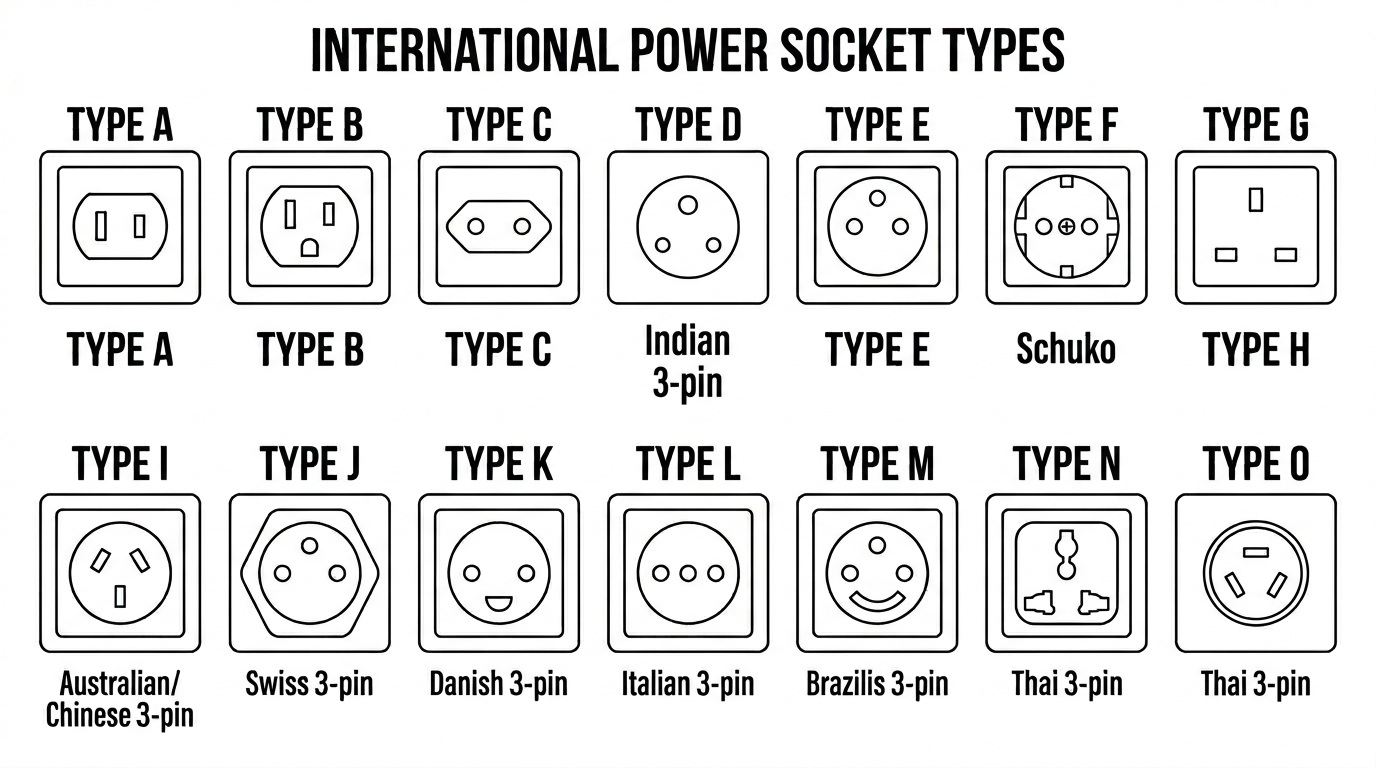
Eluttag
Typ D och G
Type D and Type G, 230V, 50Hz
Se eluttagen
Dricks
Tipping is widely expected in the tourism sector. On safari, budget roughly USD 15-25 per guide per day and a separate pooled tip for camp/lodge staff; on a Kilimanjaro climb, tipping the guide, cook, and porter team is a significant, expected cost (often USD 200-300+ per climber split among the crew). In restaurants, rounding up or about 10% is appreciated where service isn't already added. Small tips for hotel porters and helpful drivers are customary.
SIM / Data
Buy a local SIM from Vodacom, Airtel, Tigo (Yas), or Halotel; registration is mandatory, so bring your passport. SIMs and data bundles are cheap and sold at official shops, airports, and kiosks; Vodacom and Airtel have the broadest coverage including near the national parks, though signal is patchy deep in the bush. eSIMs (e.g. Airalo) are a convenient alternative for short stays.
Visum
Most visitors need a visa, obtainable in advance via Tanzania's official e-visa portal or on arrival at major airports and borders for many nationalities. A single-entry tourist visa is commonly USD 50, while US citizens are charged USD 100 for a multiple-entry visa. Passports must be valid at least six months with blank pages. Note Tanzania mainland and Zanzibar are one country but Zanzibar runs separate immigration checks, and proof of yellow fever vaccination is required if arriving from a country with risk of yellow fever transmission. Always confirm current rules on the official immigration site before travel.
Körfält
Left
Hur tar man sig runt i Tanzania?
Kollektivtrafik
Within cities, shared minibuses called 'daladala' are cheap, crowded, and follow set routes; in Dar es Salaam the DART bus rapid transit ('Mwendokasi') runs dedicated red articulated buses along main corridors. Motorcycle taxis ('bodaboda') and three-wheeled 'bajaji' (tuk-tuks) fill the gaps but carry higher accident risk; insist on a helmet on a bodaboda. Agree fares before riding in anything without a meter.
Taxitjänster
- UberDar es Salaam
- BoltDar es Salaam and some other cities
- Little
Intercity
Long-distance buses (coaches) link major towns; reputable companies on the Dar es Salaam-Arusha-Moshi route are more reliable, though road accidents are a real risk and overnight buses are best avoided. The TAZARA railway runs toward Zambia and a modern Standard Gauge Railway (SGR) now connects Dar es Salaam to Dodoma and beyond. Domestic flights (Precision Air, Auric/Coastal, Air Tanzania, Regional) are the practical way to reach safari hubs and Zanzibar, saving long drives. Ferries (notably Azam Marine/Zan Fast) run frequently between Dar es Salaam and Zanzibar; use the official scheduled ferries.
Kultur och seder
Seder
- Greetings are essential and never rushed. A common exchange is 'Habari?' (how are you?) or the respectful 'Shikamoo' said by younger people to elders, who reply 'Marahaba'. Skipping greetings to get straight to business is considered rude.
- Use your right hand for eating, giving, and receiving. The left hand is traditionally regarded as unclean. Receiving a gift or money with both hands, or the right hand touching the left forearm, shows added respect.
- Tanzania is roughly a third Muslim (and the majority on Zanzibar), so modest dress is appreciated, especially away from beach resorts. Public displays of affection are frowned upon, and on Zanzibar covering shoulders and knees in towns is expected.
- Remove your shoes before entering someone's home or a mosque. It is polite to accept at least a little of any food or chai offered to you, as hospitality is a point of pride.
- Pole pole ('slowly slowly') captures the relaxed pace of life. Patience is valued; visible impatience, raising your voice, or public anger cause loss of face for everyone involved.
- Always ask before photographing people, particularly Maasai and other rural communities; many will expect a small fee, and some object on religious grounds. Photographing government buildings, airports, and military sites is prohibited.
Klädkod
Lightweight, breathable clothing in neutral tones for safari (avoid blue and black, which attract tsetse flies; bright white shows dust). Bring a warm layer for chilly early-morning game drives and for the Ngorongoro/Kilimanjaro highlands. In towns and especially on Zanzibar and other Muslim areas, dress modestly: cover shoulders and knees, and women may carry a scarf. Beachwear is fine at resorts and on the beach but not in town streets or villages.
Religiös etikett
Tanzania is religiously mixed: mainland is roughly split between Christians and Muslims, while Zanzibar is overwhelmingly Muslim. Dress modestly near mosques and in conservative areas, and remove shoes before entering a mosque (non-Muslims generally may not enter the prayer hall itself). During Ramadan, avoid eating, drinking, or smoking in public during daylight on Zanzibar and in Muslim communities out of respect. Ask permission before photographing worshippers, and keep beachwear strictly to the beach and resorts.
Vanliga uttryck
- Jambo / Habari?Hello / How are you? (Jambo is the simple tourist greeting)
- Asante (sana)Thank you (very much)
- KaribuWelcome / You're welcome
- Hakuna matataNo worries / no problem
- Pole poleSlowly, slowly (take it easy)
- Bei gani? / Ngapi?How much is it? (when bargaining)
Höjdpunkter
Sport & fritid
Football (soccer)
Football is the national obsession, with Dar es Salaam giants Simba SC and Young Africans (Yanga) dominating the Premier League and igniting fierce, city-wide rivalries on derby days. Many Tanzanians also passionately follow the English Premier League. Beyond football, Tanzania has a proud distance-running tradition (Filbert Bayi's famous 1500m world record and Olympic marathon medals), and the outdoor 'sports' that draw visitors are world-class: climbing Kilimanjaro, Africa's highest peak, plus diving, snorkelling, and kitesurfing off Zanzibar's reefs.
Nationella högtider
- April 26
Union Day (Muungano)
National holiday marking the 1964 union of Tanganyika and Zanzibar to form the United Republic of Tanzania, with parades and official ceremonies.
- Early-mid February (annual, ~4 days)
Sauti za Busara
Zanzibar's flagship music festival in Stone Town, celebrating East African and pan-African music with live performances in the Old Fort and a colourful street carnival.
- December 9
Independence Day (Uhuru Day)
Commemorates Tanganyika's independence from Britain in 1961, celebrated nationwide with parades, music, and official events.
- July (annual)
Zanzibar International Film Festival (ZIFF)
East Africa's largest film and arts festival, held in Stone Town with screenings, music, and cultural performances drawing filmmakers across the continent.
Ska du till Tanzania?
Prova en färdig resa först.
Öppna demoresan utan att registrera dig: Barcelona på egen hand, eller Rom, Florens och Venedig i grupp. Planera sedan Tanzania på ditt eget sätt.