
Reseguide till Azerbajdzjan. Viktig reseinformation — nödnummer, säkerhet, valuta, visum, seder och att ta sig runt.
Nödnummer
Hur säkert är Azerbajdzjan?
- Mycket säkert
- Generellt säkert
- Var försiktig
- Hög risk
- Farligt
Azerbaijan is generally a safe destination for travelers, with low rates of violent crime and a visible police presence in Baku. Petty crime such as pickpocketing, taxi overcharging, and bar scams is the main concern, particularly in crowded tourist areas of the capital. The major exception is the conflict-affected zone bordering Armenia and the formerly disputed Nagorno-Karabakh region, where landmines, unexploded ordnance, and military activity make travel dangerous and often restricted. Solo female travelers are generally safe but may experience unwanted attention. Standard precautions, sensible dress in conservative areas, and avoiding political discussions or photography of government, military, and border sites keep most visits trouble-free.
Reseaviseringar (8)
Bedrägerier
- Taxi overcharging is common, especially with the older dark-and-light blue 'eggplant' style cabs and at the airport. Always agree a price first or insist on the meter; better still, use the Bolt or Uber app for fixed, transparent fares.
- Some bars, nightclubs, and 'cafes' in central Baku run a hostess/clip-joint scam: friendly local women invite lone male tourists in, then a vastly inflated bill (sometimes hundreds of manat) arrives with intimidation to pay. Avoid being led to an unfamiliar venue by a new acquaintance.
- Currency and change tricks occur at bazaars and small shops: count your change, be wary of unofficial money changers, and use banks or licensed exchange offices.
- Petty fraud around money: some restaurants in tourist areas pad bills, and vendors may quote confusing prices in dollars versus manat. Always check the menu price and the printed bill line by line before paying.
Varningar
- Do NOT travel to the border region with Armenia or to the Nagorno-Karabakh area and surrounding districts: there is a serious risk from landmines and unexploded ordnance, and military/security activity. Access is restricted and requires special permission.
- Entering Azerbaijan after visiting Armenia's Nagorno-Karabakh region, or holding evidence of such a visit, can lead to being refused entry, detained, or blacklisted from future entry.
- Avoid photographing military installations, border posts, government buildings, and security personnel, which can lead to detention.
- Political demonstrations are rare and tightly controlled; avoid any protests or large gatherings, as participation by foreigners can lead to arrest or deportation. Check your government's current travel advisory before traveling.
Praktisk info
Valuta
Azerbaijani manat (AZN)
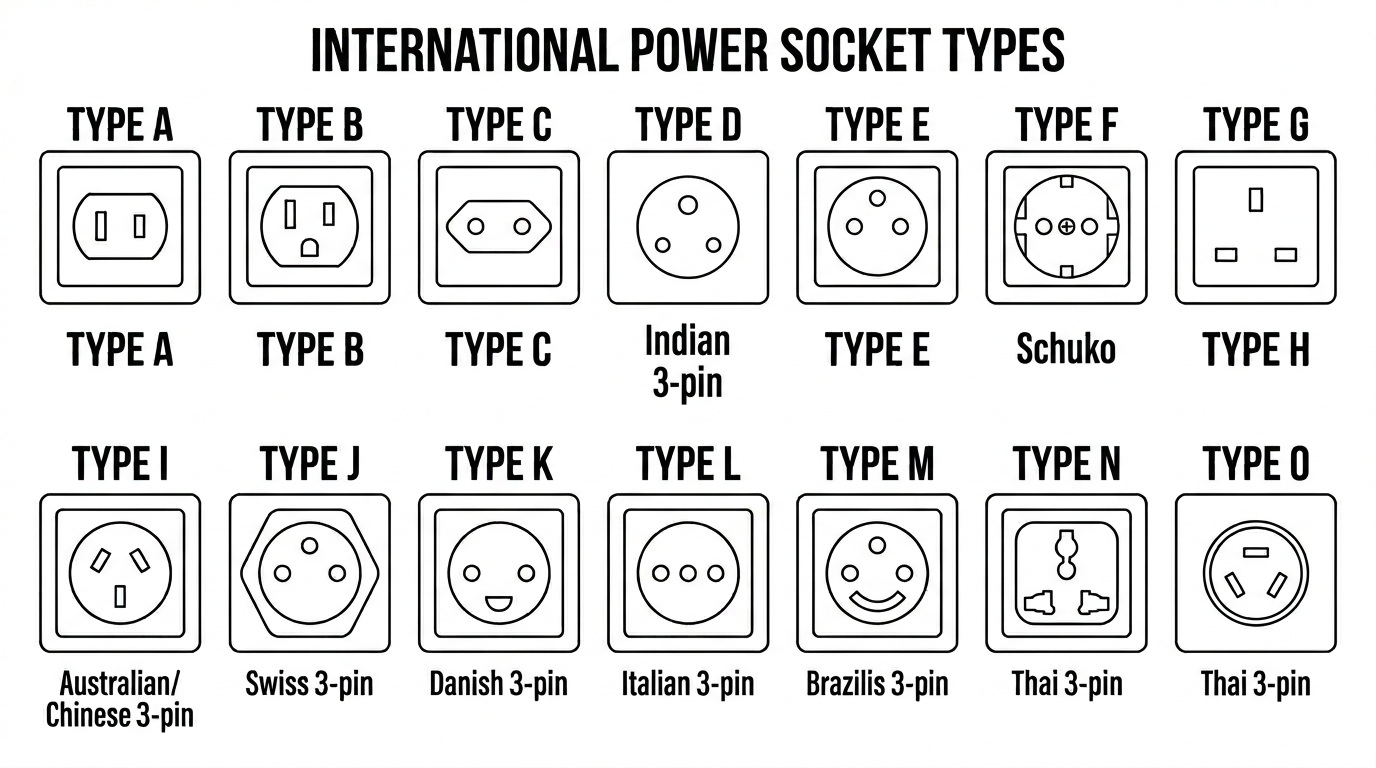
Eluttag
Typ C och F
Types C and F (the round two-pin European plugs), 220V, 50Hz
Se eluttagen
Dricks
Tipping is appreciated but not strictly obligatory. Upscale restaurants often add a 10% service charge; otherwise leaving around 5-10% for good service is customary. Round up taxi fares and leave small change for hotel porters and housekeeping. Tipping in cafes and casual eateries is optional.
SIM / Data
The main mobile operators are Azercell, Bakcell, and Nar. Buy a local prepaid SIM at the airport or an operator store; registration requires your passport, and tourist SIM packages with generous data are inexpensive. Note that, by regulation, foreign phones used in the country for more than 30 days must be registered (IMEI registration) or they can be blocked from the local network. 4G/LTE coverage is strong in cities and good along major routes.
Visum
Most visitors need a visa. Many nationalities (including citizens of the EU, UK, US, and many others) are eligible for the convenient online ASAN Visa e-visa, a single-entry visa typically valid for 30 days, which should be obtained before arrival. A handful of countries have visa-free access for short stays, while others must apply at an embassy. Always confirm current requirements with an official Azerbaijani source before booking, and note that entering with evidence of a visit to the Nagorno-Karabakh region can result in entry refusal.
Körfält
Right
Hur tar man sig runt i Azerbajdzjan?
Kollektivtrafik
Baku has a clean, efficient Soviet-era Metro plus an extensive bus network; both use the rechargeable BakiKart smart card rather than cash. The Metro is cheap and fast for getting around the capital, and modern buses serve routes the Metro does not, including the airport. Tap your BakiKart on boarding.
Taxitjänster
- Bolt
- Uber
- Yango
Intercity
Intercity travel is well served by buses and shared minibuses (marshrutkas) departing from Baku's main bus station (Baku International Bus Terminal). Azerbaijan Railways runs trains connecting Baku with cities such as Ganja and an overnight sleeper to the north, plus a modern fast train on some routes. Domestic flights via AZAL (Azerbaijan Airlines) link Baku with Ganja, Nakhchivan (the exclave reachable only by air or via a third country), and a few other airports. Roads to major cities are generally good.
Kultur och seder
Seder
- Hospitality is central to Azerbaijani culture: guests are treated with great warmth and frequently offered tea, sweets, and a meal. Refusing outright can cause offence, so accept at least a little.
- Tea (chay) is a national ritual, served strong and black in pear-shaped 'armudu' glasses, almost always with sugar, jam (murabba), or lemon. It is offered at the start and end of visits and during business meetings.
- When invited to a home, bring a small gift such as sweets, pastries, or flowers. Give an odd number of flowers, since even numbers are reserved for funerals and mourning.
- Remove your shoes when entering someone's home; slippers are often provided for guests.
- Elders are shown great respect: greet the oldest person first, stand when an older person enters a room, and avoid publicly contradicting them.
- Although the country is secular, it is majority Muslim: eat, pass, and accept food with the right hand, and dress modestly when visiting villages or religious sites.
Klädkod
Baku and other cities are cosmopolitan and largely Western in dress; smart, fashionable clothing is common and ordinary summer wear is accepted in urban areas. In rural regions, the Caucasus mountains, and more conservative communities, modest dress (covered shoulders and knees) is appreciated. When entering mosques, women should cover their hair with a scarf, everyone should cover arms and legs, and shoes are removed.
Religiös etikett
Azerbaijan is a constitutionally secular country with a Shia-majority Muslim population (plus a Sunni minority) and a strong tradition of religious tolerance, including long-established Jewish, Christian, and Zoroastrian-heritage communities. Practice is generally relaxed and alcohol is widely available, but visitors should still be respectful: dress modestly at mosques and shrines (women cover their hair, everyone covers arms and legs and removes shoes), avoid loud or disruptive behavior at religious sites, and be mindful during Ramadan, when some locals fast from dawn to dusk and eating or drinking openly in conservative areas may be frowned upon. Ask permission before photographing people at prayer.
Vanliga uttryck
- SalamHello (literally 'peace')
- Sağ olunThank you (polite)
- BağışlayınExcuse me / Sorry
- Bəli / XeyrYes / No
- Bu nə qədərdir?How much is this?
- HələlikGoodbye / See you later
Höjdpunkter
Sport & fritid
Football (soccer)
Football is the most popular sport, with Qarabag FK the country's most successful club and a regular in European competition. Azerbaijan also has a strong pedigree in chess (a national passion with multiple grandmasters), wrestling, judo, boxing, and weightlifting, which deliver most of its Olympic medals. Baku has invested heavily in international sport, hosting the inaugural 2015 European Games, Formula 1's Azerbaijan Grand Prix on a street circuit around the old city, and matches of UEFA Euro 2020. Traditional horseback games and the native Karabakh horse remain points of cultural pride.
Nationella högtider
- March 20-21 (and surrounding days)
Novruz Bayramı
The most beloved holiday, marking the spring equinox and the Persian/Turkic new year. Celebrations include bonfires jumped for good luck, sprouted wheat grass (səməni), sweets like pakhlava and shekerbura, public festivities, and family gatherings; it is a multi-day national holiday.
- Variable (Islamic lunar calendar)
Ramazan Bayramı (Eid al-Fitr)
The public-holiday feast ending the holy month of Ramadan, during which many Azerbaijanis fast from dawn to dusk and share evening iftar meals. The dates shift roughly 11 days earlier each year.
- May 28
Republic Day (Independence Day)
Commemorates the founding of the Azerbaijan Democratic Republic in 1918, the first secular democratic republic in the Muslim world. Marked by ceremonies, military displays, and national pride.
- November 8
Victory Day
A national holiday marking the end of the 2020 Nagorno-Karabakh conflict, observed with state ceremonies and remembrance events.
Ska du till Azerbajdzjan?
Prova en färdig resa först.
Öppna demoresan utan att registrera dig: Barcelona på egen hand, eller Rom, Florens och Venedig i grupp. Planera sedan Azerbajdzjan på ditt eget sätt.