
Reseguide till Centralafrikanska republiken. Viktig reseinformation — nödnummer, säkerhet, valuta, visum, seder och att ta sig runt.
Nödnummer
Hur säkert är Centralafrikanska republiken?
- Mycket säkert
- Generellt säkert
- Var försiktig
- Hög risk
- Farligt
The Central African Republic is one of the most dangerous countries in the world for travelers, and most Western governments advise against all travel to the entire country. Decades of conflict, recurring coups, and the activity of numerous armed groups have left large areas outside government control. Violent crime (armed robbery, carjacking, kidnapping for ransom, and assault) is widespread, and clashes between armed groups, government forces, and foreign security contractors occur with little warning. Landmines and unexploded ordnance affect some areas. Medical facilities are extremely limited, evacuation is difficult, and consular assistance is minimal because few countries maintain a presence. Anyone who travels despite advisories should use professional security support, maintain a low profile, avoid all demonstrations, and have comprehensive evacuation insurance.
Reseaviseringar (9)
Bedrägerier
- Illegal checkpoints run by armed groups and sometimes by uniformed personnel are common outside (and occasionally inside) Bangui. Operators demand 'fees,' 'fines,' or bribes, and detention or robbery can follow refusal. Carry copies of documents, keep small cash accessible, and never argue.
- Fake or unofficial guides, fixers, and 'officials' offer to expedite visas, permits, or safe passage and then overcharge or disappear. Use only contacts vetted through your embassy, established NGOs, or reputable hotels.
- Currency and money-changing scams target foreigners: rigged exchange rates, short-counted CFA franc bundles, and counterfeit notes. Change money only through reputable channels and count cash carefully before walking away.
- Inflated taxi and moto fares for foreigners are routine. Always agree the price before getting in, and be wary of drivers who claim a route is 'closed' to steer you to costlier or unsafe alternatives.
Varningar
- Most governments (including the US, UK, Canada, and Australia) advise against all travel to the entire country due to armed conflict, crime, and kidnapping.
- Armed groups control or contest large areas outside Bangui; fighting can erupt suddenly and roads may close without notice.
- Kidnapping for ransom of foreigners, including aid workers, is a serious and ongoing threat throughout the country.
- Landmines and unexploded ordnance are present in some regions; do not stray from known safe routes.
- Consular support is severely limited; many countries have no embassy in CAR, so emergency assistance and evacuation may not be available.
Praktisk info
Valuta
Central African CFA franc (XAF)
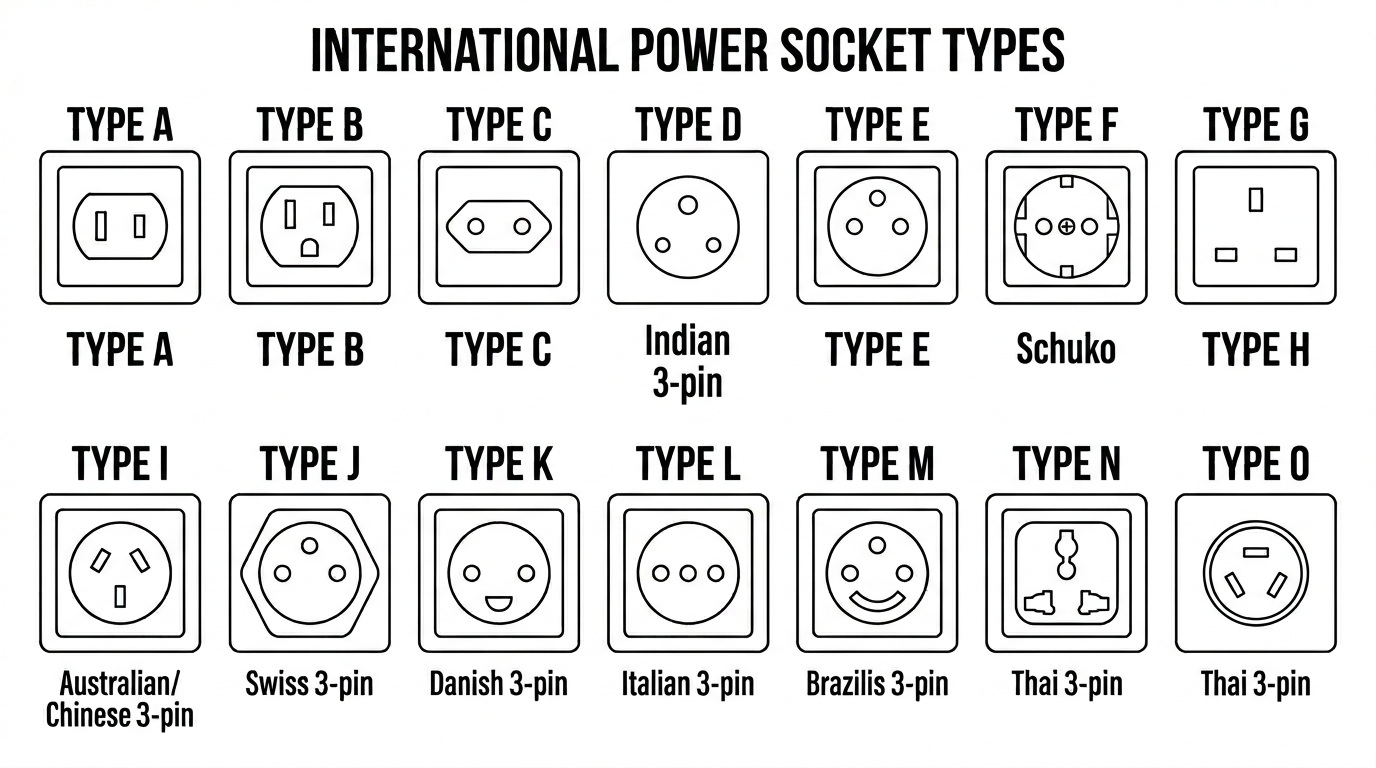
Eluttag
Typ C och E
Types C and E, 220V, 50Hz
Se eluttagen
Dricks
Tipping is not a strong cultural obligation but is appreciated given widespread poverty. In the few upscale hotels and restaurants in Bangui, rounding up the bill or leaving around 5-10 percent is welcomed. Small tips for porters, drivers, and guides are customary. Cash in small CFA franc denominations is best, as card use and change are limited.
SIM / Data
Local SIM cards are available from operators such as Orange Centrafrique, Telecel, and Moov Africa, sold at official shops in Bangui; registration with your passport is required. Network coverage is concentrated in Bangui and major towns and is unreliable or absent across much of the country. Mobile data is slow and intermittent. Buy and register a SIM in Bangui, carry your passport, and do not rely on connectivity once outside urban areas. A satellite phone is recommended for any travel to remote regions.
Visum
Most travelers, including citizens of the US, UK, EU, Canada, and Australia, require a visa to enter the Central African Republic, and it should be obtained in advance from a CAR embassy or consulate before travel. A passport valid for at least six months and proof of onward travel are typically required. Proof of yellow fever vaccination (a valid International Certificate of Vaccination) is mandatory for entry. Because the country has few diplomatic missions abroad, obtaining a visa can be slow and may require applying in a neighboring country or a regional CAR mission. Confirm current requirements with an official CAR representation before any trip, and note that most governments strongly advise against travel here regardless of visa status.
Körfält
Right
Hur tar man sig runt i Centralafrikanska republiken?
Kollektivtrafik
Public transport is rudimentary and concentrated in the capital, Bangui. Shared taxis (often painted in a recognizable color), motorcycle taxis (motos), and minibuses serve the city. There are no formal metro, tram, or organized bus networks. Vehicles are old and crowded, and fares should be agreed in advance. Walking is common but use caution, especially after dark.
Taxitjänster
- No international ride-hailing apps (Uber, Bolt, etc.) operate in the Central African Republic
- Travelers rely on negotiated shared taxis, motorcycle taxis, and drivers arranged through hotels or trusted local contacts
Intercity
Intercity travel is difficult and hazardous. Most roads outside Bangui are unpaved, deteriorate badly in the rainy season (roughly May to October), and pass through areas with armed-group activity and illegal checkpoints. Shared bush taxis and minibuses connect some towns but are overcrowded, poorly maintained, and frequently break down. Many regions are reachable only by 4x4 with an experienced local driver, and overland routes are often unsafe to attempt. Domestic flights are extremely limited; UN and humanitarian agencies (such as UNHAS) operate aircraft to some regional centers, but commercial domestic air service is minimal. River travel on the Oubangui is local and informal.
Kultur och seder
Seder
- Greetings are essential and should never be rushed. A handshake accompanied by inquiries about one's family, health, and well-being is expected before any conversation or transaction begins. Skipping the greeting is considered rude.
- Respect for elders is deeply ingrained. Defer to older people in conversation, offer them seats, and use both hands or the right hand when giving or receiving items from them.
- Hospitality is taken seriously even among the poor. If offered food or drink in someone's home, accepting at least a small amount honors the host; refusing outright can cause offense.
- The left hand is considered unclean. Eat, pass objects, and shake hands using the right hand, especially when sharing communal dishes.
- Photography is sensitive. Always ask permission before photographing people, and never photograph soldiers, police, government buildings, airports, or bridges, as this can lead to detention.
- Public displays of anger or raised voices are seen as a serious loss of dignity. Negotiations and disagreements are handled calmly and indirectly to preserve everyone's honor.
Klädkod
Modest, conservative dress is expected. Both men and women should keep shoulders and knees covered, particularly outside Bangui and when visiting markets, churches, mosques, or government offices. Lightweight cotton clothing suits the hot, humid climate. Women often wear long skirts or dresses; revealing or tight clothing draws unwanted attention. Practical closed shoes are advisable given poor road and path conditions.
Religiös etikett
The population is majority Christian (Catholic and Protestant) with a significant Muslim minority and traditional animist beliefs widespread. Sectarian tension between Christian and Muslim communities has fueled past conflict, so avoid discussing religion or politics with strangers. Dress modestly and remove shoes when entering a mosque; women should cover their hair there. In churches, dress respectfully and remain quiet during services. Always ask before entering a place of worship and before photographing religious sites or ceremonies.
Vanliga uttryck
- BalaoHello (in Sango)
- Singila mingiThank you very much
- Tongana nyen?How are you? / How is it going?
- Nzapa amuYou're welcome / God provides (common response)
- BonjourGood day (French, an official language widely used)
- Combien?How much? (French, useful for markets)
Höjdpunkter
Sport & fritid
Football (soccer)
Football is by far the most popular sport and a unifying national passion. The Central African Republic national team, nicknamed Les Fauves (The Wild Beasts), draws devoted support, and matches are followed closely on radio and in communal viewing spots. Informal games are played wherever there is open ground, with children using improvised balls. Basketball also has a notable following and produced internationally recognized players of Central African heritage. Organized sporting infrastructure is limited by poverty and instability, so most recreation is informal and community-based.
Nationella högtider
- December 1
National Day (Republic Day / Proclamation of the Republic)
Marks the 1958 proclamation of the autonomous Central African Republic by founding father Barthelemy Boganda. The country's most important secular holiday, observed with official ceremonies, parades, and speeches, particularly in Bangui.
- March 29
Boganda Day
Commemorates Barthelemy Boganda, the revered founder of the nation, who died in a plane crash on this date in 1959. A national holiday honoring his legacy as the architect of Central African independence.
- August 13
Independence Day
Celebrates the country's full independence from France in 1960. Marked by public ceremonies, music, and national pride.
- December 25
Christmas
Widely celebrated by the Christian-majority population with church services, family gatherings, music, and feasting, especially in Bangui and southern regions.
Ska du till Centralafrikanska republiken?
Prova en färdig resa först.
Öppna demoresan utan att registrera dig: Barcelona på egen hand, eller Rom, Florens och Venedig i grupp. Planera sedan Centralafrikanska republiken på ditt eget sätt.