
Reseguide till Lesotho. Viktig reseinformation — nödnummer, säkerhet, valuta, visum, seder och att ta sig runt.
Nödnummer
Hur säkert är Lesotho?
- Mycket säkert
- Generellt säkert
- Var försiktig
- Hög risk
- Farligt
Lesotho is generally welcoming and the main risks are opportunistic crime rather than violence against tourists. Petty theft, pickpocketing, and occasional muggings occur in Maseru, particularly after dark and in quiet or downtown areas, so avoid walking alone at night and keep valuables out of sight. The far greater dangers are environmental: treacherous mountain roads, sudden weather changes, altitude, and river crossings. Carry warm clothing year-round, drive cautiously, and never attempt remote routes like Sani Pass without a proper 4x4 and local advice. Lesotho has a very high HIV prevalence, which travelers should be aware of regarding medical care.
Reseaviseringar (8)
Bedrägerier
- Overcharging tourists for taxis, crafts, or guided treks is common; agree on a price clearly before the ride or service begins and carry small denominations.
- ATM and card-skimming risks exist in Maseru; use ATMs inside banks or guarded premises, shield your PIN, and be wary of strangers offering to 'help' at the machine.
- Unofficial or unlicensed border 'fixers' near Maseru Bridge may offer to speed up crossings for a fee or ask for documents; only deal with uniformed officials at the proper counters.
- Be cautious of staged distractions or 'too good to be true' currency exchange or gemstone deals; change money only at banks or licensed bureaux.
Varningar
- Mountain weather is extreme and unpredictable; snow, fog, and freezing temperatures can strike even in summer at high altitude. Plan for cold and check conditions before trekking.
- Driving is hazardous: steep gradients, hairpin bends, livestock on roads, fog, and poorly maintained or unpaved mountain roads cause accidents. Avoid driving at night.
- Periodic political tensions and demonstrations occur in Maseru; avoid protests and large gatherings, which can turn disruptive.
- Medical facilities are limited, especially outside Maseru; serious cases are often referred to South Africa. Carry comprehensive travel and evacuation insurance.
Praktisk info
Valuta
Lesotho loti (plural: maloti) (LSL)
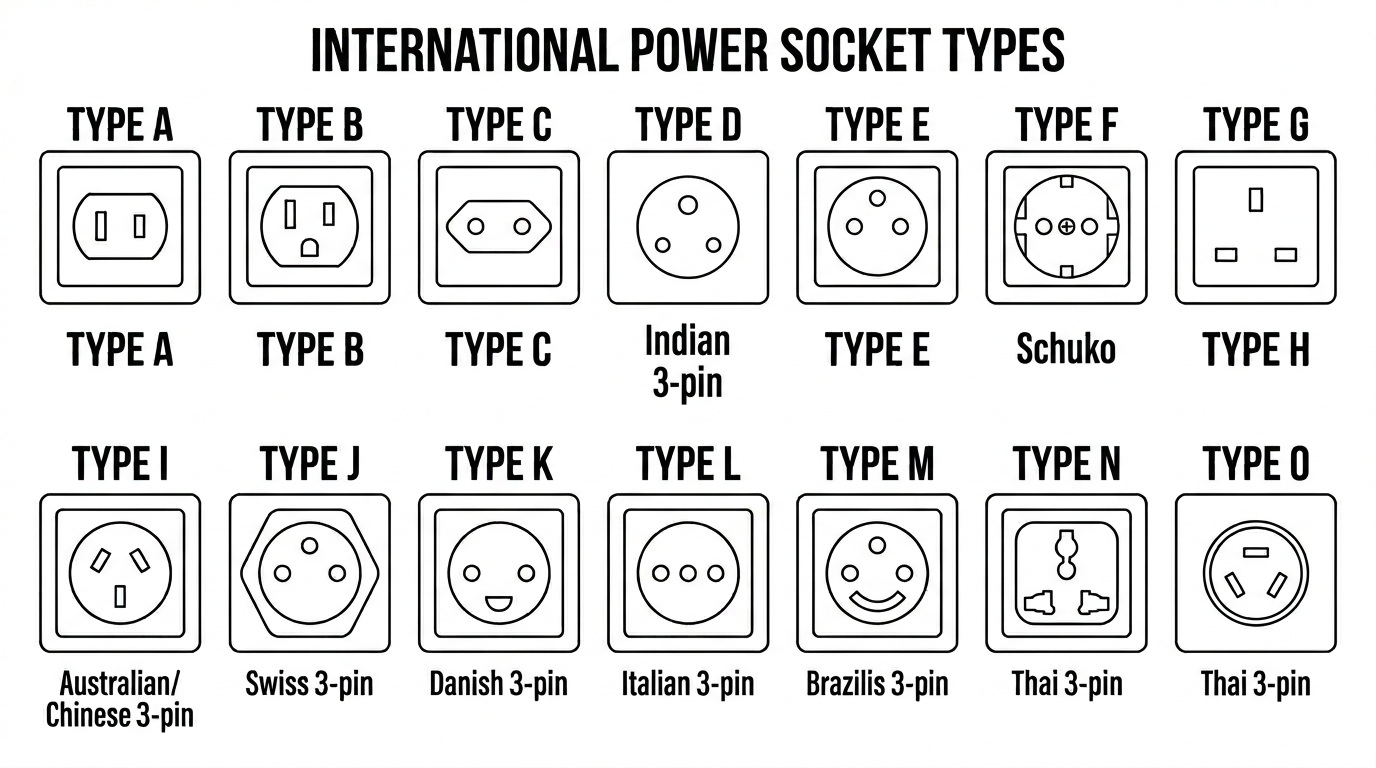
Eluttag
Typ M, C och J
Types M and C (and the older type J), 220V, 50Hz. The large three-round-pin South African Type M plug is the dominant standard, so bring a South African/Type M adapter.
Se eluttagen
Dricks
Tipping is appreciated but not heavily ingrained. In restaurants, around 10% is a generous norm if service is not already included. Tip pony-trekking guides, drivers, and lodge staff a small amount for good service. Round up taxi fares. Tipping is always in cash.
SIM / Data
Vodacom Lesotho and Econet Telecom Lesotho are the main mobile networks. Buy a prepaid SIM and data bundle cheaply at the airport, network shops, or registered vendors in Maseru; registration with your passport is required (RICA-style). Coverage is good in Maseru and towns but patchy in the remote highlands, so download offline maps before trekking.
Visum
Many nationalities, including citizens of the US, EU, UK, and most Commonwealth countries, can enter Lesotho visa-free for short tourist stays (commonly up to 90 days), but rules vary by nationality so confirm before travel. Most visitors arrive overland from South Africa, so a South African visa (if required for your nationality) plus passport pages are needed; note that entering and leaving via South Africa means you pass two sets of border controls. An eVisa system exists for nationalities that do require a visa. Ensure your passport is valid for at least six months.
Körfält
Left
Hur tar man sig runt i Lesotho?
Kollektivtrafik
Within Maseru and towns, shared minibus taxis are the backbone of public transport, supplemented by shared 'four-plus-one' sedan taxis. There is no metro or formal urban rail. Routes are informal, cheap, and crowded; you flag them down and pay a small flat fare in cash. Announce your stop to the conductor.
Taxitjänster
- Uber and Bolt are not reliably established in Lesotho; arrange taxis via your hotel
- Yango operates in some Southern African cities but coverage in Maseru is limited
Intercity
Intercity travel relies mainly on minibus taxis and larger 'sprinter' buses connecting Maseru to towns like Teyateyaneng, Leribe, Mafeteng, and Mokhotlong. They leave when full rather than on a fixed schedule. Mountain roads are slow, winding, and sometimes unpaved; the dramatic Sani Pass route into the highlands requires a 4x4. There are no passenger trains. Self-driving with a sturdy or 4x4 vehicle gives the most freedom for reaching remote areas.
Kultur och seder
Seder
- Greetings are essential and never rushed. In Sesotho, people greet with 'Lumela' followed by inquiries about wellbeing and family before any business is discussed. Skipping the greeting is considered rude.
- The Basotho blanket is a national symbol worn as everyday clothing, especially in the highlands against the cold. Different patterns and the way a blanket is worn can indicate status, marriage, or occasion; admire them respectfully and ask before photographing people wearing them.
- Respect for chiefs (Morena) and elders is deeply embedded. Use both hands when giving or receiving objects, and lower your body slightly or remove a hat when greeting a chief or elder.
- Lesotho is a constitutional monarchy proud of its King and independence; speak respectfully of the monarchy and the nation, which uniquely retained its sovereignty surrounded entirely by South Africa.
- Hospitality is central; if invited into a rondavel (round thatched home) for a meal of papa (maize porridge) and moroho (greens), accept graciously. Bringing a small gift is appreciated.
- Pony trekking and rural life are part of the culture; when passing herd boys in the mountains, a friendly wave and greeting is normal and welcomed.
Klädkod
Dress is generally modest and practical. In rural and highland areas conservative clothing is appreciated, and warm layers are essential year-round because mountain temperatures drop sharply at night and snow falls in winter. The traditional Basotho blanket and gumboots are common rural wear. Beachwear or very revealing clothing is out of place except at private lodges. Smart-casual is fine in Maseru.
Religiös etikett
Lesotho is overwhelmingly Christian (largely Roman Catholic, with significant Protestant and Evangelical communities), and church attendance on Sundays is widespread and important. Dress modestly when visiting churches and avoid scheduling demanding activities for locals on Sunday mornings. Traditional beliefs, ancestral respect, and the role of traditional healers coexist with Christianity in rural areas; treat both with respect.
Vanliga uttryck
- LumelaHello (to one person)
- LumelangHello (to more than one person)
- U phela joang?How are you?
- Ke a lebohaThank you
- Kea u rataI like/love you (also used warmly)
- Sala hantleGoodbye (stay well, to the one staying)
Höjdpunkter
Sport & fritid
Football (soccer)
Football is the most popular and passionately followed sport, with the national team, Likuena ('the Crocodiles'), drawing strong support and a domestic Premier League played across the country. Beyond football, Lesotho has a unique sporting identity tied to its mountains: horse racing and traditional pony events are hugely important, reflecting the central role of the Basotho pony, and pony trekking is the signature adventure activity for visitors. The highland resort of Afriski offers skiing and snowboarding in winter, a rarity in Southern Africa, and long-distance running and athletics also have a following.
Nationella högtider
- October 4
Independence Day
Celebrates Lesotho's independence from Britain in 1966 with parades, music, and official ceremonies, often attended by the King.
- March 11
Moshoeshoe Day
Honors King Moshoeshoe I, the founder of the Basotho nation, with cultural events, horse races, and traditional displays celebrating national heritage.
- July 17
King's Birthday
A public holiday marking the birthday of King Letsie III, observed with national pride and festivities.
- December 25-26
Christmas and Family/Boxing Day
Widely and devoutly celebrated given the country's strong Christian faith, with church services, family gatherings, and feasting.
Ska du till Lesotho?
Prova en färdig resa först.
Öppna demoresan utan att registrera dig: Barcelona på egen hand, eller Rom, Florens och Venedig i grupp. Planera sedan Lesotho på ditt eget sätt.