
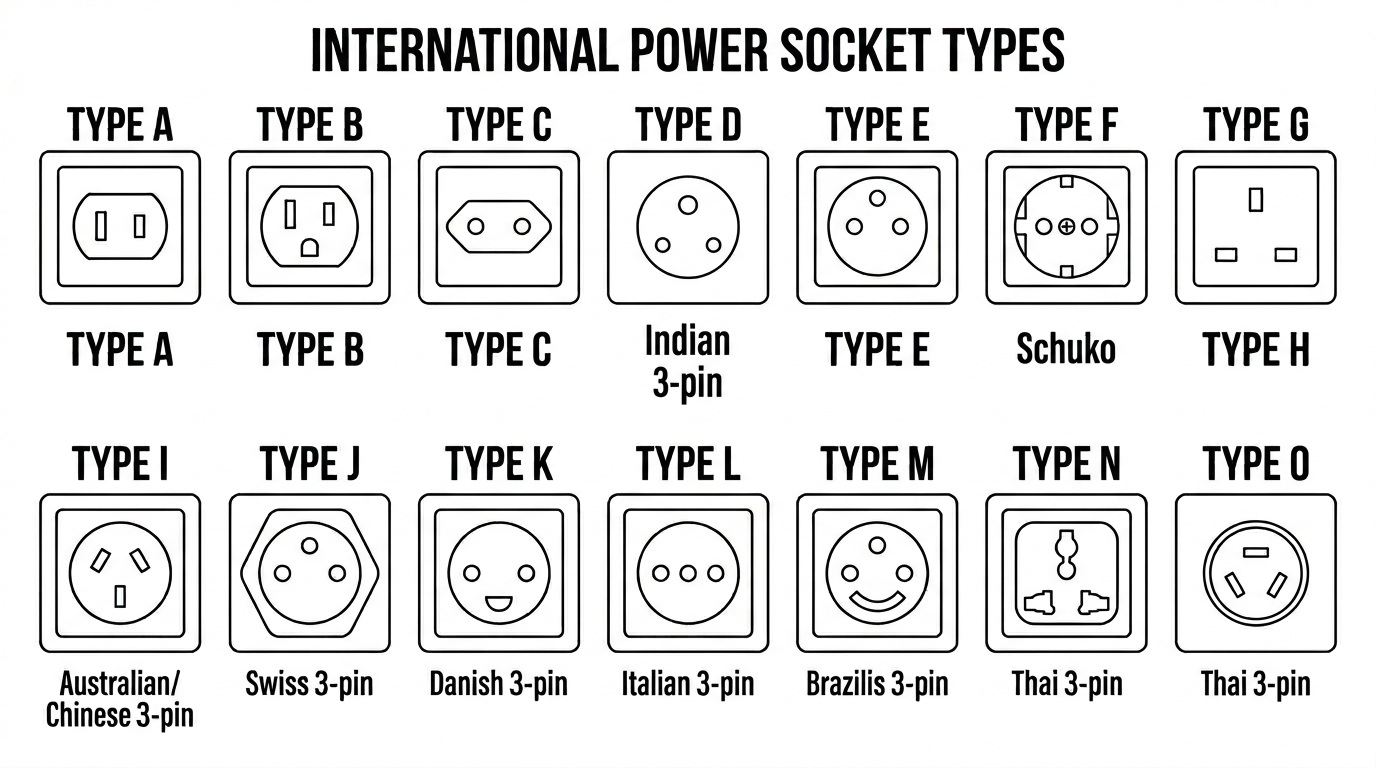
I Madagaskar betalar man med Malagasy ariary, eluttagen är av typ C och E och nödnumret är 117. Madagascar is generally welcoming to travelers, but poverty-driven petty crime, occasional violent banditry on rural roads, and weak emergency infrastructure mean a moderate level of caution is warranted.
Nödnummer
Hur säkert är Madagaskar?
- Mycket säkert
- Generellt säkert
- Var försiktig
- Hög risk
- Farligt
Madagascar is generally welcoming to travelers, but poverty-driven petty crime, occasional violent banditry on rural roads, and weak emergency infrastructure mean a moderate level of caution is warranted. Most visits to popular national parks, the capital Antananarivo, and coastal resorts pass without incident, but travelers should avoid walking after dark, stay alert in crowded areas, and use reputable local guides and drivers. Healthcare outside the capital is very limited, so comprehensive travel and medical-evacuation insurance is essential.
Reseaviseringar (8)
Bedrägerier
- Unofficial or self-appointed 'guides' at airports, national park gates, and bus stations who attach themselves to you and then demand inflated fees — only use guides registered with the park or your hotel.
- Vanilla, gemstone, and spice vendors selling overpriced or fake high-grade products; buy from established shops and never carry undeclared gemstones, which can cause problems at customs.
- Taxi and tuk-tuk drivers quoting no price up front then charging a large fare on arrival — always agree the fare before getting in, as meters are rarely used.
- Currency confusion: prices are sometimes quoted in the old Malagasy franc (FMG) rather than the current ariary, making an amount look five times higher or lower — always confirm which unit is meant.
Varningar
- Armed banditry (dahalo cattle-rustlers) and highway robbery occur on remote roads in the south and southwest, especially after dark; avoid road travel at night.
- Periodic political demonstrations in Antananarivo can turn disruptive — avoid protests and large gatherings.
- Cyclone season runs roughly November to April, bringing flooding, landslides, and travel disruption, particularly on the east coast.
- Medical facilities are very basic outside the capital; serious cases require evacuation, so carry medical-evacuation insurance.
Praktisk info
Valuta
Malagasy ariary (MGA)
Eluttag
Typ C och E
Types C and E, 127V and 220V, 50Hz
Se eluttagen
Dricks
Tipping is appreciated but not heavily institutionalized. Park guides, drivers, and porters rely on tips — budget a few euros per day for guides. In restaurants, rounding up or leaving around 5-10% for good service is welcome. Carry small denominations of ariary, as change can be hard to come by.
SIM / Data
Local SIM cards from Telma, Orange, and Airtel are cheap and sold at airports, shops, and kiosks; bring your passport for registration. Coverage is good in cities and towns but patchy in remote parks and rural areas. Buy data bundles for the best value, as mobile data is far more reliable than fixed internet outside the capital.
Visum
Most visitors need a visa, but short-stay tourist visas are widely available on arrival at major airports and can also be obtained in advance (including via an e-visa system). Tourist visas are commonly issued for stays up to 30, 60, or 90 days, with the fee depending on length of stay. A passport valid for at least six months and an onward/return ticket are normally required. Always confirm current rules with an official Malagasy source before travel.
Körfält
Right
Hur tar man sig runt i Madagaskar?
Kollektivtrafik
Within Antananarivo and other cities, transport relies on shared minibuses (taxi-be), bush taxis, and metered-less taxis (usually cream-colored in the capital). There is no metro or formal urban rail. Tuk-tuks and 'pousse-pousse' (rickshaws) are common in smaller towns and cities like Antsirabe. Always agree a fare before boarding a taxi.
Taxitjänster
- No widely established international ride-hailing app; local taxis and hotel-arranged drivers are the norm
Intercity
The most common way to travel between towns is the 'taxi-brousse' (bush taxi) — shared minibuses that leave when full from regional stations; they are cheap but slow, crowded, and depart on flexible schedules. Roads are often poor and journeys can take much longer than the distance suggests. For long distances, domestic flights (Tsaradia/Madagascar Airlines) save days of travel but can be expensive and prone to changes. Hiring a 4x4 with a driver is the most comfortable and flexible option for reaching national parks.
Kultur och seder
Seder
- The concept of 'fihavanana' — kinship, solidarity, and social harmony — underpins Malagasy life; politeness, patience, and avoiding direct confrontation are highly valued.
- Many communities observe 'fady' (local taboos) that vary by region and village — these can forbid certain foods, pointing at tombs, or visiting sites on certain days; always ask your guide and respect them.
- Ancestors are central to Malagasy belief; tombs are often more elaborate than homes, and the 'famadihana' (turning of the bones) reburial ceremony is a joyful occasion honoring the dead.
- Greetings matter: take time to say hello and exchange pleasantries before getting to business; rushing is considered rude.
- Use your right hand, or both hands, when giving or receiving items, and avoid pointing directly at people or tombs.
- Rice is eaten at virtually every meal and is the heart of the cuisine; declining food offered as hospitality can cause offense, so accept at least a little.
Klädkod
Dress is generally modest and casual. Lightweight clothing suits the tropical coast, while the highlands around Antananarivo can be cool, so bring layers. Cover shoulders and knees when visiting villages, churches, and rural areas, and dress respectfully near tombs and at ceremonies. Beachwear is fine at resorts but not in towns.
Religiös etikett
Roughly half the population follows Christianity (Catholic and Protestant), often blended with traditional ancestor veneration, while there are Muslim communities especially on the coast. Respect church services and dress modestly when attending. Show deep respect at tombs and during ancestral ceremonies such as famadihana — never photograph people or rituals without permission, and always heed local fady taboos.
Vanliga uttryck
- SalamaHello
- Manao ahoana ianao?How are you?
- MisaotraThank you
- AzafadyPlease / Excuse me / Sorry
- Eny / TsiaYes / No
- VelomaGoodbye
Höjdpunkter
Sport & fritid
Football (soccer)
Football is the most popular team sport, played everywhere from city pitches to dusty village fields, and the national team (the Barea) drew huge national pride at their first Africa Cup of Nations appearance in 2019. Madagascar also has a strong tradition in pétanque (boules), inherited from the French, and the country has produced world-class players. Rugby has a passionate following in the highlands, and 'moraingy', a traditional bare-fisted martial art, remains popular along the coast. For visitors, the real recreation is the outdoors: trekking, wildlife and lemur watching, diving and snorkeling off Nosy Be, and surfing.
Nationella högtider
- June 26
Independence Day (Fetin'ny Asaramanitra)
Celebrates Madagascar's independence from France in 1960. The streets fill with parades, music, and fireworks, and children carry colorful paper lanterns the night before.
- Variable, around June-September (dry season)
Famadihana (Turning of the Bones)
A traditional reburial ceremony in the highlands where families exhume the remains of ancestors, rewrap them in fresh silk shrouds, and celebrate with music, dancing, and feasting to honor the dead.
- Late September / early October
Donia Music Festival
Madagascar's biggest music festival, held on the island of Nosy Be, drawing artists from across the Indian Ocean region for several days of concerts and cultural celebration.
- March 29
Martyrs' Day (Commemoration of 1947)
A national day of remembrance for the Malagasy uprising against French colonial rule in 1947 and those who died in its suppression.
Ska du till Madagaskar?
Prova en färdig resa först.
Öppna demoresan utan att registrera dig: Barcelona på egen hand, eller Rom, Florens och Venedig i grupp. Planera sedan Madagaskar på ditt eget sätt.