
Reseguide till Palau. Viktig reseinformation — nödnummer, säkerhet, valuta, visum, seder och att ta sig runt.
Nödnummer
Hur säkert är Palau?
- Mycket säkert
- Generellt säkert
- Var försiktig
- Hög risk
- Farligt
Palau is one of the safest destinations in the Pacific, with very low rates of violent crime against visitors. The main risks are environmental rather than criminal: strong ocean currents and boat-diving accidents, sun and heat exposure, and occasional petty theft of unattended belongings on beaches or in vehicles. Most travel advisories rate Palau as a normal-precautions destination. Saltwater crocodiles inhabit mangroves and remote channels, though attacks on people are very rare. The chief practical concern is the remoteness of medical care: serious injuries or decompression illness may require costly evacuation to Guam or the Philippines, so comprehensive travel and dive insurance is essential.
Reseaviseringar (7)
Bedrägerier
- Some dive operators and tour companies quote prices that exclude the various government fees (the Pristine Paradise Environmental Fee charged on departure and the Rock Islands/Jellyfish Lake permit). Confirm what is and isn't included before booking so you aren't surprised by add-on charges.
- Occasional inflated 'island tour' or taxi pricing for cruise-ship and resort guests in Koror. There are no metered taxis, so agree the fare verbally before getting in.
- Be wary of buying so-called 'authentic' giant clam shell, turtle shell, or coral souvenirs; trade in many of these is illegal under CITES and Palauan law, and you can be fined or have items seized at customs.
- Some smaller shops are cash-only with limited ATMs available, so verify totals, keep receipts, and watch for overcharging on tabs and tours.
Varningar
- No major travel warnings. Standard normal-precautions advice applies.
- Dive and boat safety is the leading cause of serious incidents. Use reputable operators, respect strong currents, and ensure your insurance covers diving and emergency medical evacuation.
- Typhoon season risk runs roughly June to December. Palau sits south of the main typhoon belt but storms and heavy rain can disrupt boat travel and flights.
Praktisk info
Valuta
United States dollar (USD)
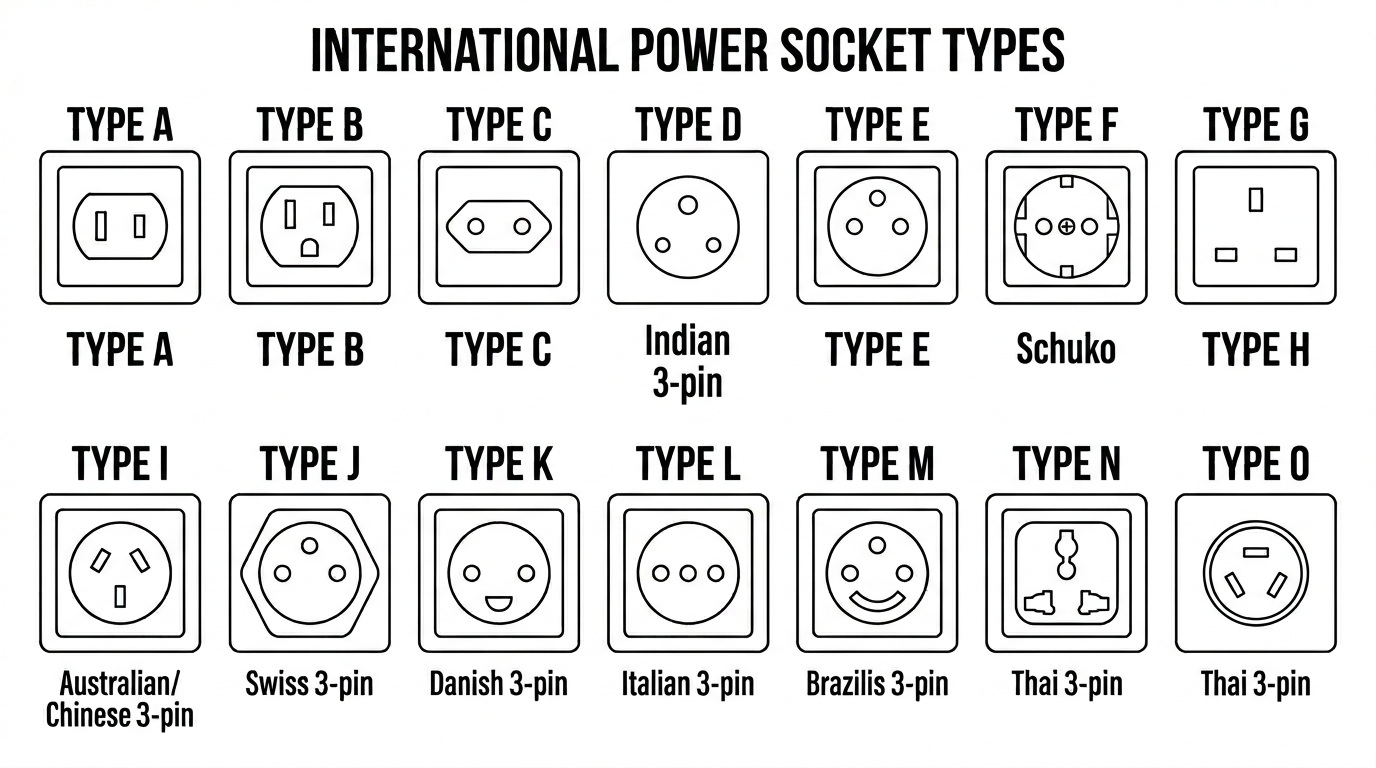
Eluttag
Typ A och B
Types A and B, 120V, 60Hz (same as the United States)
Se eluttagen
Dricks
Tipping is not a strong local tradition but is increasingly common in tourist-facing services. Rounding up or leaving around 10% at restaurants is appreciated, and tipping dive guides and boat crews (a few dollars per day) is customary among visitors. It is never mandatory.
SIM / Data
PNCC (Palau National Communications Corporation) is the main provider and sells local prepaid SIMs and data; PalauCel/PalauTel options also exist. Coverage is good around Koror and Babeldaob but sparse on remote islands and at dive sites. Mobile data is relatively slow and expensive by global standards, so buy a local SIM at the airport or in Koror and consider downloading maps offline.
Visum
Most visitors receive a free entry permit on arrival, commonly for up to 30 days, with extensions available from immigration. A passport valid for at least six months and proof of onward travel are typically required. All departing visitors pay the Pristine Paradise Environmental Fee (charged via the airline ticket or on departure). Check current rules with a Palauan embassy or your airline before travel, as conditions and fee amounts change.
Körfält
Right
Hur tar man sig runt i Palau?
Kollektivtrafik
There is no formal public bus network for tourists. Getting around relies on rental cars, hotel shuttles, taxis, and tour-operator transfers. Some hotels run scheduled shuttles between Koror and the airport or dive shops. Distances within Koror are short and walkable.
Taxitjänster
- No Uber, Lyft, Grab, or similar ride-hailing apps operate in Palau
Intercity
Most travel is between Koror (the main town and tourist hub) and the large island of Babeldaob, linked by the Koror-Babeldaob (KB) bridge. A paved ring road circles much of Babeldaob, reaching the capital, Ngerulmud, and Palau's airport at Airai. Outer islands and the famous Rock Islands are reached only by boat, usually via organized dive and snorkel tours; the remote Southwest Islands are served by an infrequent state supply boat.
Kultur och seder
Seder
- Palauan society is built on strong matrilineal clans; women hold significant authority over land, titles, and family decisions, and elders are treated with deep respect.
- Remove your shoes before entering homes and many guesthouses, and dress modestly when visiting villages away from the resorts and beaches.
- Ask permission before photographing people, traditional bai (meeting houses), or village ceremonies. Many sites and customs are tied to clan ownership.
- Money and gift-giving play a formal role in customary events such as funerals, first-birth ceremonies (ngasech), and house-warmings; outsiders are usually welcomed as guests rather than expected to contribute.
- Conservation is a cultural value, not just a law. The traditional 'bul' (a moratorium on fishing or harvesting an area to let it recover) underpins Palau's marine protections, so respect no-take zones and reef etiquette.
- Sharing food is central to hospitality; accepting at least a little when offered is polite, and a relaxed, unhurried pace ('island time') is the norm.
Klädkod
Light, breathable tropical clothing suits the hot, humid climate year-round. Swimwear is fine at beaches, resorts, and on dive boats but cover up in towns and villages; modest dress (shoulders and knees covered) is appreciated when visiting communities, churches, or government offices. Reef-safe sunscreen is required by law, and lightweight long sleeves help with sun protection.
Religiös etikett
Palau is predominantly Christian (mostly Roman Catholic and Protestant), alongside the indigenous Modekngei faith and a Muslim minority. Sunday is widely observed for church, and some businesses keep reduced hours. Dress modestly and remove hats inside churches, keep quiet during services, and ask before photographing congregations or religious gatherings.
Vanliga uttryck
- AliiHello / greetings (the standard all-purpose greeting)
- SulangThank you
- Ke ua ngerang?How are you?
- Ak mo er a...I am going to... (useful for directions)
- Ngarang a ngklem?What is your name?
- MechikungGoodbye
Höjdpunkter
Sport & fritid
Scuba diving and snorkeling
Palau is a world-renowned diving destination, famous for Blue Corner, German Channel, Jellyfish Lake, and WWII wrecks; ocean activities dominate recreation. Traditional outrigger canoe paddling and fishing remain culturally important, and baseball is the most popular organized team sport, a legacy of the Japanese administration era. Palau also competes internationally in athletics, swimming, and wrestling at events like the Pacific Games and the Olympics.
Nationella högtider
- October 1
Independence Day (Constitution Day)
Marks Palau's becoming a self-governing nation under its constitution in 1981 and full independence in 1994, celebrated with ceremonies, traditional dancing, canoe races, and community feasts.
- Late April
Belau Games / Olechotel Belau Fair
A national cultural fair and sporting festival rotating among the states, featuring traditional foods, handicrafts, dance, and competitions that showcase Palauan heritage.
- March 15
Youth Day
A national holiday honoring Palau's young people with sports, parades, and cultural events organized by schools and communities.
- July 9
Constitution Day observances / President's Day period
Among Palau's official public holidays marked by government ceremonies; dates of civic holidays such as President's Day are set each year and often accompanied by community gatherings.
Ska du till Palau?
Prova en färdig resa först.
Öppna demoresan utan att registrera dig: Barcelona på egen hand, eller Rom, Florens och Venedig i grupp. Planera sedan Palau på ditt eget sätt.