
Reseguide till Papua Nya Guinea. Viktig reseinformation — nödnummer, säkerhet, valuta, visum, seder och att ta sig runt.
Nödnummer
Hur säkert är Papua Nya Guinea?
- Mycket säkert
- Generellt säkert
- Var försiktig
- Hög risk
- Farligt
Papua New Guinea offers extraordinary culture, diving and wilderness, but it carries real and well-documented safety risks, especially in urban areas and on the Highlands Highway. Violent crime, including carjacking, armed robbery and opportunistic assault, is a genuine concern in Port Moresby and Lae, and outbreaks of tribal fighting and election-related unrest occur in the Highlands. Most visitors who travel with reputable operators, use arranged transport, avoid walking in towns (especially after dark) and stay flexible with plans have a rewarding and safe trip. Natural hazards include earthquakes, active volcanoes, malaria and a limited, often distant medical infrastructure.
Reseaviseringar (8)
Bedrägerier
- 'Raskol' criminal gangs operate in Port Moresby, Lae and other urban centres, sometimes carrying out armed carjackings, muggings and break-ins; staged breakdowns or fake 'helpers' may be used to stop and rob vehicles.
- Overcharging and improvised 'custom' or land-access fees can be demanded from tourists at trailheads, dive sites and viewpoints; agree all prices in advance and travel with a reputable guide who knows the legitimate landowners.
- Be cautious with informal money changers and unofficial 'guides' who approach you at airports or markets; use banks, hotels and established tour operators, and never flash cash, phones or jewellery.
- Banana-boat and charter operators may overload vessels or skip life jackets to save money; insist on safety equipment and avoid travelling in poor weather or at night.
Varningar
- Major government travel advisories urge a high degree of caution nationwide and advise reconsidering or avoiding non-essential travel to high-risk areas, particularly parts of the Highlands provinces prone to tribal violence.
- Violent crime and carjacking are serious risks in Port Moresby and Lae; avoid walking, especially after dark, and use trusted, pre-arranged transport.
- Tribal fighting, sorcery-related violence and election-period unrest can flare with little warning in the Highlands; monitor local news and follow operator advice.
- PNG lies on the Pacific Ring of Fire: earthquakes, tsunamis and volcanic eruptions (e.g. around Rabaul) are possible, and malaria and other tropical diseases are widespread, so take antimalarials and comprehensive travel insurance covering medical evacuation.
Praktisk info
Valuta
Papua New Guinean kina (PGK)
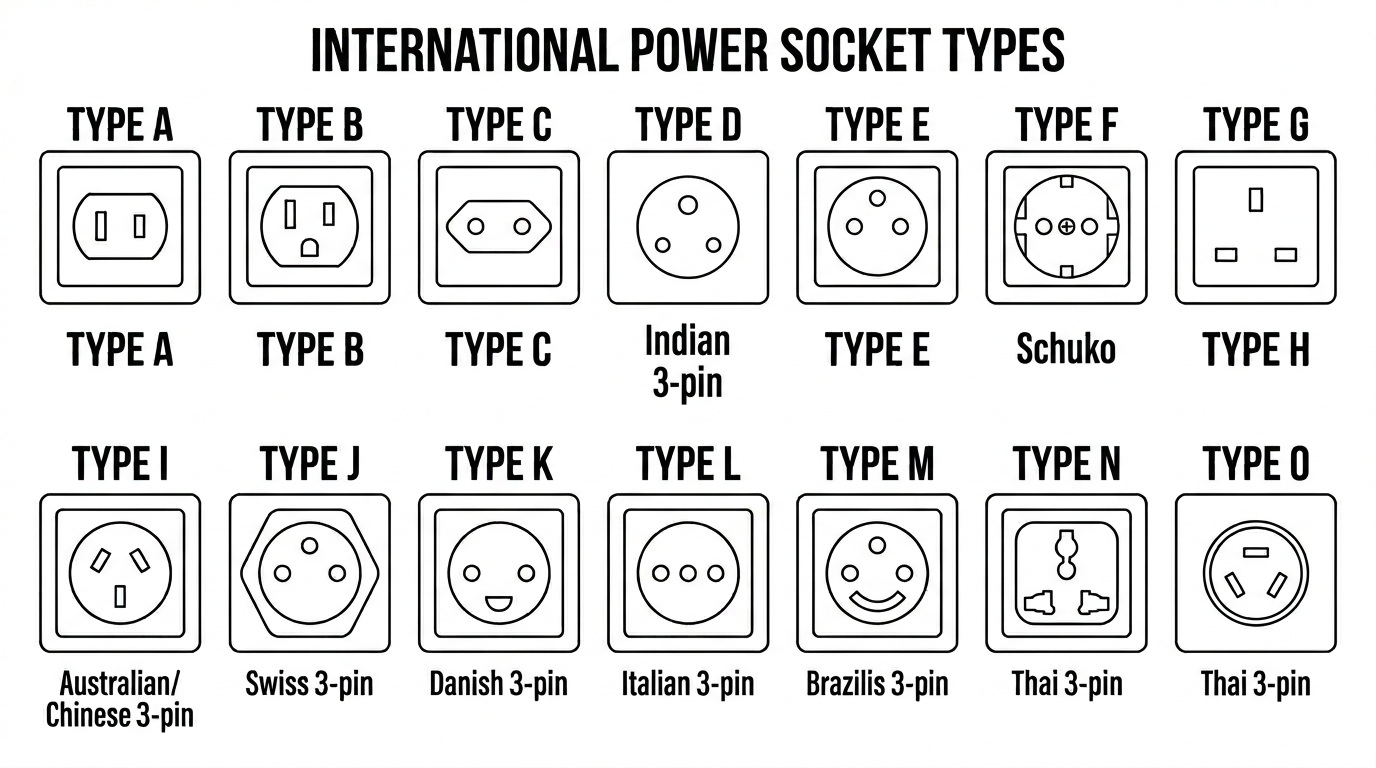
Eluttag
Typ I
Type I (the same three flat-pin plug used in Australia); 240V, 50Hz
Se eluttagen
Dricks
Tipping is not customary or expected and is not part of local culture; in many places it can even cause confusion. High-end resorts and tour operators catering to foreigners may accept tips for exceptional service, but there is no obligation. Agreeing fees clearly in advance for guides, boat drivers and custom landowner access is more important than tipping.
SIM / Data
Digicel is the dominant mobile network with the widest coverage, followed by Vodafone PNG (formerly Telikom/bmobile). Buy a local prepaid SIM and data bundle on arrival (a passport is needed to register it); coverage is good in towns but patchy to nonexistent in remote Highlands and islands. Expect slow speeds and frequent outages, and download maps and bookings offline before heading bush.
Visum
Most visitors need a visa. Many nationalities can obtain a visa on arrival or an eVisa for tourism (typically up to 60 days), but rules vary by nationality and change frequently, so confirm with a PNG diplomatic mission or the official immigration eVisa portal before travel. A passport valid for at least six months, an onward/return ticket and proof of funds are generally required. Some regions (e.g. Bougainville) and certain activities may need additional permits.
Körfält
Left
Hur tar man sig runt i Papua Nya Guinea?
Kollektivtrafik
Urban public transport is mainly informal PMVs (privately run minibuses and trucks following set routes) and taxis. Foreigners are usually advised to avoid PMVs and walking in Port Moresby and Lae for safety reasons, and instead use hotel-arranged vehicles, trusted drivers or company transport. There is no metro, tram or formal city bus network. Carry small kina notes for PMV fares if you do use them with a local guide.
Taxitjänster
- No widely established international ride-hailing app (no Uber/Grab); rely on hotel transfers, reputable local taxi/charter companies and arranged drivers
Intercity
Domestic air travel is essential: PNG has very few connecting roads between major centres and there is no national rail network. Air Niugini and its subsidiary PNG Air link Port Moresby with Lae, Mount Hagen, Goroka, Madang, Kavieng, Rabaul/Kokopo and other hubs; book ahead and expect delays and cancellations. Inter-island and coastal travel relies on banana boats (open dinghies), small ferries and cargo/passenger ships such as those serving Lae-Kimbe-Rabaul; sea conditions and safety standards vary, so choose reputable operators and avoid overloaded boats. Public motor vehicle (PMV) buses and trucks connect towns where roads exist, notably the Highlands Highway, but are crowded and can be risky.
Kultur och seder
Seder
- The wantok system (literally 'one talk' in Tok Pisin) is the bedrock of social life: people share strong obligations of mutual support with those who speak their language or come from their clan. Understanding this helps explain hospitality, reciprocity and local decision-making.
- Always ask permission before photographing people, ceremonies, or village land. Many groups hold strong beliefs about images, and some sacred sites or rituals are off-limits to outsiders or to women.
- Land and reefs are almost always customarily owned, not public. Before hiking, diving, surfing or camping, seek permission from the local landowners and expect to pay a small access or 'custom' fee. Going through a village leader or guide is the polite route.
- Greet elders and 'big men' (community leaders) first and with respect. A handshake is normal; in many Highlands areas men may hold hands or link arms while talking, which is a sign of friendship, not romance.
- Bride price (payment from the groom's family to the bride's clan, often in pigs, shell money and kina) remains a major social institution, especially in the Highlands. Treat it as a serious cultural matter, not a curiosity.
- Modesty is valued, particularly for women. Beachwear stays at the beach or resort; in towns and villages cover shoulders and knees. Public displays of affection are frowned upon.
Klädkod
Casual, modest and lightweight clothing suits the hot, humid tropical climate. Cover shoulders and knees in towns and villages; women should favour skirts/dresses below the knee or loose trousers. Beachwear is for resorts and beaches only. Bring sturdy shoes for trekking (the Kokoda Track and Highlands trails are demanding) and a light rain layer. For sing-sing festivals and church, neat, conservative dress is appreciated.
Religiös etikett
Papua New Guinea is overwhelmingly Christian (mostly various Protestant denominations and Roman Catholic), often blended with traditional Melanesian beliefs. Sundays are widely observed; many businesses close and church attendance is high, so plan travel and shopping around it. Dress modestly and remain quiet and respectful if you visit a service or are invited to one. Traditional spiritual sites, spirit houses (haus tambaran) and certain ceremonies may be restricted, especially to women and outsiders; always ask before entering or photographing. Belief in sorcery and 'sanguma' is real and locally sensitive in parts of the Highlands; never joke about it.
Vanliga uttryck
- Gude / HaloHello / Hi (Tok Pisin)
- Tenkyu (tru)Thank you (very much)
- Yu orait?How are you? / Are you okay?
- Mi laik dispelaI would like this one
- Hamas long en?How much is it?
- Lukim yuSee you / Goodbye
Höjdpunkter
Sport & fritid
Rugby league
Rugby league is a national obsession and effectively the unofficial national sport. Australia's NRL competition is followed with huge passion, and the PNG Hunters and the national team, the Kumuls, command fierce loyalty; match days unite communities across the country. Australian rules football and rugby union also have followings, and the 2015 Pacific Games hosted in Port Moresby were a point of national pride. Beyond organised sport, the real recreational draws for visitors are world-class scuba diving and snorkelling (Kimbe Bay, Milne Bay, Tufi, Rabaul wrecks), surfing on the north coast and islands, birdwatching for birds-of-paradise, and trekking the historic Kokoda Track.
Nationella högtider
- Mid-August
Mount Hagen Cultural Show
One of PNG's largest sing-sing festivals, drawing dozens of Highlands tribes in spectacular feathered headdresses, body paint and traditional dance to the Western Highlands town of Mount Hagen. A photographer's dream and a major showcase of cultural diversity.
- Mid-September
Goroka Show
Held in the Eastern Highlands around PNG's Independence Day, this is the country's most famous cultural show: hundreds of tribal groups perform sing-sings, including the iconic mud-men of Asaro, in a riot of colour and ritual.
- 16 September
Independence Day
Marks PNG's independence from Australia in 1975. Celebrated nationwide with flag-raising ceremonies, sing-sings, sports, feasting and cultural performances; the days around it are a peak festival season.
- Early November
National Mask Festival (Kokopo, East New Britain)
A vivid showcase of mask-making traditions, including the firedance of the Baining people and the secretive Tolai Tubuan/Duk-Duk spirit figures, set on the Gazelle Peninsula near Rabaul.
Ska du till Papua Nya Guinea?
Prova en färdig resa först.
Öppna demoresan utan att registrera dig: Barcelona på egen hand, eller Rom, Florens och Venedig i grupp. Planera sedan Papua Nya Guinea på ditt eget sätt.