
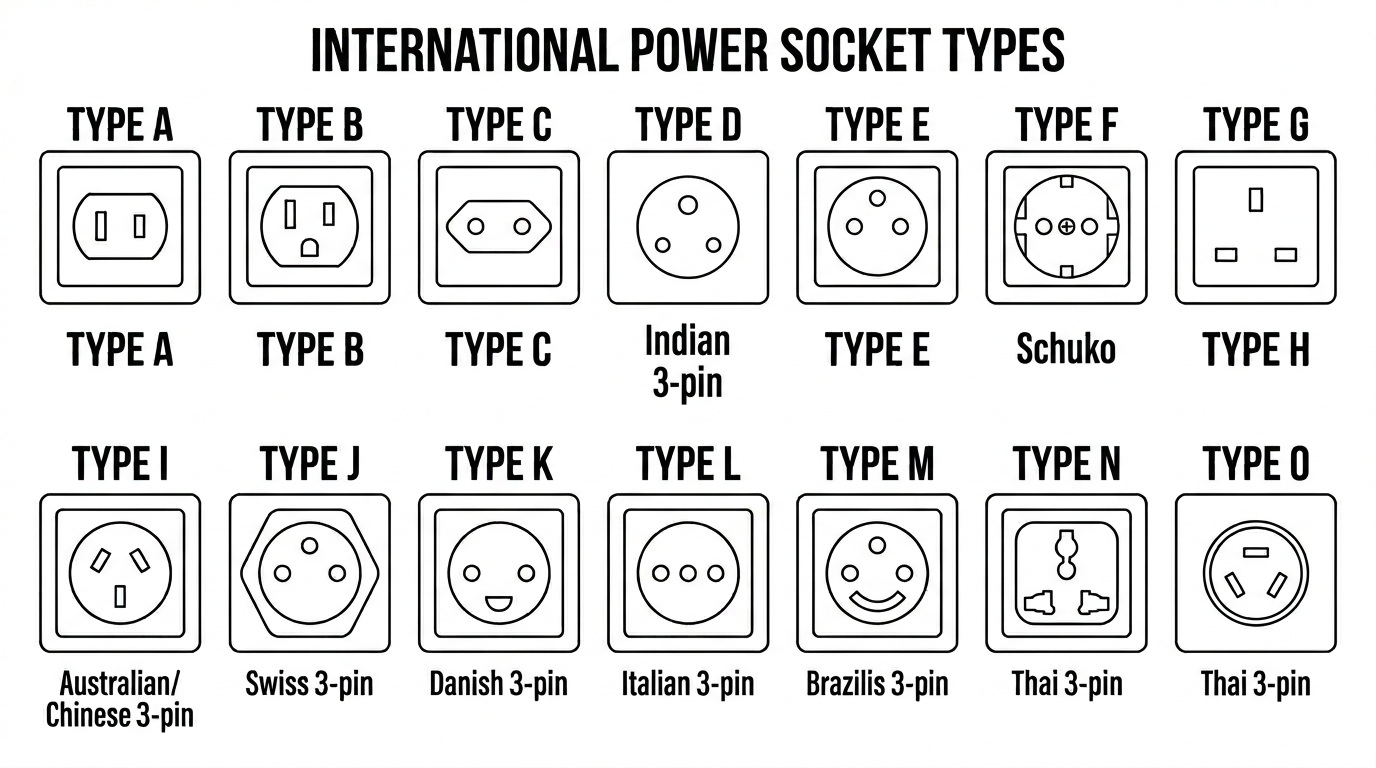
Belgique : monnaie Euro, prises de type E et le 112 en cas d'urgence. Belgium is generally a safe country for travelers.
Numéros d'urgence
Belgique : quel niveau de sécurité ?
- Très sûr
- Généralement sûr
- Prudence recommandée
- Risque élevé
- Dangereux
Belgium is generally a safe country for travelers. However, like any major European destination, be aware of petty crime, especially pickpocketing, in crowded tourist areas, train stations, and public transport.
Avis de voyage (6)
Arnaques
- Pickpocketing in crowded areas (e.g., Grand Place, train stations, markets).
- Begging scams, especially near major attractions.
- Be cautious of individuals offering 'help' with ticket machines or directions, as this can be a distraction for theft.
Avertissements
- Maintain situational awareness in crowded areas and on public transport.
- Secure your belongings, especially passports and wallets.
- Be vigilant in major cities and transport hubs due to general security concerns across Europe.
Infos pratiques
Devise
Euro (EUR)
Prise électrique
Type E
Type E
Voir les prises
Pourboire
Tipping is not obligatory as a service charge is usually included in restaurant and cafe bills. However, rounding up the bill or leaving a small tip (5-10%) for good service is appreciated. For taxis, rounding up is common.
SIM / Data
Local SIM cards are readily available from major providers like Proximus, Orange, and Telenet. You can purchase them at airports, phone stores, or supermarkets. eSIMs are also supported by these providers. Ensure your phone is unlocked.
Visa
Belgium is part of the Schengen Area. Citizens of many countries can enter visa-free for short stays (up to 90 days in any 180-day period). Check specific visa requirements based on your nationality with the Belgian embassy or consulate in your home country before travel.
Sens de conduite
Right-hand side
Belgique : comment se déplacer ?
Transports en commun
Belgium has an excellent and integrated public transport system. Trains (SNCB/NMBS) connect all major cities. Within cities, extensive networks of trams, buses, and metros (in Brussels) are operated by regional companies (STIB/MIVB in Brussels, De Lijn in Flanders, TEC in Wallonia). Tickets can be purchased at stations, kiosks, or via mobile apps.
VTC
- Uber
- Bolt
Intercités
Trains are the most efficient and popular way to travel between Belgian cities. High-speed rail connections also link Belgium to neighboring countries. Buses are available for some routes, particularly in more rural areas or for international travel.
Culture et coutumes
Coutumes
- Punctuality is highly valued in both social and business settings.
- A firm handshake is the common greeting. Friends and family may greet with a kiss on the cheek (usually one, but can vary by region).
- Direct eye contact is common during conversations.
- When invited to someone's home, it's customary to bring a small gift, such as flowers or chocolates.
Code vestimentaire
Dress code is generally smart casual for everyday outings. For upscale restaurants, theaters, or business meetings, a more formal attire might be expected. Modest dress is advisable when visiting religious sites.
Étiquette religieuse
Belgium is historically predominantly Roman Catholic, though secularism is widespread. When visiting churches or other religious sites, dress respectfully, keep noise to a minimum, and avoid disrupting services.
Expressions courantes
- BonjourHello (French)
- GoedendagHello (Dutch)
- MerciThank you (French)
- Dank u welThank you (Dutch)
- S'il vous plaîtPlease (French)
- AlstublieftPlease (Dutch)
- Au revoirGoodbye (French)
- Tot ziensGoodbye (Dutch)
- Parlez-vous anglais?Do you speak English? (French)
- Spreekt u Engels?Do you speak English? (Dutch)
Points forts
Sports & Loisirs
Football (soccer)
Football is by far the most popular sport, with a strong national team ('Red Devils') and a passionate fan base. Cycling is also extremely popular and deeply embedded in Belgian culture, with many famous classic races like the Tour of Flanders. Belgians enjoy both participating in and watching a wide range of sports.
Fêtes nationales
- February/March (exact dates vary before Lent)
Carnival of Binche
A UNESCO-recognized folklore event featuring participants dressed as 'Gilles' who throw oranges to the crowd, known for its unique costumes and traditional music.
- Early July (exact dates vary)
Ommegang in Brussels
A historical pageant and procession that re-enacts the joyous entry of Emperor Charles V into Brussels in 1549, featuring hundreds of participants in historical costumes.
- July 21st
Belgian National Day
Commemorates the enthronement of Leopold I as the first King of the Belgians in 1831. Celebrations include military parades, concerts, fireworks, and public festivities across the country.
Belgique : villes à visiter
Destination Belgique ?
Essayez d'abord un voyage tout prêt.
Ouvrez le voyage de démonstration sans inscription : Barcelone en solo, ou Rome, Florence et Venise en groupe. Puis préparez votre voyage à votre façon, destination Belgique.