
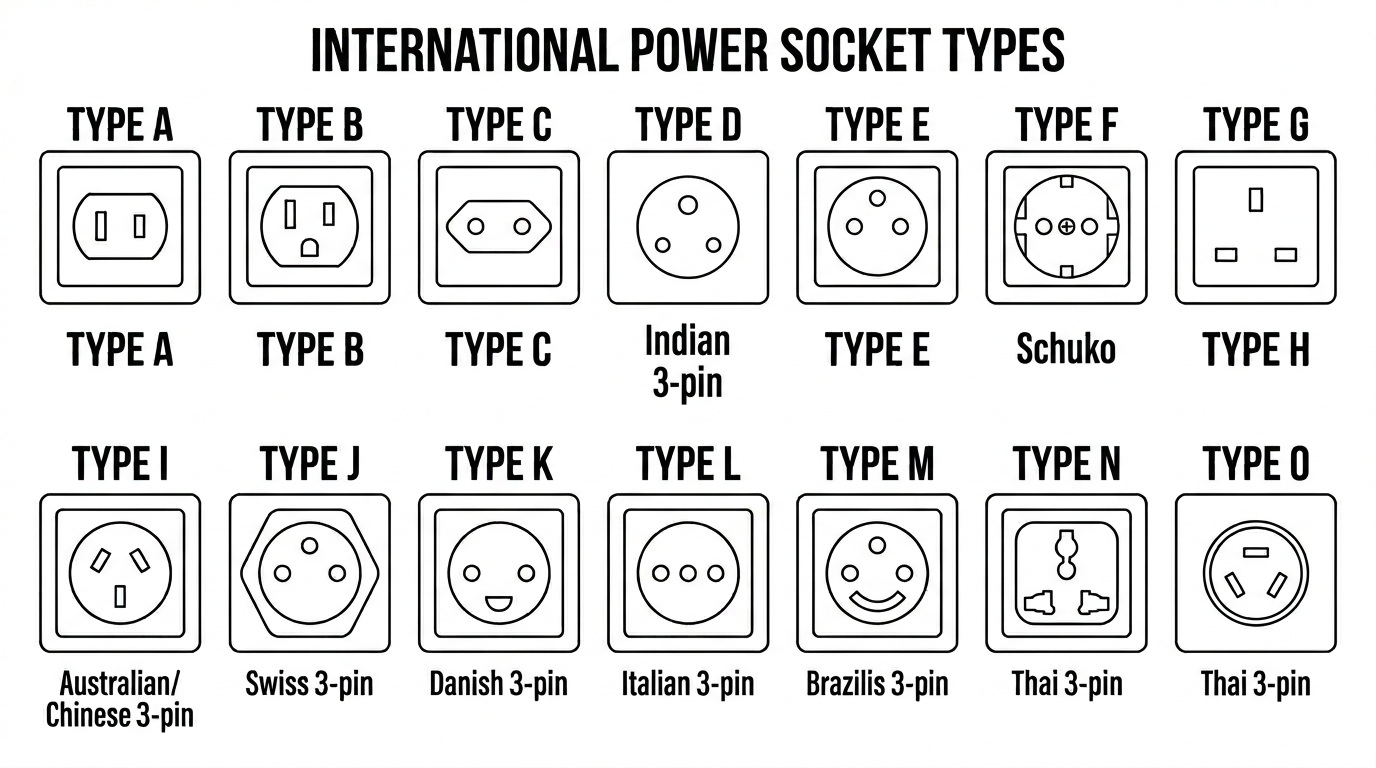
I Romania bruker man Rumensk leu, støpsler av type C og F og 112 ved nødstilfeller. Romania is generally a safe country for tourists, particularly in major cities and popular tourist areas.
Nødnumre
Hvor trygt er Romania?
- Veldig trygt
- Generelt trygt
- Utvis forsiktighet
- Høy risiko
- Farlig
Romania is generally a safe country for tourists, particularly in major cities and popular tourist areas. However, as with any travel destination, it's advisable to remain vigilant, especially in crowded places and at night. Petty crime like pickpocketing can occur.
Reiseråd (6)
Svindel
- Taxi scams: Ensure the meter is used or agree on a fare beforehand. Use ride-hailing apps for transparency.
- Pickpocketing: Common in crowded areas like markets, public transport, and tourist attractions. Keep valuables secure.
- Overpriced services: Be wary of unsolicited offers for tours or services, especially around train stations or tourist hotspots.
Advarsler
- Stray dogs: While less prevalent in urban centers, stray dogs can still be found in some areas, particularly rural ones. Avoid approaching them.
- Road conditions: Some rural roads can be poorly maintained. Driving at night in rural areas can be challenging due to unlit roads and slow-moving vehicles.
- Demonstrations: Political demonstrations can occur in major cities, usually around government buildings. Avoid these areas if they turn disruptive.
Praktisk info
Valuta
Rumensk leu (RON)
Støpsel
Type C og F
Type C and F
Se stikkontaktene
Drikkepenger
Tipping is customary in Romania. In restaurants and bars, a tip of 10% is standard for good service. For taxi drivers, rounding up the fare is common. For hotel staff, a small tip for porters or housekeepers is appreciated.
SIM / Data
Local SIM cards are readily available and affordable. Major providers include Orange, Vodafone, and Digi Mobil. You can purchase them at airports, provider stores, or some kiosks. Ensure your phone is unlocked.
Visum
Romania is a member of the European Union. While not yet fully part of the Schengen Area, it largely follows Schengen visa policies. Citizens of most EU countries, the US, Canada, Australia, and New Zealand do not require a visa for short stays (up to 90 days). Other nationalities should check specific visa requirements with the nearest Romanian embassy or consulate.
Kjøreretning
Right
Hvordan kommer du deg rundt i Romania?
Kollektivtransport
Major cities like Bucharest, Cluj-Napoca, and Timișoara have extensive public transport networks including buses, trams, and trolleybuses. Bucharest also has a metro system (Metrorex) which is efficient for getting around the city. Tickets can be purchased from kiosks or automated machines.
Drosjetjenester
- Uber
- Bolt
- Free Now
Intercity
Trains (CFR Călători) are a popular option for intercity travel, connecting most major cities, though they can sometimes be slow. Buses and minibusses (microbuze) offer more frequent and direct routes to smaller towns. Domestic flights are available between major cities like Bucharest, Cluj-Napoca, and Timișoara for faster travel over long distances. Car rental is also an option for exploring at your own pace.
Kultur og skikker
Skikker
- Hospitality: Romanians are generally very hospitable, especially in rural areas. Accepting offers of food or drink is a sign of respect.
- Greetings: A handshake is the common greeting. For close friends and family, women may kiss on both cheeks.
- Respect for elders: Show respect to older individuals. It's polite to offer your seat to an elder on public transport.
- Gift-giving: If invited to someone's home, a small gift like flowers (an odd number, not chrysanthemums or lilies), chocolates, or a bottle of wine is appreciated.
Dresscode
Dress code is generally casual in daily life. For visiting religious sites like churches or monasteries, it's respectful to dress modestly, covering shoulders and knees. Some formal occasions may require smart casual or business attire.
Religiøs etikette
Romania is predominantly Romanian Orthodox. When visiting churches or monasteries: dress modestly (shoulders and knees covered), speak quietly, do not interrupt services, and typically avoid taking photos during services. It's common for women to cover their heads in some traditional monasteries, though not strictly enforced for tourists in most urban churches.
Vanlige uttrykk
- Bună ziuaGod dag (hei)
- MulțumescTakk
- Vă rogVær så snill/bare hyggelig
- DaJa
- NuNei
- SalutHei (uformell)
- La revedereHa det
Høydepunkter
Sport & fritid
Football (soccer)
Football is by far the most popular sport in Romania, with a passionate fan base. Other popular sports include handball, tennis (Romania has produced several world-class players), and gymnastics. Winter sports like skiing and snowboarding are popular in the Carpathian Mountains, particularly in resorts like Poiana Brașov and Sinaia. Hiking and mountaineering are also prominent recreational activities, especially in national parks.
Nasjonale helligdager
- March 1st
Martisor
A traditional celebration marking the beginning of spring. People exchange 'mărțișoare' – small ornaments tied with red and white strings – as a symbol of good luck and health.
- Varies (typically April or May)
Orthodox Easter
The most important religious holiday in Romania, celebrated with great reverence. Traditions include special church services, decorating eggs, baking 'cozonac' (sweet bread), and a festive family meal. Many businesses close for a few days.
- December 1st
Great Union Day (Ziua Marii Uniri)
Romania's National Day, commemorating the unification of Transylvania, Bessarabia, and Bukovina with the Romanian Kingdom in 1918. Celebrated with military parades, concerts, and public festivities across the country, especially in Alba Iulia.
- December 25th
Christmas (Crăciun)
A major holiday celebrated with family gatherings, traditional meals, caroling ('colinde'), and gift-giving. Many towns host Christmas markets.
Byer – Romania
Planlegger du Romania?
Prøv en ferdig reise først.
Åpne demoreisen uten registrering: Barcelona på egen hånd, eller Roma, Firenze og Venezia i gruppe. Planlegg så Romania på din måte.