
Bulgária usa Bulgarian Lev, tomadas do tipo C e F e o número 112 para emergências. Bulgaria is generally safe for tourists, especially in major cities and popular tourist areas.
Números de emergência
Quão seguro é Bulgária?
- Muito seguro
- Geralmente seguro
- Precaução recomendada
- Alto risco
- Perigoso
Bulgaria is generally safe for tourists, especially in major cities and popular tourist areas. However, petty crime like pickpocketing is common in crowded places. Exercise caution and be aware of your surroundings.
Avisos de viagem (5)
Golpes
- Pickpocketing is prevalent in crowded areas such as public transport, markets, and tourist attractions.
- Taxi scams (overcharging) can occur, especially if you don't use a reputable company or agree on a fare beforehand. Insist on the meter.
- Be wary of card skimming devices at ATMs, particularly in less-frequented locations.
Alertas
- Road conditions can vary significantly; some rural roads may be poorly maintained. Drive defensively.
- Occasional political demonstrations may occur in major cities, especially Sofia. While generally peaceful, they can cause localized disruptions.
Informações práticas
Moeda
Bulgarian Lev (BGN)
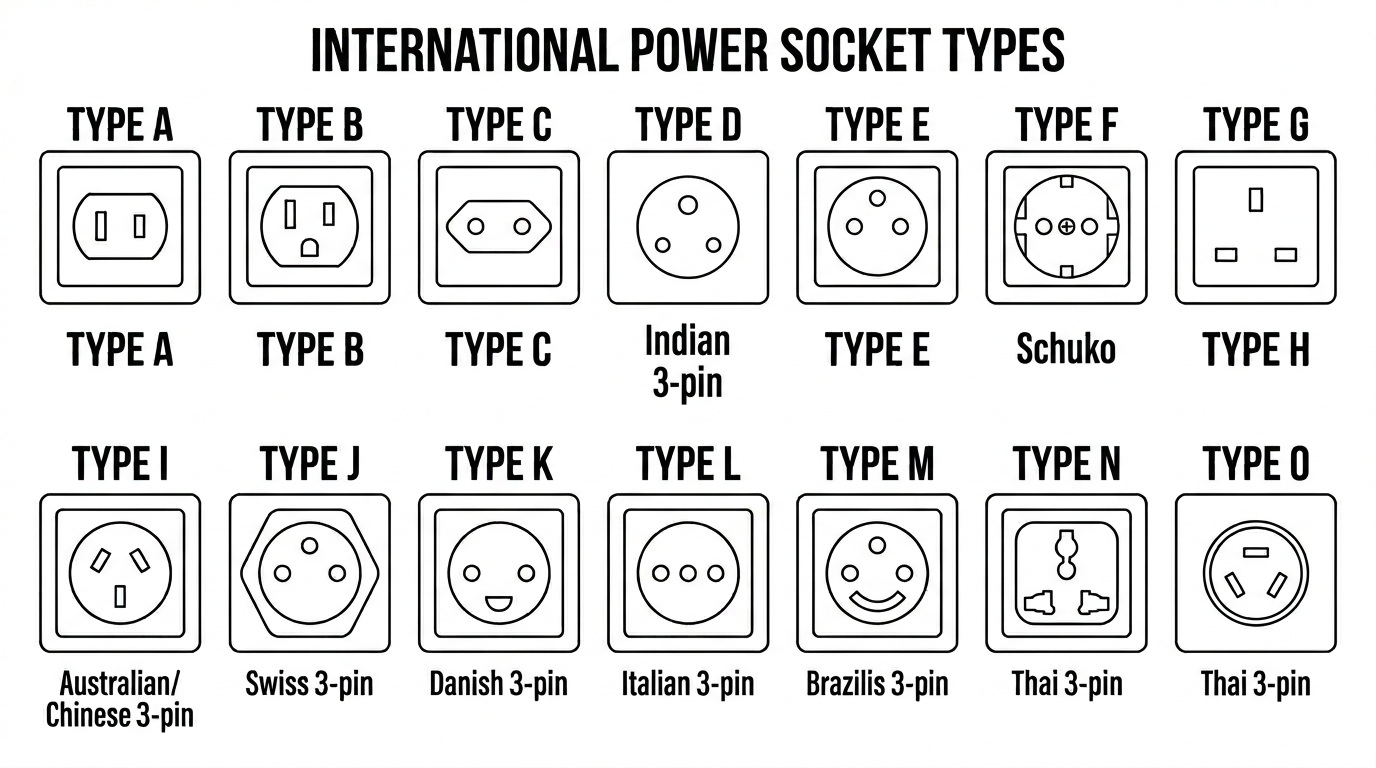
Tomada elétrica
Tipo C e F
Type C, Type F
Ver as tomadas
Gorjeta
Tipping is customary in Bulgaria. In restaurants, bars, and for services, a tip of 10% is appreciated if you are satisfied. For taxi drivers, rounding up the fare is common.
SIM / Dados
Prepaid SIM cards are readily available from major mobile operators like A1, Yettel (formerly Telenor), and Vivacom. You can purchase them at airports, mobile operator stores, or kiosks. An ID (passport) is usually required for registration.
Visto
Citizens of EU/EEA countries and Switzerland do not need a visa. Many other nationalities, including those from the USA, Canada, UK, and Australia, can enter Bulgaria visa-free for stays up to 90 days within a 180-day period. Always check the specific visa requirements for your nationality before traveling.
Lado de condução
Right
Como se locomover por Bulgária?
Transporte público
Major cities like Sofia have efficient public transport systems including buses, trams, and a metro (in Sofia). Tickets can be purchased at kiosks or from drivers. Sofia's metro is modern and a convenient way to get around the city.
Apps de transporte
- TaxiMe
Intercidades
Intercity buses are the most common, efficient, and affordable way to travel between Bulgarian cities and towns, with extensive networks. Trains are also available, generally slower but offer scenic routes and are often cheaper. Car rental is a good option for exploring more remote areas at your own pace.
Cultura e costumes
Costumes
- A common cultural nuance is that Bulgarians often nod their head for 'no' and shake their head for 'yes' (the opposite of many Western cultures). It's important to be aware of this to avoid misunderstandings.
- Hospitality is highly valued; guests are often treated with great warmth and generosity.
- When visiting someone's home, it's customary to remove your shoes at the entrance.
Código de vestimenta
Generally, casual wear is acceptable. However, when visiting religious sites (churches, monasteries) or official institutions, it's advisable to dress modestly, covering shoulders and knees.
Etiqueta religiosa
When entering churches or monasteries, dress respectfully (shoulders and knees covered). Avoid loud conversations and turn off mobile phones. Photography may be restricted in some areas.
Frases comuns
- ЗдравейтеOlá (formal)
- ЗдрастиOi (informal)
- БлагодаряObrigado(a)
- МоляPor favor / De nada
- ДовижданеAdeus
- ДаSim
- НеNão
- ИзвинетеCom licença / Desculpe
Destaques
Desporto e lazer
Football (Soccer)
Football is by far the most popular sport in Bulgaria, with a passionate fan base and several professional leagues. Winter sports like skiing and snowboarding are also very popular, especially in mountain resorts such as Bansko, Borovets, and Pamporovo. Hiking and mountaineering are common recreational activities in the country's scenic national parks.
Festas nacionais
- March 1st
Baba Marta Day (Grandma March Day)
Bulgarians celebrate the arrival of spring by exchanging 'Martenitsi' – small red and white woven tassels or bracelets. These are worn until the wearer sees a stork or a blossoming tree, signifying good health and a new beginning.
- May 6th
St. George's Day (Gergyovden)
A major national holiday, it celebrates St. George, patron saint of shepherds and the army. Traditionally, families gather for feasts featuring roasted lamb, and many Bulgarians named Georgi or Gergana celebrate their name day.
- First weekend of June (various dates in late May/early June)
Rose Festival
Celebrated in the Rose Valley (Kazanlak, Karlovo), this festival honors the Damask rose, a symbol of Bulgaria. It features parades, folk music and dances, and rituals of rose-picking and rose oil distillation.
- Varies (usually April or May)
Easter (Velikden)
The most important religious holiday in Bulgaria, celebrated with great reverence. Traditions include painting and cracking hard-boiled eggs, baking 'kozunak' (sweet bread), and attending midnight church services.
Cidades: Bulgária
Planejando Bulgária?
Experimente primeiro uma viagem pronta.
Abra a viagem de demonstração sem cadastro: Barcelona por conta própria, ou Roma, Florença e Veneza em grupo. Depois, planeje Bulgária do seu jeito.