
Reseguide till Surinam. Viktig reseinformation — nödnummer, säkerhet, valuta, visum, seder och att ta sig runt.
Nödnummer
Hur säkert är Surinam?
- Mycket säkert
- Generellt säkert
- Var försiktig
- Hög risk
- Farligt
Suriname is generally one of the safer countries in South America for travelers, with a stable democracy and a welcoming, multicultural population. Most visits are trouble-free, though petty crime occurs in the capital, Paramaribo. Exercise increased caution due to street crime in certain urban areas after dark, and take normal precautions in remote interior regions where infrastructure and emergency services are limited.
Reseaviseringar (7)
Bedrägerier
- Unofficial money changers ("cambistas") near markets and the central market in Paramaribo may offer attractive exchange rates but shortchange tourists or pass counterfeit notes; use licensed cambios or banks.
- Unlicensed taxis at Johan Adolf Pengel International Airport sometimes quote inflated fares; agree on a price before departing or use a vetted hotel transfer, as taxis are unmetered.
- Some interior tour operators advertise jungle and resort packages online that do not match reality; book river lodges and Brownsberg/Galibi trips through established, registered agencies.
- Overpriced 'guides' may approach independent travelers near tourist sites or the Waterkant offering services and then demand far more than agreed afterward.
Varningar
- Avoid back streets of Paramaribo, especially Palmentuin park and the Waterkant area, after dark due to muggings.
- Roads in the interior are largely unpaved and become impassable in the rainy season; river travel can be hazardous and many boats lack life jackets.
- Malaria is present in the interior and border regions; dengue, Zika, and yellow fever risk exists, and yellow fever vaccination is required for many travelers.
Praktisk info
Valuta
Surinamese dollar (SRD)
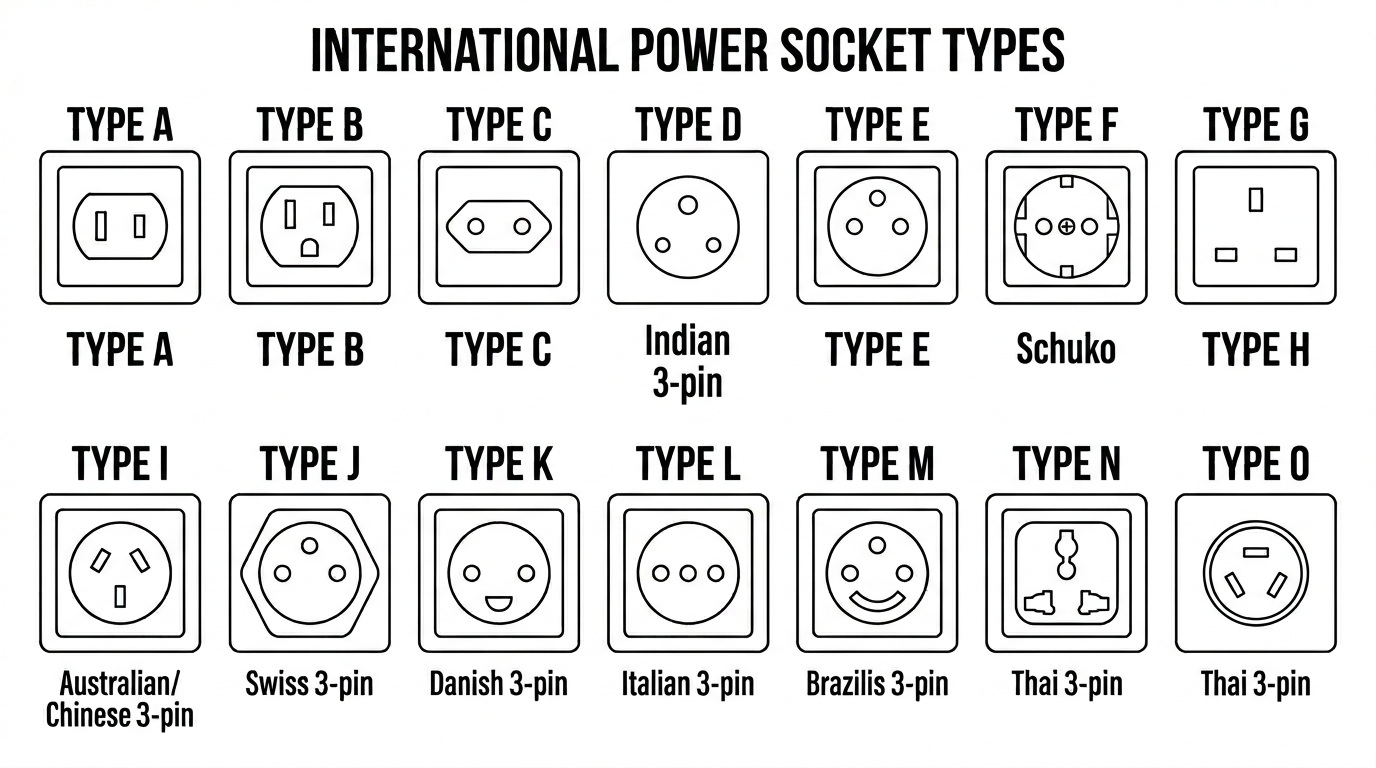
Eluttag
Typ C och F
Types C and F, 127V/220V, 60Hz (older areas may use 127V; many newer installations use 220V)
Se eluttagen
Dricks
Tipping is appreciated but not strictly obligatory. A service charge is sometimes included in restaurant bills; if not, rounding up or leaving around 5-10% is generous. Small tips for guides, drivers, and hotel staff are welcome, especially on interior tours.
SIM / Data
The main mobile operators are Telesur and Digicel; prepaid SIM cards with data are inexpensive and sold at provider shops, the airport, and many stores. Bring an unlocked phone and a passport for registration. Coverage is good in Paramaribo and along the coast but sparse to nonexistent deep in the interior.
Visum
Many nationalities can enter Suriname using a Tourist Card or e-Visa obtained online before arrival; some countries within CARICOM and a few others enjoy visa-free entry. A passport valid for at least six months is required. Requirements change, so confirm the current Tourist Card / e-Visa rules with a Surinamese embassy or the official e-visa portal before travel.
Körfält
Left
Hur tar man sig runt i Surinam?
Kollektivtrafik
Paramaribo and the coast are served by privately run minibuses and government buses; minibuses are cheap but crowded and run on informal schedules. There is no rail or metro system. Within the capital, shared and private taxis are common but unmetered, so always agree a fare before getting in.
Taxitjänster
- No widely established international ride-hailing apps (Uber/Bolt are not operational); travelers rely on local taxi companies booked by phone or via hotels
- Local taxi services and WhatsApp-based bookings are common
Intercity
Most population centers lie along the paved coastal east-west highway connecting Paramaribo to Nieuw-Nickerie (west) and Albina (east, near the French Guiana border). Long-distance minibuses and taxis link these towns. Travel into the interior is mainly by dugout canoe (korjaal) along rivers or by small chartered aircraft to airstrips, as roads are unpaved and seasonal.
Kultur och seder
Seder
- Suriname is strikingly multicultural; Hindustani, Javanese, Maroon, Creole, Indigenous, Chinese, and European communities coexist, and respecting all religious and ethnic traditions is central to local etiquette.
- Greetings are warm and unhurried; a handshake is standard, and taking time for small talk before business is appreciated. Dutch is the official language but Sranan Tongo is the common lingua franca on the street.
- When visiting someone's home, removing your shoes is customary in many Hindustani and Javanese households; wait to be invited in and accept offered food or drink as a sign of respect.
- Sharing food is a major part of social life; Surinamese cuisine blends Indian roti, Indonesian nasi and bami, Creole stews, and Chinese dishes, and refusing food outright can be seen as impolite.
- Photography of people, especially in Maroon and Indigenous villages in the interior, should always be preceded by asking permission; some communities have spiritual restrictions on images.
- Punctuality is fairly relaxed in social settings, and a friendly, easygoing demeanor ('switi Sranan' - sweet Suriname) is valued over rushing.
Klädkod
Dress is casual and lightweight due to the hot, humid tropical climate, but Surinamese tend to dress neatly in towns. Modest clothing covering shoulders and knees is appropriate when visiting mosques, temples, churches, and rural villages. Beachwear should be kept to resorts and riverside areas.
Religiös etikett
Suriname is religiously diverse, home to Hinduism, Islam, Christianity, Javanese Islam and Kejawen, and Indigenous and Maroon spiritual traditions, often side by side (a mosque and synagogue famously stand next to each other in Paramaribo). Remove shoes and dress modestly before entering mosques and Hindu temples; cover the head where requested. Be respectful and quiet during prayers and ceremonies, ask before photographing inside places of worship, and avoid stepping on or pointing your feet toward religious objects.
Vanliga uttryck
- Fa waka?How are you? / How's it going? (Sranan Tongo)
- OdiHello / Hi (Sranan Tongo greeting)
- GrantangiThank you very much (Sranan Tongo)
- Dank u welThank you (Dutch)
- SwitiSweet / nice / lovely (common term of approval)
- Tot ziensGoodbye (Dutch)
Höjdpunkter
Sport & fritid
Football (soccer)
Football is the most popular sport, and Suriname has a deep connection to football through the many players of Surinamese descent who have starred for the Netherlands national team (such as Ruud Gullit, Frank Rijkaard, Edgar Davids, and Clarence Seedorf). The national team, the Natio, competes in CONCACAF and reached the Gold Cup. Basketball and athletics are also followed, and outdoor recreation centers on the rivers and rainforest: fishing, birdwatching, jungle hikes at Brownsberg, and sea-turtle watching at Galibi are popular pursuits.
Nationella högtider
- November 25
Independence Day (Srefidensi)
Marks Suriname's independence from the Netherlands in 1975, celebrated nationwide with parades, music, flag ceremonies, and festivities, especially in Paramaribo.
- Around March (varies)
Holi Phagwa (Holi)
The exuberant Hindu festival of colors brought by the Hindustani community, celebrated with crowds throwing colored powder and water, music, and dancing; a public holiday marking the arrival of spring.
- July 1
Keti Koti (Emancipation Day)
Commemorates the abolition of slavery in 1863 ('keti koti' means 'the chains are broken' in Sranan Tongo), celebrated with traditional Afro-Surinamese dress, drumming, dance, and the Owru Banya remembrance.
- Variable (Islamic calendar)
Eid al-Fitr (Id-ul-Fitre)
Marks the end of Ramadan and is a public holiday reflecting Suriname's significant Muslim Javanese and Hindustani communities, observed with prayers, family gatherings, and feasting.
Ska du till Surinam?
Prova en färdig resa först.
Öppna demoresan utan att registrera dig: Barcelona på egen hand, eller Rom, Florens och Venedig i grupp. Planera sedan Surinam på ditt eget sätt.