
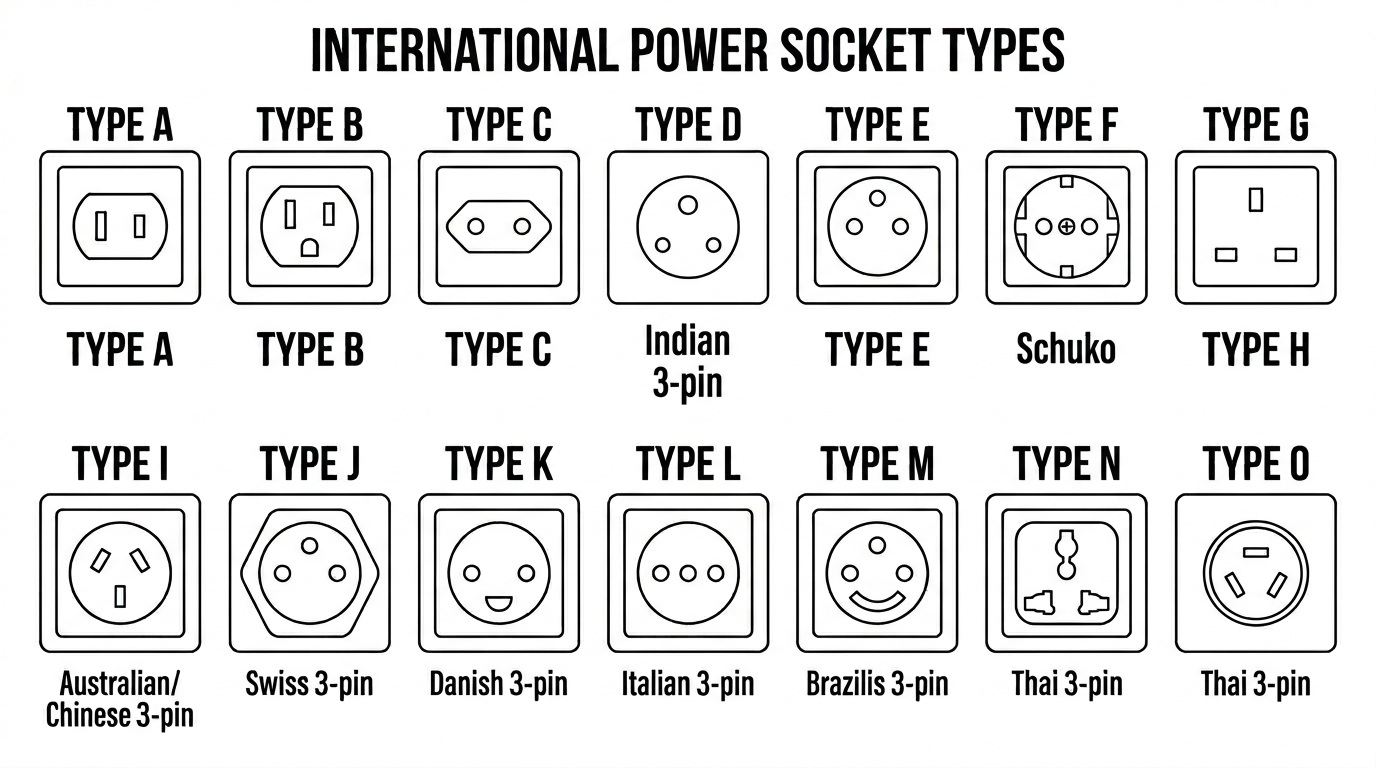
Tonga uses the Tongan paʻanga, type I plugs and 911 for emergencies. Tonga is one of the safest destinations in the Pacific, with very low rates of violent crime against tourists and a famously friendly, community-oriented population.
Emergency Numbers
How safe is Tonga?
- Very Safe
- Generally Safe
- Exercise Caution
- High Risk
- Dangerous
Tonga is one of the safest destinations in the Pacific, with very low rates of violent crime against tourists and a famously friendly, community-oriented population. The main risks are natural rather than criminal: Tonga lies in a cyclone belt (wet season roughly November-April), sits on the seismically active Pacific 'Ring of Fire' with earthquake and tsunami potential, and has active volcanoes such as Hunga Tonga-Hunga Ha'apai, which erupted catastrophically in January 2022. Petty theft of unattended valuables occurs, roads and lighting are poor, and medical facilities are very limited, so comprehensive travel insurance with evacuation cover is essential. Use common sense, secure your belongings, and heed all tsunami and cyclone warnings.
Advisories (7)
Scams
- Overcharging tourists for taxis, which are unmetered. Always agree the fare before getting in, and ask your hotel for typical rates between common destinations such as the airport and Nuku'alofa.
- Whale-swimming tour operators of variable quality and legality. Book only licensed operators with small group sizes and trained guides; cheap unlicensed boats may breach Tonga's strict whale-interaction rules and put you and the animals at risk.
- Inflated or duplicated charges on rental vehicles and 'damage' claims. Photograph any scooter or car thoroughly before hire, keep all paperwork, and be wary of operators pressuring you to skip the local Tongan driving permit.
- Informal 'guides', accommodation or tours offered online or on arrival that are not registered. Pay deposits only to established businesses and confirm bookings directly with the operator.
Warnings
- Heed official warnings during cyclone season (November-April) and after any earthquake; know your nearest high ground for tsunami evacuation.
- Volcanic and seismic activity can disrupt travel and communications; the 2022 Hunga Tonga eruption and tsunami caused major damage and a national communications blackout.
- Medical facilities are basic and serious cases require costly air evacuation to New Zealand or Australia, so carry insurance covering medical evacuation.
Practical Info
Currency
Tongan paʻanga (TOP)
Power Plug
Type I
Type I (the same three-flat-pin plug used in Australia and New Zealand); 240V, 50Hz
See the sockets
Tipping
Tipping is not a Tongan custom and is not expected; service is offered out of hospitality rather than for reward. It is fine to round up or leave a little for exceptional service at tourist-oriented restaurants or for guides, but never feel obliged.
SIM / Data
Local SIM and data are inexpensive from Digicel and TCC (Tonga Communications Corporation), with shops in Nuku'alofa and counters near Fua'amotu International Airport; bring an unlocked phone and your passport to register. Coverage is good on Tongatapu and main island groups but patchy on outer islands, and connectivity can be vulnerable to outages after seismic events, so download maps offline.
Visa
Most visitors receive a free Visitor's Visa on arrival for stays of up to 31 days, provided they hold a passport valid for at least six months beyond the stay and a confirmed onward or return ticket (and often proof of sufficient funds and accommodation). Extensions are possible through the Immigration Division in Nuku'alofa. Always confirm current requirements for your nationality with an official Tongan source before travel.
Driving Side
Left
How do you get around Tonga?
Public Transport
On Tongatapu, infrequent local buses (small, often colourfully decorated minibuses) run between Nuku'alofa and outlying villages, mostly in the mornings and almost never on Sundays. Service is informal, so confirm times locally. Many travelers rely on taxis or rental vehicles instead.
Ride-hailing
- No international ride-hailing apps such as Uber, Bolt or Grab operate in Tonga; arrange unmetered taxis by phone, through your hotel, or at ranks, agreeing the fare in advance
Intercity
Tonga is an archipelago of four main island groups, so most travel between them is by air or sea. Lulutai Airlines operates domestic flights from Tongatapu (Fua'amotu) to Vava'u, Ha'apai, 'Eua and the Niuas, though schedules can change at short notice. Inter-island ferries (such as services to 'Eua and the northern groups) are cheaper but slow, weather-dependent and can be rough; check the latest seaworthiness and safety record before booking.
Culture and customs
Customs
- Sunday is a sacred day of rest enshrined in the Tongan constitution. Almost all shops, restaurants and businesses close, no flights operate, and activities such as working, swimming for sport, fishing, dancing and playing loud music are discouraged or even illegal. Plan your sightseeing for Monday-Saturday and use Sunday for church and rest.
- Tongan society is deeply hierarchical and respect (faka'apa'apa) is paramount. Lower your head and body when passing in front of seated elders or chiefs, and never stand taller than someone of higher rank if you can avoid it.
- Modesty is expected, especially away from beaches and resorts. Both men and women cover shoulders and knees in towns, churches and villages; many Tongans wear a ta'ovala (woven waist mat) over their clothes for formal occasions and church.
- The kava ceremony is central to social and ceremonial life. If invited to drink kava (a mild, earthy root drink served from a communal bowl), accept graciously, clap once before drinking, and drink in one go before passing the cup back.
- Generosity and sharing food are core values. If you visit a Tongan home you will be offered an abundant meal; refusing food outright can cause offense, so accept at least a little. Bring a small gift in return.
- Public displays of affection are frowned upon, and topless or nude sunbathing is unacceptable anywhere. Keep romantic gestures private.
Dress Code
Conservative and modest. In Nuku'alofa, villages and especially churches, cover your shoulders and knees; women should avoid shorts, short skirts and revealing tops, and men should wear a shirt in town. Swimwear is fine on resort beaches but Tongans often swim fully clothed, particularly on Sundays. For church, smart, modest clothing in dark colors is appreciated.
Religious Etiquette
Tonga is overwhelmingly Christian (largely Wesleyan/Methodist and Free Church of Tonga, with Catholic, Mormon and other denominations) and faith permeates daily life. Sunday observance is strict and protected by law. Dress modestly in and near churches, remove hats inside, stay quiet and respectful during the many sung services, and ask permission before photographing worshippers. Visitors are warmly welcomed to attend church to hear the renowned Tongan choral singing, but should sit at the back and follow the congregation's lead.
Common Phrases
- Mālō e leleiHello / Greetings (literally 'thank you for being well')
- MālōThank you
- Mālō 'aupitoThank you very much
- 'Io / 'IkaiYes / No
- Fēfē hake?How are you?
- 'Alu ā / Nofo āGoodbye (said by the one leaving / by the one staying)
Highlights
Sports & Recreation
Rugby union
Rugby is a national passion and a source of immense pride; the national team, the 'Ikale Tahi (Sea Eagles), plays in the Rugby World Cup, and Tonga produces an outsized number of professional players for clubs and national teams in New Zealand, Australia, Japan and Europe. Village rugby matches draw enthusiastic crowds, and a casual knowledge of the game is a great conversation starter, though no sport is played publicly on Sundays. Beyond rugby, Tonga's waters are world-renowned for swimming alongside migrating humpback whales (July-October), plus diving, snorkeling, surfing and sport fishing.
National Festivals
- Late June to early July (around 27 June - 5 July)
Heilala Festival
Tonga's biggest cultural celebration, named after the national heilala flower and timed around the King's official birthday. Held mainly in Nuku'alofa, it features traditional dancing, brass bands, the Miss Heilala pageant, float parades, feasts and craft markets over one to three weeks.
- 4 July (King's official birthday holiday)
King's Birthday
A major public holiday honoring the reigning monarch (King Tupou VI). Celebrated with church services, feasts and festivities, and closely tied to the Heilala Festival period; the king's actual birthday is 12 July.
- 4 June
Emancipation Day
Commemorates King George Tupou I's 1862 emancipation that freed commoners from the feudal control of chiefs. Marked as a national holiday celebrating Tongan freedom and the founding of the modern kingdom.
- 4 November
Constitution Day
Celebrates the granting of Tonga's constitution by King George Tupou I in 1875, a foundation of the modern nation. Observed as a national public holiday.
Planning Tonga?
Try a ready-made trip first.
Open the demo trip with no sign-up: Barcelona on your own, or Rome, Florence and Venice as a group. Then plan Tonga your way.