
Turkey uses the Turkish Lira, type C and F plugs and 112 for emergencies. Turkey is generally safe for tourists, especially in major cities and popular tourist regions.
Emergency Numbers
How safe is Turkey?
- Very Safe
- Generally Safe
- Exercise Caution
- High Risk
- Dangerous
Turkey is generally safe for tourists, especially in major cities and popular tourist regions. However, like any country, petty crime can occur. Be aware of your surroundings, especially in crowded areas and at night. Political demonstrations can occur, and it's advisable to avoid them.
Advisories (8)
Scams
- Taxi drivers overcharging or taking longer routes, insist on using the meter or agree on a price beforehand.
- Fake carpet sellers or tour guides luring tourists into shops for high-pressure sales.
- Shoe shine scams where a brush is 'accidentally' dropped in front of you, and then they insist on shining your shoes for an exorbitant price.
- Restaurant scams with inflated bills, always check the menu and prices carefully.
Warnings
- Be aware of the risk of earthquakes, especially in western and central Turkey.
- Exercise increased caution near the Syrian and Iraqi borders due to security concerns.
- Avoid large gatherings and political demonstrations.
- Stay informed about local news and follow advice from local authorities.
Practical Info
Currency
Turkish Lira (TRY)
Power Plug
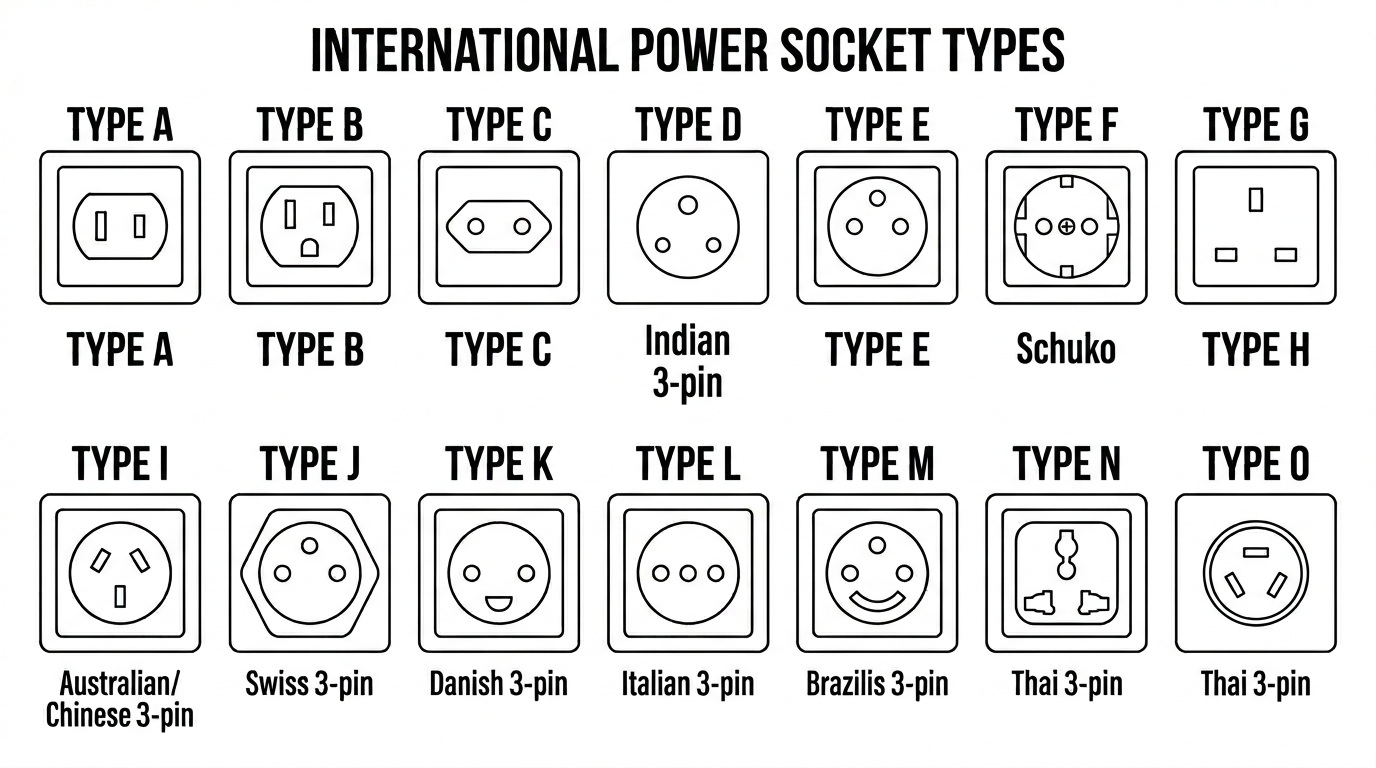
Type C and F
Type C and Type F (two round pins)
See the sockets
Tipping
Tipping is customary in Turkey. In restaurants, 5-10% is appreciated for good service. For taxi drivers, rounding up the fare is common. For hotel staff, a small tip (e.g., 5-10 TRY) for porters or housekeepers is appropriate.
SIM / Data
Local SIM cards are readily available from major providers like Turkcell, Vodafone, and Türk Telekom at airports, official stores, and some kiosks. Bring your passport for registration. Tourist SIM packages often include data, calls, and texts. Be aware that phones purchased outside Turkey may be blocked after a certain period (e.g., 120 days) unless registered with a Turkish IMEI. An eSIM might be a more convenient option for short visits.
Visa
Many nationalities require an e-Visa which can be obtained online prior to arrival. Some countries are visa-free for short stays. Check the official Turkish e-Visa website or consult your local Turkish embassy/consulate for specific requirements based on your nationality.
Driving Side
Right
How do you get around Turkey?
Public Transport
Major cities like Istanbul, Ankara, and Izmir have extensive public transport networks including metros, trams, buses, and ferries (especially in Istanbul). Istanbulkart is a rechargeable card used across all public transport. Public transport is generally efficient and affordable.
Ride-hailing
- BiTaksipopular local taxi app
- Uberoperates in some cities, often integrating with local taxis
Intercity
Turkey has an excellent intercity bus network, which is the most common and affordable way to travel between cities. High-speed trains (Yüksek Hızlı Tren - YHT) connect major cities like Ankara, Istanbul, Eskişehir, and Konya. Domestic flights are also a popular and time-saving option for longer distances, with Turkish Airlines and Pegasus Airlines being major carriers.
Culture and customs
Customs
- Hospitality is highly valued; Turks often offer tea or coffee as a sign of welcome.
- Always remove your shoes before entering a private home or a mosque.
- Bargaining is common and expected in markets (bazaars) but not in shops with fixed prices.
- Show respect for elders.
- Do not point with your finger; a gentle nod or open hand gesture is preferred.
Dress Code
In general, casual wear is acceptable. However, when visiting mosques or religious sites, women should cover their heads, shoulders, and knees, and men should wear long trousers. Modest dress is appreciated in conservative areas.
Religious Etiquette
Turkey is a secular country, but Islam is the predominant religion. When visiting mosques, women should cover their heads and wear loose-fitting clothes that cover arms and legs. Men should wear long trousers. Everyone must remove their shoes before entering. Be respectful during prayer times (ezan) and avoid loud conversations or disruptive behavior.
Common Phrases
- MerhabaHello
- Teşekkür ederimThank you
- LütfenPlease
- EvetYes
- HayırNo
- Nasılsınız?How are you?
- Güle güleGoodbye (said by the person staying)
- Hoşça kalGoodbye (said by the person leaving)
Highlights
Sports & Recreation
Football (soccer)
Football is by far the most popular sport, with a passionate fan base and rivalries between major clubs like Galatasaray, Fenerbahçe, and Beşiktaş. Traditional oil wrestling (Yağlı Güreş) is also culturally significant. Basketball and volleyball also have a strong following.
National Festivals
- October 29
Republic Day (Cumhuriyet Bayramı)
Commemorates the proclamation of the Republic of Turkey in 1923. Celebrated with parades, fireworks, and national festivities across the country.
- Varies (Islamic lunar calendar)
Ramadan Feast (Eid al-Fitr / Ramazan Bayramı)
Marks the end of the Islamic holy month of Ramadan. A three-day public holiday where families gather, exchange gifts, and visit cemeteries. Known as 'Şeker Bayramı' (Sugar Feast) due to the tradition of offering sweets.
- Varies (Islamic lunar calendar)
Sacrifice Feast (Eid al-Adha / Kurban Bayramı)
The second major Islamic holiday, commemorating Abraham's willingness to sacrifice his son. A four-day public holiday involving animal sacrifice, sharing meat with family, friends, and the needy, and family visits.
- April 23
National Sovereignty and Children's Day (Ulusal Egemenlik ve Çocuk Bayramı)
A unique holiday dedicated to children, commemorating the first gathering of the Grand National Assembly of Turkey in 1920. Celebrated with children's festivals, performances, and parades.
Cities in Turkey
Planning Turkey?
Try a ready-made trip first.
Open the demo trip with no sign-up: Barcelona on your own, or Rome, Florence and Venice as a group. Then plan Turkey your way.