
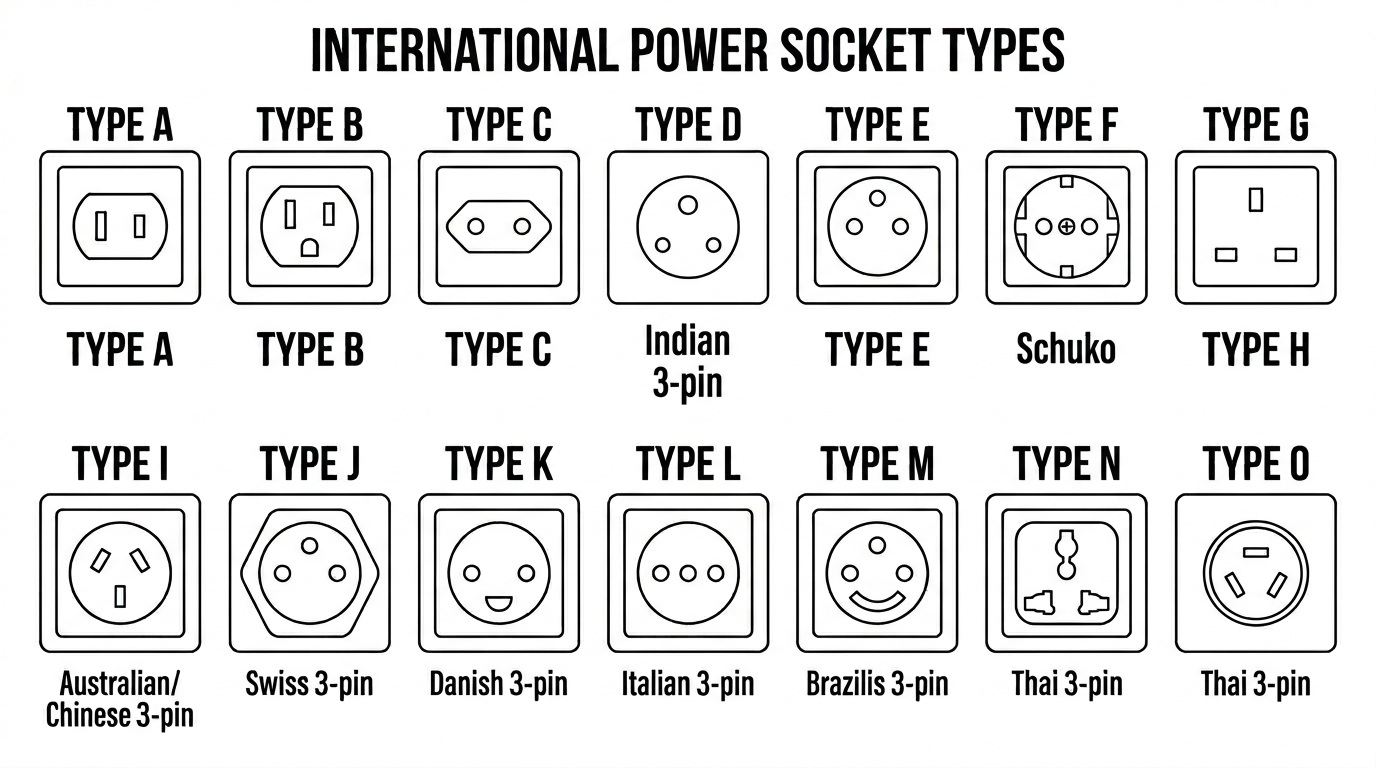
Argentina uses the Argentine Peso, type C and I plugs and 911 for emergencies. Argentina is generally safe for tourists, especially in major cities and popular tourist destinations.
Emergency Numbers
How safe is Argentina?
- Very Safe
- Generally Safe
- Exercise Caution
- High Risk
- Dangerous
Argentina is generally safe for tourists, especially in major cities and popular tourist destinations. However, petty crime like pickpocketing and bag snatching is common, particularly in crowded areas, public transport, and tourist hotspots. Be vigilant of your belongings.
Advisories (7)
Scams
- Fake police officers asking for documents or money.
- Distraction techniques (e.g., spilling something on you, then pickpocketing while you clean up).
- Taxi scams (e.g., overcharging, taking longer routes, or switching out real currency for fake bills). Always use official taxis or ride-hailing apps.
- Bracelet or string scams where vendors forcefully tie an item onto you and then demand payment.
Warnings
- Demonstrations and protests can occur, especially in Buenos Aires, which may cause disruptions to traffic and public services. Avoid large gatherings and monitor local news.
- Economic instability can lead to rapid changes in prices and availability of certain goods or services.
- Be cautious when withdrawing money from ATMs, especially at night. Opt for ATMs inside banks or well-lit, secure locations.
Practical Info
Currency
Argentine Peso (ARS)
Power Plug
Type C and I
Type C (2-pin round) and Type I (3-pin flat diagonal)
See the sockets
Tipping
Tipping is customary but not mandatory. In restaurants, 10% is appreciated if service is good. For taxis, rounding up the fare is common. For hotel staff, a small amount (e.g., 50-100 ARS) for porters or housekeepers is appropriate.
SIM / Data
Prepaid SIM cards are readily available from major providers like Claro, Movistar, and Personal. You will need your passport to register. Coverage is generally good in urban areas.
Visa
Many nationalities, including citizens of the US, Canada, EU countries, Australia, and New Zealand, do not require a visa for tourist stays of up to 90 days. Always check the latest requirements based on your nationality with the Argentine embassy or consulate before traveling.
Driving Side
Right
How do you get around Argentina?
Public Transport
Buenos Aires has an extensive public transport system including the 'Subte' (subway), an extensive bus network ('colectivos'), and commuter trains. You'll need a 'SUBE' card for all public transport in Buenos Aires and other major cities. Intercity buses are a popular and comfortable way to travel long distances.
Ride-hailing
- Uber
- Cabify
- Didi
Intercity
Long-distance buses are the primary mode of intercity travel, offering various comfort levels from economy to cama (sleeper) services. Domestic flights are available for covering vast distances quickly, especially to Patagonia or other remote regions. Trains are less developed for long-distance travel, but some scenic routes exist.
Culture and customs
Customs
- Greetings: Argentinians typically greet with one kiss on the right cheek, even among men and women who are meeting for the first time. A handshake is also acceptable in more formal settings.
- Meal times: Dinner is usually eaten quite late, often after 9 PM or even later on weekends.
- Mate: Sharing mate (a traditional herbal infusion) is a common social ritual. If offered, accept it and pass it back to the server when finished.
- Personal space: Argentinians generally have a smaller personal space bubble compared to some Western cultures.
Dress Code
Dress is generally casual but smart-casual for evenings out, especially in Buenos Aires. For visiting churches or religious sites, modest attire is appreciated.
Religious Etiquette
Argentina is predominantly Roman Catholic. When visiting churches, dress respectfully (shoulders and knees covered) and maintain a quiet demeanor during services. Photography may be restricted during mass.
Common Phrases
- HolaHello
- GraciasThank you
- Por favorPlease
- ¿Cuánto cuesta?How much does it cost?
- Habla inglés?Do you speak English?
- PermisoExcuse me (to pass through)
- Lo sientoI'm sorry
Highlights
Sports & Recreation
Football (Soccer)
Football is a national obsession in Argentina, deeply ingrained in its culture. Matches are vibrant events, and conversations about local clubs (like Boca Juniors and River Plate) and national heroes (Maradona, Messi) are common. Polo is also a very popular and prestigious sport, along with rugby.
National Festivals
- February/March (movable date, before Lent)
Carnival (Carnaval)
Celebrated with parades, music, dancing, and water fights across the country, with Gualeguaychú and Corrientes hosting some of the most famous celebrations.
- May 25
Día de la Revolución de Mayo (May Revolution Day)
Commemorates the formation of the First National Government in 1810, leading to independence. Celebrated with parades, historical reenactments, and traditional food like locro and empanadas.
- July 9
Día de la Independencia (Independence Day)
Marks Argentina's declaration of independence from Spain in 1816. Celebrations include military parades, flag ceremonies, and public festivities throughout the country.
Cities in Argentina
Planning Argentina?
Try a ready-made trip first.
Open the demo trip with no sign-up: Barcelona on your own, or Rome, Florence and Venice as a group. Then plan Argentina your way.