
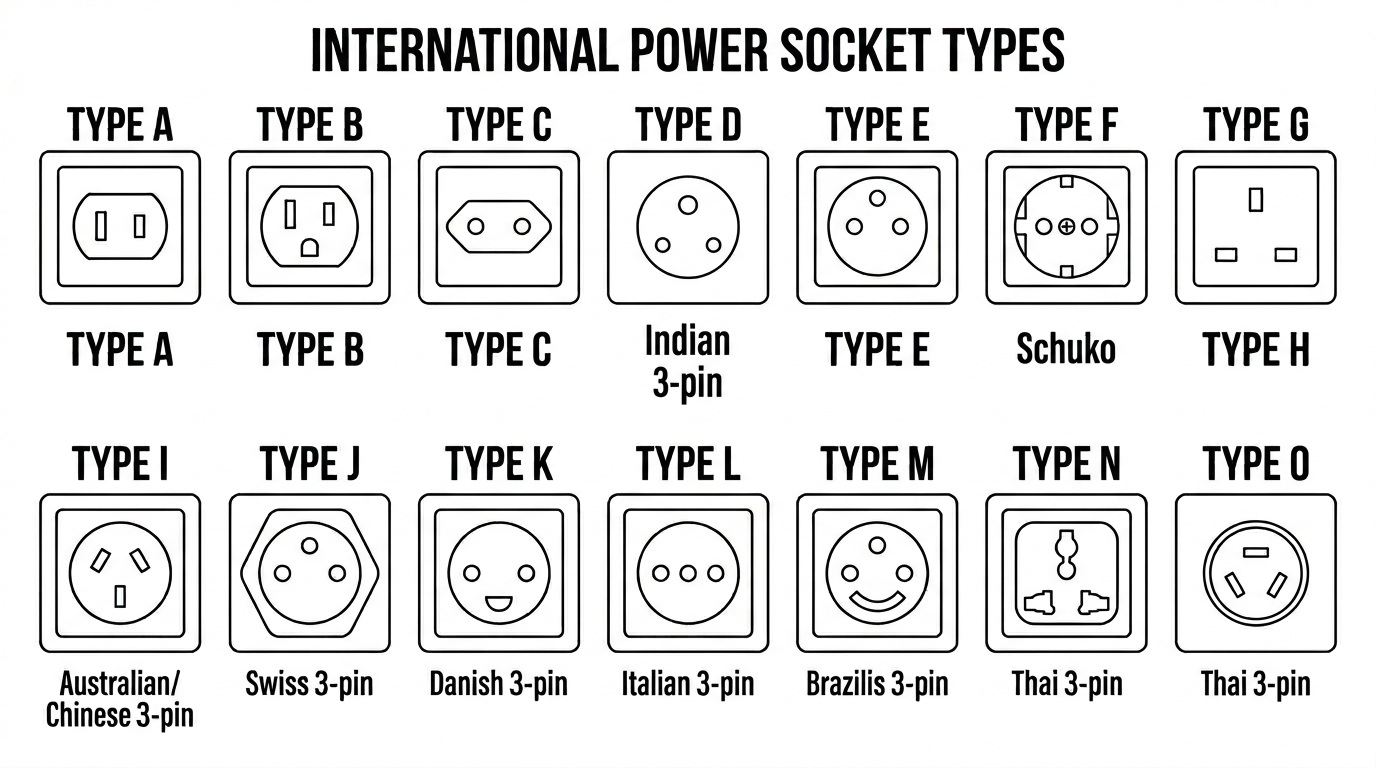
Austria uses the Euro, type C and F plugs and 112 for emergencies. Austria is generally a very safe country with low crime rates.
Emergency Numbers
How safe is Austria?
- Very Safe
- Generally Safe
- Exercise Caution
- High Risk
- Dangerous
Austria is generally a very safe country with low crime rates. Major cities are safe, but as with any urban area, be aware of pickpocketing, especially in crowded tourist spots and on public transport.
Advisories (5)
Scams
- Pickpocketing in crowded areas like train stations, tourist attractions, and public markets.
- Overpriced taxis or unofficial taxi drivers, especially at airports or train stations. Use official services or ride-hailing apps.
- Individuals posing as plain-clothed police officers asking to see your wallet or passport; genuine police will not ask for your wallet or demand cash on the spot.
Warnings
- Exercise normal precautions. There are no specific travel warnings for Austria beyond standard advice for travelers.
- Be aware of weather conditions, especially if hiking or skiing in mountainous regions, and follow local advice and warnings.
Practical Info
Currency
Euro (EUR)
Power Plug
Type C and F
Type C, Type F
See the sockets
Tipping
Tipping is customary in Austria, usually around 5-10% in restaurants and cafes if service is good. For smaller bills, rounding up to the nearest Euro is common. For taxi drivers, rounding up is also appreciated. It's not mandatory but a sign of appreciation for good service.
SIM / Data
Prepaid SIM cards are widely available from major providers like A1, Magenta (T-Mobile), and Drei (Three) at their shops, supermarkets, or post offices. E-SIMs are also an option for compatible phones. Ensure your phone is unlocked before purchasing a local SIM.
Visa
Austria is part of the Schengen Area. Citizens of many countries (e.g., USA, Canada, UK, Australia, New Zealand) can enter without a visa for up to 90 days within any 180-day period for tourism or business. Other nationalities may require a Schengen visa. Always check current requirements based on your nationality.
Driving Side
Right-hand traffic
How do you get around Austria?
Public Transport
Austria boasts an excellent and efficient public transport network. Major cities like Vienna, Salzburg, and Innsbruck have extensive tram, bus, and subway (U-Bahn) systems. Tickets can usually be purchased at stations, vending machines, or online. Day passes or multi-day passes are often the most cost-effective for tourists.
Ride-hailing
- Uber
- Bolt
- Free Now
Intercity
The national railway company, ÖBB (Austrian Federal Railways), provides extensive and reliable train connections across the country and to neighboring countries. Trains are modern, comfortable, and a popular way to travel between cities. Buses also serve routes not covered by trains, and long-distance bus companies like FlixBus offer affordable options.
Culture and customs
Customs
- Punctuality is highly valued in business and social settings.
- Greetings are important: 'Guten Tag' (Good day) or 'Grüß Gott' (a common greeting in southern Germany and Austria) are standard. When introduced, a handshake is common.
- Austrians tend to be reserved initially. Respect personal space.
- When visiting someone's home, it's polite to bring a small gift like flowers or chocolates.
- Dining etiquette: Keep both hands above the table, but don't rest elbows on it. Wait for the host to say 'Mahlzeit' or 'Guten Appetit' before starting to eat.
Dress Code
Dress code is generally smart casual. For evening events, concerts, or upscale restaurants, a more formal attire is expected. When visiting churches or religious sites, dress modestly, covering shoulders and knees.
Religious Etiquette
Austria is predominantly Roman Catholic. When visiting churches, cathedrals, or other religious sites, dress respectfully (shoulders and knees covered). Speak in a low voice and avoid disrupting services. Photography may be restricted in certain areas.
Common Phrases
- Grüß GottHello (common in Austria)
- Guten TagGood day
- Auf WiedersehenGoodbye
- BittePlease / You're welcome
- DankeThank you
- EntschuldigungExcuse me / Sorry
- Ja / NeinYes / No
- Sprechen Sie Englisch?Do you speak English?
Highlights
Sports & Recreation
Skiing and football (soccer)
Austria has a strong outdoor and winter sports culture. Skiing and snowboarding are national passions, with world-class resorts across the Alps. Hiking, cycling, and mountaineering are also extremely popular in warmer months. Football is widely followed, and ice hockey also has a significant following.
National Festivals
- February (Thursday before Ash Wednesday)
Vienna Opera Ball
A prestigious annual event held at the Vienna State Opera, marking the highlight of the Viennese ball season. It's a grand social event with debutantes, high society, and cultural significance.
- July - August
Salzburg Festival
One of the world's most renowned classical music and performing arts festivals, held annually in Salzburg. It features opera, drama, and concerts, attracting top international artists and audiences.
- Late November - December 24th
Christmas Markets (Christkindlmärkte)
Traditional Christmas markets are held in cities and towns across Austria, most notably in Vienna, Salzburg, and Innsbruck. They offer festive food, drinks (like Glühwein), crafts, and a magical atmosphere.
- Late June
Donauinselfest (Danube Island Festival)
Europe's largest open-air music festival, held annually on the Danube Island in Vienna. It's a free festival featuring a wide range of music genres, food, and entertainment, attracting millions of visitors.
Cities in Austria
Planning Austria?
Try a ready-made trip first.
Open the demo trip with no sign-up: Barcelona on your own, or Rome, Florence and Venice as a group. Then plan Austria your way.