
France uses the Euro, type E and F plugs and 112 for emergencies. France is generally a safe country for tourists, but like any major travel destination, it has areas where petty crime like pickpocketing is common, especially in crowded tourist spots and on public transport.
Emergency Numbers
How safe is France?
- Very Safe
- Generally Safe
- Exercise Caution
- High Risk
- Dangerous
France is generally a safe country for tourists, but like any major travel destination, it has areas where petty crime like pickpocketing is common, especially in crowded tourist spots and on public transport. Vigilance is advised.
Advisories (5)
Scams
- Pickpocketing in crowded areas (Eiffel Tower, Louvre, metro)
- "Petition" scams where individuals ask you to sign a petition and then demand money
- Distraction thefts at cafes or train stations
Warnings
- Occasional public demonstrations or strikes can disrupt transport and services; check local news.
- Be aware of your surroundings, especially in less-trafficked areas at night.
Practical Info
Currency
Euro (EUR)
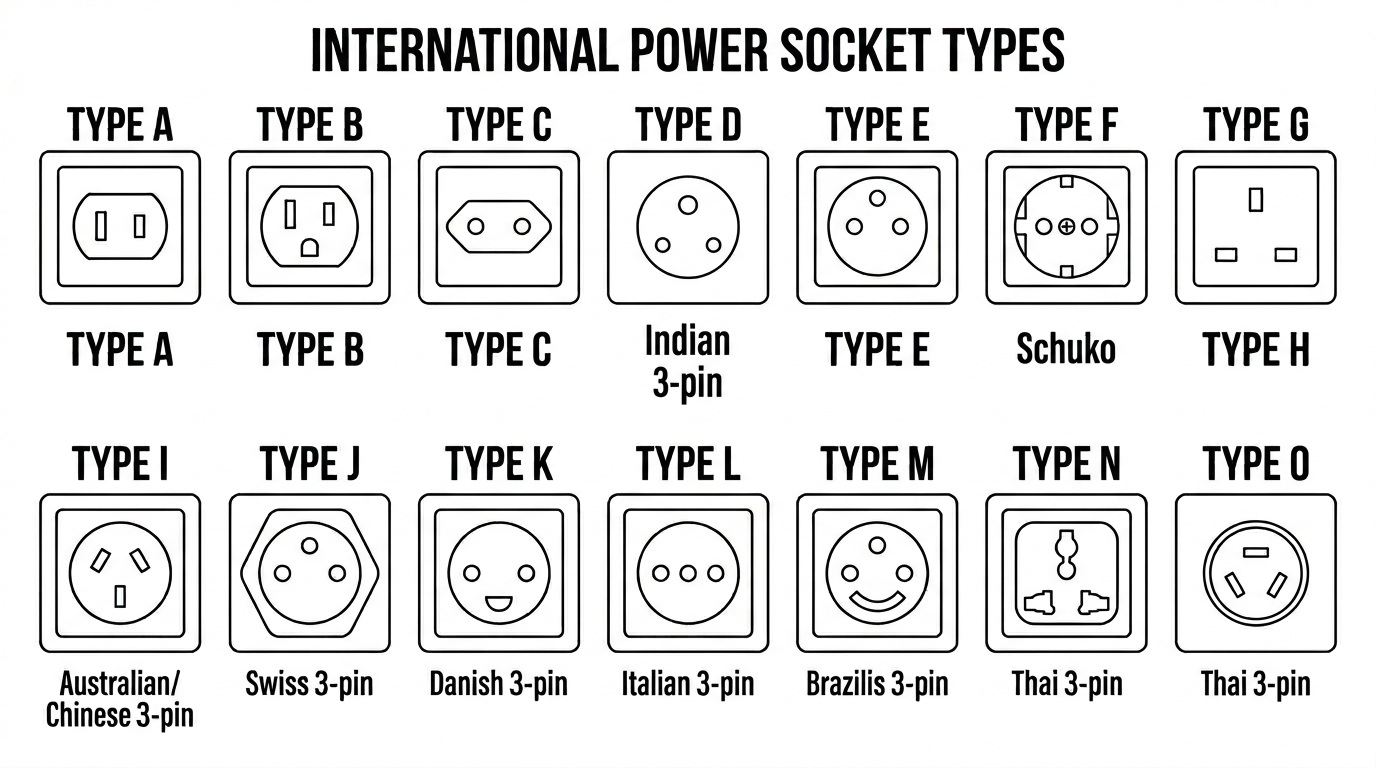
Power Plug
Type E and F
Type E, Type F
See the sockets
Tipping
Service charge (service compris) is usually included in restaurant and cafe bills. Tipping an extra 5-10% for excellent service is common but not mandatory. For taxi drivers, rounding up the fare is customary.
SIM / Data
Prepaid SIM cards are readily available from major providers like Orange, SFR, and Bouygues Telecom at airports, train stations, and mobile phone shops. Bring your passport for registration.
Visa
Citizens of the EU, EEA, and Switzerland do not need a visa. Many other nationalities (e.g., USA, Canada, Australia) can enter visa-free for up to 90 days within a 180-day period for tourism purposes. Check specific requirements based on your nationality prior to travel.
Driving Side
Right
How do you get around France?
Public Transport
Major cities like Paris, Lyon, and Marseille have excellent public transport networks including metros, trams, and buses. Tickets can often be purchased at stations or from vending machines. Consider multi-day passes for extensive use.
Ride-hailing
- Uber
- Bolt
- Free Now
Intercity
France has an extensive and efficient high-speed rail network (TGV) connecting major cities. Regional trains (TER) serve smaller towns. Buses are also available for intercity travel, often a more economical option. Car rental is widely available for exploring rural areas.
Culture and customs
Customs
- Greet people with a polite "Bonjour" (Good day) or "Bonsoir" (Good evening) and "Au revoir" (Goodbye).
- Always say "S'il vous plaît" (Please) and "Merci" (Thank you).
- It's customary to give a light kiss on each cheek (la bise) when greeting friends and family, but a handshake is appropriate for more formal introductions.
- Table manners are important: keep both hands above the table, do not rest elbows on the table, and wait for everyone to be served before starting to eat.
Dress Code
Dress tends to be smart casual. For city exploration, comfortable yet stylish clothing is suitable. For religious sites, it's respectful to dress modestly, covering shoulders and knees. Fine dining restaurants may require a more formal dress code.
Religious Etiquette
When visiting churches or cathedrals, dress modestly, remove hats, and speak quietly. Photography is generally allowed but avoid using flash during services.
Common Phrases
- BonjourHello/Good day
- MerciThank you
- phraseS'il vous plaîtPlease
- Au revoirGoodbye
- Parlez-vous anglais?Do you speak English?
- Je ne comprends pasI don't understand
- L'addition, s'il vous plaîtThe bill, please
Highlights
Sports & Recreation
Football (Soccer)
Football is by far the most popular sport, with the national team (Les Bleus) and Ligue 1 clubs drawing passionate support. Rugby is also very popular, especially in the south. Cycling, particularly the Tour de France, is a major national event. Skiing in the Alps and various water sports along the coasts are also common recreational activities.
National Festivals
- July 14
Fête Nationale (Bastille Day)
Commemorates the storming of the Bastille and the unity of the French people. Celebrated with military parades (especially in Paris), fireworks, and public festivities across the country.
- June 21
Fête de la Musique
An all-day music festival held on the summer solstice, where free concerts and musical performances take place in public spaces throughout cities and towns.
- November 11
Jour de l'Armistice (Armistice Day)
Commemorates the end of World War I, with ceremonies and tributes held at war memorials across France.
Cities in France
Planning France?
Try a ready-made trip first.
Open the demo trip with no sign-up: Barcelona on your own, or Rome, Florence and Venice as a group. Then plan France your way.