
Germany uses the Euro, type F and C plugs and 112 for emergencies. Germany is generally a very safe country with a low crime rate.
Emergency Numbers
How safe is Germany?
- Very Safe
- Generally Safe
- Exercise Caution
- High Risk
- Dangerous
Germany is generally a very safe country with a low crime rate. Major cities and tourist areas are usually well-policed. Exercise standard precautions, especially in crowded places or late at night.
Advisories (6)
Scams
- Pickpocketing can occur in crowded tourist areas, major train stations, and public transport. Be mindful of your belongings.
- Fake ticket sellers or beggars operating near tourist attractions. Purchase tickets only from official vendors.
- Taxi scams, though rare, can involve inflated fares. Ensure meters are used or agree on a price beforehand for long distances.
Warnings
- Minor crimes like petty theft are more common in larger cities. Remain vigilant.
- Demonstrations and protests can occur, particularly in major cities. While usually peaceful, it's advisable to avoid large gatherings.
- Be aware of your surroundings, especially when consuming alcohol, and avoid walking alone in poorly lit areas at night.
Practical Info
Currency
Euro (EUR)
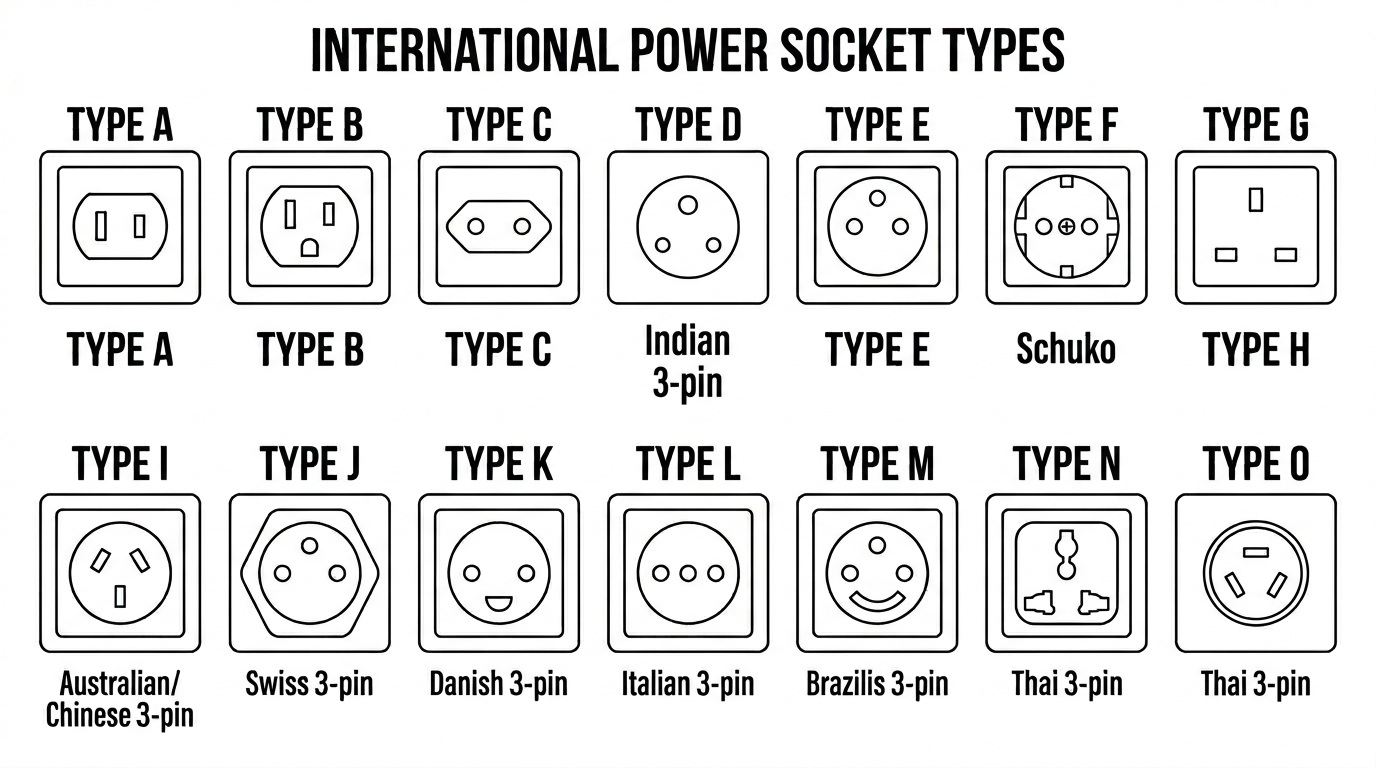
Power Plug
Type F and C
Type F (Schuko) and Type C. Voltage is 230V at 50Hz.
See the sockets
Tipping
Tipping is customary in Germany. In restaurants, it's common to round up the bill or add 5-10% for good service. For taxis, round up to the nearest Euro. For hotel staff, a small tip (e.g., 1-2 EUR per bag for porters, 2-5 EUR per night for housekeepers) is appreciated.
SIM / Data
Local SIM cards are widely available from providers like Telekom, Vodafone, and O2. You can purchase them at airports, train stations, supermarkets, or dedicated phone shops. Prepaid options are common and offer good value for data. Ensure your phone is unlocked.
Visa
Germany is part of the Schengen Area. Citizens of many countries (e.g., USA, Canada, Australia, UK) can enter Germany for tourism for up to 90 days within a 180-day period without a visa. Other nationalities may require a Schengen visa. Always check current visa requirements based on your nationality before travel.
Driving Side
Right-hand side.
How do you get around Germany?
Public Transport
Germany boasts an excellent and highly efficient public transport system. This includes an extensive network of trains (Deutsche Bahn - DB), U-Bahn (subways), S-Bahn (suburban trains), trams, and buses. Tickets can be purchased at stations, from machines, or via mobile apps. Day passes or multi-day passes are often cost-effective for tourists.
Ride-hailing
- Free Nowformerly MyTaxi
- Uberavailable in major cities like Berlin, Munich, Frankfurt, Cologne
Intercity
Long-distance travel is primarily done by train via Deutsche Bahn (DB), which offers a comprehensive network connecting all major cities and regions. High-speed ICE trains are comfortable and efficient. Long-distance buses (e.g., FlixBus) are a more budget-friendly alternative for intercity travel.
Culture and customs
Customs
- Punctuality is highly valued in Germany. Arriving on time for appointments or social engagements is expected.
- Direct communication is common. Germans tend to be straightforward and appreciate clear, concise language.
- Respect for rules and order is important. Follow traffic laws, public transport etiquette, and quiet hours.
- Sundays are generally quiet days, with most shops closed and a focus on rest and family time. Be mindful of noise levels.
- When greeting, a firm handshake is common. Eye contact is also important during conversations.
Dress Code
Generally practical and modest. For daily wear, casual but neat attire is acceptable. For business meetings or formal events, smart-casual or formal wear is appropriate. When visiting churches or religious sites, dress respectfully (e.g., shoulders and knees covered).
Religious Etiquette
When visiting churches or cathedrals, speak quietly, remove hats, and refrain from taking photos during services. Some areas might be restricted to visitors during religious ceremonies. Always be respectful of worshippers and sacred spaces.
Common Phrases
- HalloHello
- Guten TagGood day (formal, used throughout the day)
- DankeThank you
- BittePlease / You're welcome
- EntschuldigungExcuse me / Sorry
- Sprechen Sie Englisch?Do you speak English?
- JaYes
- NeinNo
- Auf WiedersehenGoodbye
Highlights
Sports & Recreation
Football (Soccer)
Football is by far the most popular sport, with the Bundesliga being one of the top leagues globally. Germans are passionate about their local clubs. Beyond football, cycling, hiking, and winter sports (in mountainous regions) are also very popular activities. Public sports clubs and fitness centers are widespread.
National Festivals
- Late September to early October
Oktoberfest
While primarily held in Munich, Oktoberfest is a world-renowned folk festival featuring beer tents, traditional food, fairground rides, and parades. Millions attend annually.
- Late November to December 24th
Christmas Markets (Weihnachtsmärkte)
Held in cities and towns across Germany, these festive markets feature stalls selling crafts, food (like Glühwein, Bratwurst), and decorations, creating a magical pre-Christmas atmosphere.
- October 3rd
Tag der Deutschen Einheit (German Unity Day)
Germany's national holiday commemorates the anniversary of German reunification in 1990. Celebrations include official ceremonies, street festivals, and fireworks in various cities.
- February/March (before Lent)
Karneval / Fasching
A vibrant carnival season, particularly strong in cities like Cologne, Mainz, and Düsseldorf, featuring elaborate parades, costumes, music, and street parties.
Cities in Germany
Planning Germany?
Try a ready-made trip first.
Open the demo trip with no sign-up: Barcelona on your own, or Rome, Florence and Venice as a group. Then plan Germany your way.