
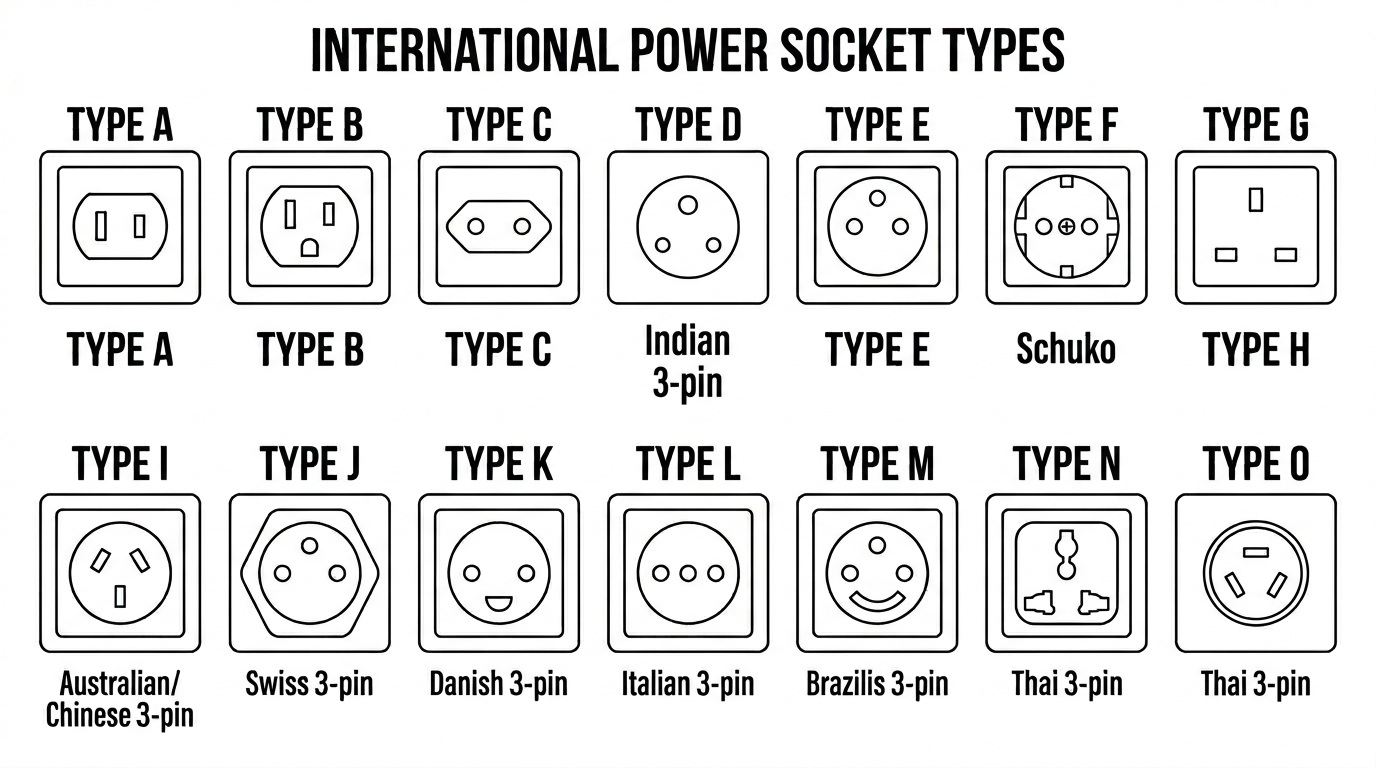
Hong Kong uses the Hong Kong Dollar, type G plugs and 999 for emergencies. Hong Kong is generally a very safe city with a low crime rate.
Emergency Numbers
How safe is Hong Kong?
- Very Safe
- Generally Safe
- Exercise Caution
- High Risk
- Dangerous
Hong Kong is generally a very safe city with a low crime rate. However, visitors should exercise common sense and be aware of their surroundings, especially in crowded tourist areas and on public transport where pickpocketing can occur. Violent crime is rare.
Advisories (5)
Scams
- Be wary of street vendors selling counterfeit goods.
- Avoid individuals approaching you on the street offering 'special deals' on electronics or tailored clothing.
- Exercise caution with unsolicited offers for tours or services that seem too good to be true.
Warnings
- No major travel warnings are currently in effect for Hong Kong for general tourism. Maintain situational awareness as you would in any major city.
- Be mindful of local laws and customs, especially regarding public order and demonstrations, which are generally peaceful but can sometimes cause disruptions.
Practical Info
Currency
Hong Kong Dollar (HKD)
Power Plug
Type G
Type G (three-pin rectangular, same as UK)
See the sockets
Tipping
Tipping is not generally expected in Hong Kong as a standard practice, especially in casual eateries. However, a 10% service charge is often added to bills in mid-range to high-end restaurants and hotels. For exceptional service, rounding up a taxi fare or leaving a small tip for hotel staff is appreciated.
SIM / Data
Local SIM cards are readily available at Hong Kong International Airport (HKIA) upon arrival, as well as at convenience stores (7-Eleven, Circle K) and official telecom shops (CSL, SmarTone, 3HK). Prepaid data plans are affordable and easy to activate. eSIMs are also an increasingly popular and convenient option.
Visa
Many nationalities, including citizens from the US, UK, EU, Canada, Australia, and New Zealand, can enter Hong Kong visa-free for periods ranging from 14 to 180 days. It is crucial to check the specific visa requirements for your nationality before traveling.
Driving Side
Left
How do you get around Hong Kong?
Public Transport
Hong Kong boasts one of the world's most efficient and extensive public transport systems. The MTR (subway) is fast and covers most major areas. Buses, trams (on Hong Kong Island), minibuses, and ferries provide excellent coverage. The Octopus Card is essential for seamless travel across almost all forms of public transport and even for purchases in many stores.
Ride-hailing
- Uber
- Local taxis (red for urban areas, green for New Territories, blue for Lantau Island) are widely available and can be hailed on the street.
Intercity
For travel to mainland China, the High-Speed Rail (Guangzhou-Shenzhen-Hong Kong Express Rail Link) connects West Kowloon Station to major Chinese cities. Ferries provide frequent services to Macau and other Pearl River Delta cities from various piers.
Culture and customs
Customs
- Punctuality is highly valued in business and social settings.
- When giving or receiving items, especially business cards, use both hands as a sign of respect.
- Avoid pointing with your feet or touching someone's head.
- Always be polite and avoid public displays of anger or excessive loudness.
- It is customary to remove shoes when entering someone's home.
Dress Code
Hong Kong's dress code is generally casual but can be smart casual for dining out or business meetings. In temples and religious sites, it's respectful to dress modestly, covering shoulders and knees. Air conditioning can be strong, so carrying a light jacket is advisable.
Religious Etiquette
When visiting temples or monasteries, dress respectfully (shoulders and knees covered). Speak softly, do not point at statues or altars, and ask for permission before taking photographs of people or specific religious practices. Remove your hat upon entering.
Common Phrases
- 你好 (Nei Ho)Hello
- 多謝 (Dor Ze)Thank you (when receiving a gift or service)
- 唔該 (M Goi)Thank you (for a favor/request), Excuse me, Please
- 對唔住 (Deui M Jyu)Sorry
- 再見 (Joi Gin)Goodbye
Highlights
Sports & Recreation
Horse racing is immensely popular, with races held regularly at Sha Tin and Happy Valley racecourses. Hiking is also a very popular recreational activity due to Hong Kong's extensive network of scenic trails and country parks.
Hong Kong has a vibrant sports culture, with horse racing being a major social event and a significant part of the local identity. Other popular activities include badminton, basketball, swimming, and tai chi, which is widely practiced in parks, especially in the mornings.
National Festivals
- Late January or February (varies annually based on the lunar calendar)
Chinese New Year (Lunar New Year)
The most important traditional Chinese festival. Celebrations include parades, fireworks, family gatherings, temple visits, and giving red packets (lai see).
- Early April (varies annually)
Ching Ming Festival
A day for ancestor worship, where families visit cemeteries to sweep graves and make offerings to their ancestors.
- Fifth day of the fifth lunar month, usually June (varies annually)
Dragon Boat Festival (Tuen Ng Festival)
Commemorates the death of Qu Yuan. Celebrated with thrilling dragon boat races across various harbors and bays, and by eating zongzi (sticky rice dumplings).
- 15th day of the eighth lunar month, usually September or October (varies annually)
Mid-Autumn Festival
Also known as the Moon Festival, it's a harvest festival. Families gather to admire the full moon, eat mooncakes, and carry colorful lanterns.
Cities in Hong Kong
Planning Hong Kong?
Try a ready-made trip first.
Open the demo trip with no sign-up: Barcelona on your own, or Rome, Florence and Venice as a group. Then plan Hong Kong your way.