
Taiwan Travel Guide. Essential travel information — emergency numbers, safety, currency, visas, customs and getting around.
Emergency Numbers
Emergency · TaiwanTap a number to call
How safe is Taiwan?
- Very Safe
- Generally Safe
- Exercise Caution
- High Risk
- Dangerous
Taiwan is generally a very safe country with low crime rates. Most visits are trouble-free. However, it's always wise to be aware of your surroundings, especially in crowded tourist areas or late at night.
Advisories (5)
Scams
- Petty theft can occur in crowded areas like night markets or public transport; keep an eye on your belongings.
- Ensure taxi drivers use the meter, or agree on a fare beforehand to avoid overcharging.
- Be wary of overly friendly strangers inviting you to 'tea ceremonies' or other venues that might lead to inflated prices.
Warnings
- Taiwan is prone to typhoons, especially between May and November. Monitor local weather forecasts and follow instructions from authorities during typhoon season.
- The island is seismically active. Familiarize yourself with earthquake safety procedures and know where emergency exits are located in your accommodation.
Practical Info
Currency
New Taiwan Dollar (TWD)
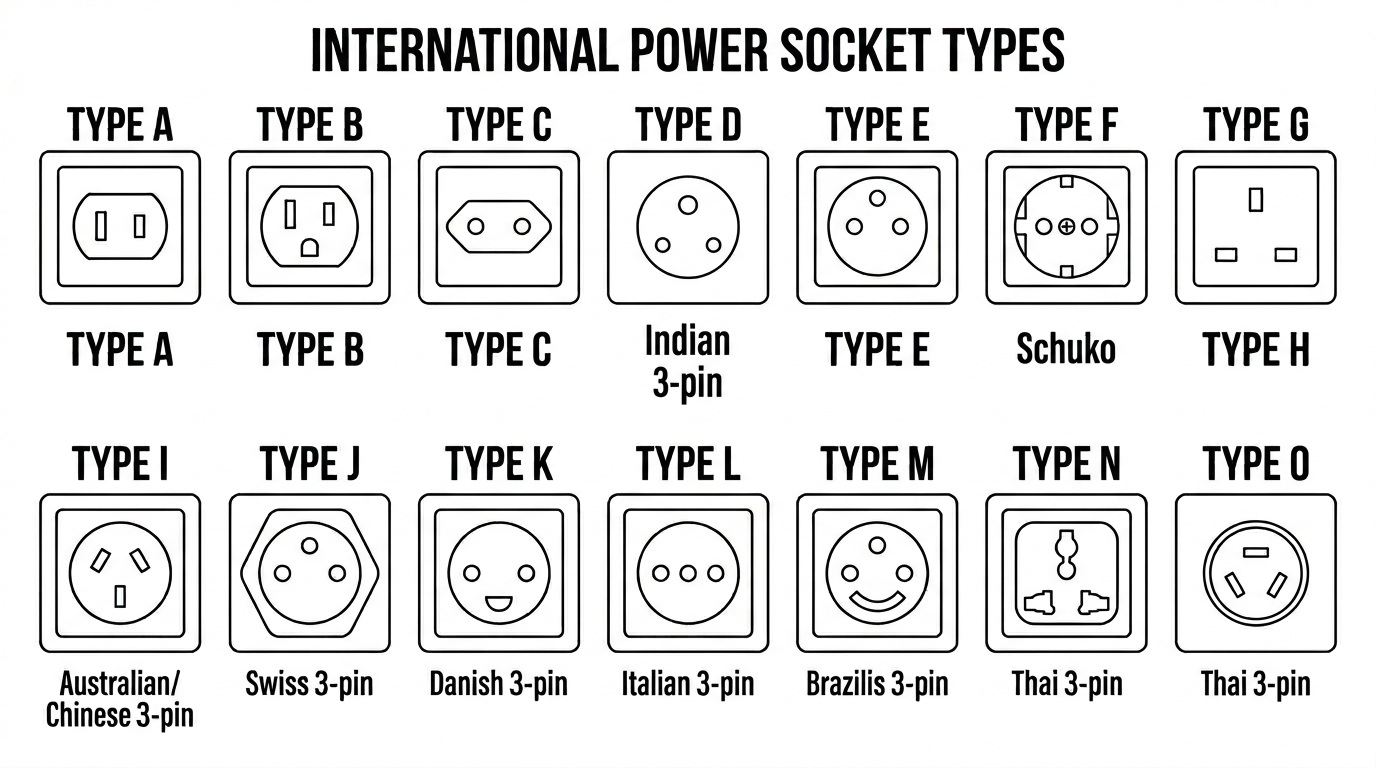
Power Plug
Type A
Type A & B (110V, 60Hz)
See the sockets
Tipping
Tipping is not customary in Taiwan and is generally not expected. However, some high-end restaurants and hotels may add a 10% service charge to the bill.
SIM / Data
Prepaid SIM cards with data plans are readily available and affordable. You can purchase them upon arrival at international airports (e.g., Taoyuan, Songshan, Kaohsiung) from major providers like Chunghwa Telecom, Far EasTone, or Taiwan Mobile. You will need your passport for registration.
Visa
Many nationalities can enter Taiwan visa-free for periods ranging from 14 to 90 days. It is crucial to check the specific visa requirements for your nationality with the Taipei Economic and Cultural Office (TECO) or relevant Taiwanese consulate in your country before travel.
Driving Side
Right
How do you get around Taiwan?
Public Transport
Taiwan boasts an excellent and efficient public transportation system. Major cities like Taipei and Kaohsiung have extensive MRT (Mass Rapid Transit) systems. The Taiwan High-Speed Rail (HSR) connects major cities along the western corridor, offering fast intercity travel. The Taiwan Railways Administration (TRA) operates conventional trains for more extensive coverage across the island.
Ride-hailing
- Uber
- Taiwan Taxilocal app
Intercity
For long-distance travel, the HSR is the fastest option for north-south routes. TRA trains offer a more scenic and comprehensive network, including routes to the east coast. Long-distance buses are also widely available, often more economical, and serve destinations not covered by rail.
Culture and customs
Customs
- Politeness and respect, especially for elders, are highly valued. A slight bow is a common greeting.
- Remove your shoes before entering homes, temples, and sometimes certain establishments.
- Gift-giving is common, but avoid white flowers, clocks, or sharp objects as gifts, as they can have negative connotations.
- Public displays of affection are generally discreet.
Dress Code
Casual dress is acceptable in most situations. However, when visiting temples or more formal venues, it's respectful to dress modestly, covering shoulders and knees.
Religious Etiquette
When visiting temples, maintain a quiet and respectful demeanor. Do not point at deities or monks. Remove hats and avoid stepping on the threshold. Incense burning rituals are common; observe and follow local practices if participating.
Common Phrases
- Ni haoHello
- Xie xieThank you
- Bu hao yi siExcuse me / Sorry
- Duo shao qian?How much?
- Zai jianGoodbye
Highlights
Sports & Recreation
Baseball
Baseball is considered the national sport, with a passionate fan base for its professional league (CPBL). Basketball is also popular. Beyond organized sports, outdoor activities like hiking, cycling (especially around the island's scenic routes), and various water sports are deeply ingrained in Taiwanese recreation culture.
National Festivals
- Late January / Early February (varies annually)
Lunar New Year (Chinese New Year)
The most important traditional holiday, marked by family reunions, elaborate feasts, gift exchanges (red envelopes with money), and firecrackers. Many businesses close during this period.
- 15th day of the 1st lunar month (February / March)
Lantern Festival
Celebrated with parades of colorful lanterns, fireworks, and the eating of tangyuan (sweet glutinous rice balls). Pingxi is famous for its sky lantern releases.
- 5th day of the 5th lunar month (May / June)
Dragon Boat Festival
Commemorates the poet Qu Yuan. Features exciting dragon boat races and the consumption of zongzi (sticky rice dumplings wrapped in bamboo leaves).
- 15th day of the 8th lunar month (September / October)
Mid-Autumn Festival
A harvest festival for family gatherings, moon gazing, eating mooncakes, and barbecues. It's a time to appreciate the full moon.
Cities in Taiwan
Planning Taiwan?
Try a ready-made trip first.
Open the demo trip with no sign-up: Barcelona on your own, or Rome, Florence and Venice as a group. Then plan Taiwan your way.