
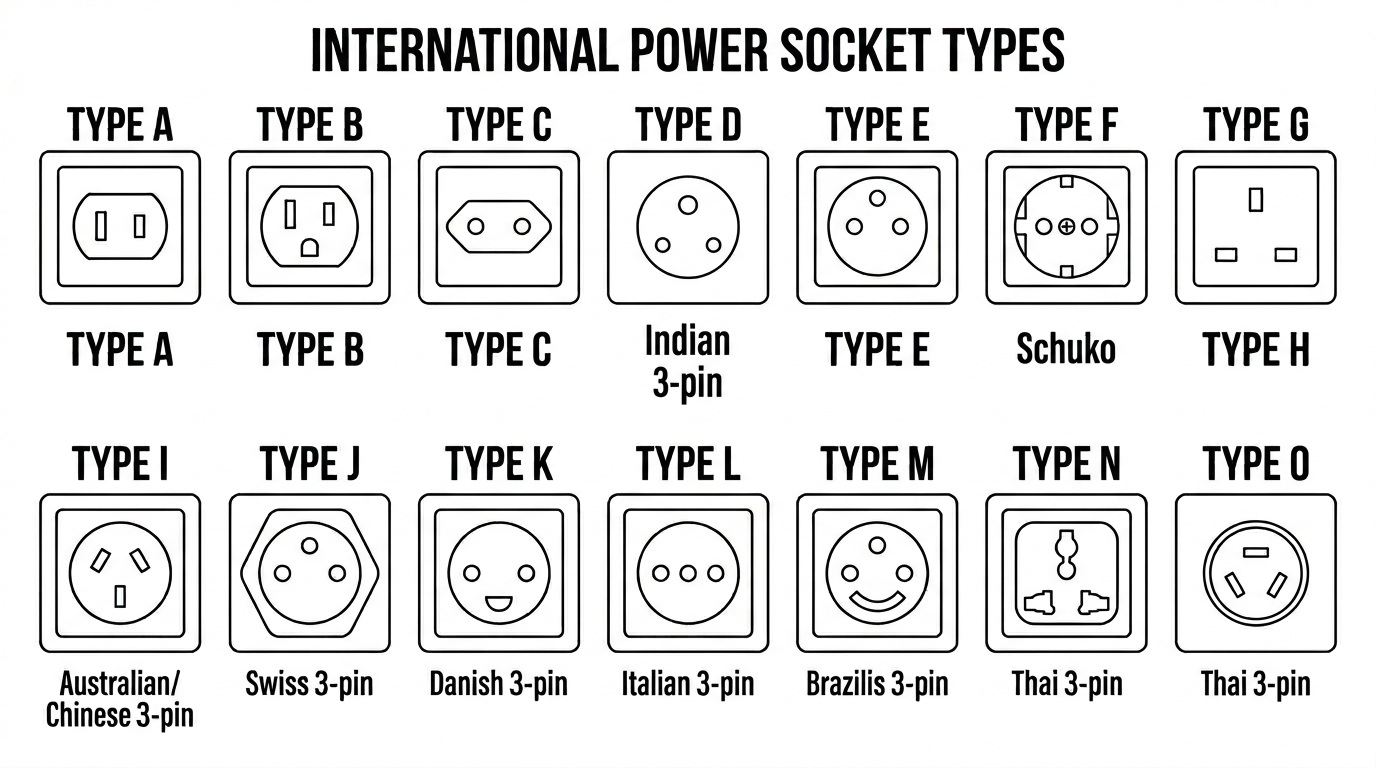
Bosnia and Herzegovina uses the Convertible Mark, type C and F plugs and 112 for emergencies. Bosnia and Herzegovina is generally safe for tourists.
Emergency Numbers
How safe is Bosnia and Herzegovina?
- Very Safe
- Generally Safe
- Exercise Caution
- High Risk
- Dangerous
Bosnia and Herzegovina is generally safe for tourists. Petty crime, such as pickpocketing, can occur in crowded tourist areas, especially in Sarajevo. Be aware of your surroundings and secure your valuables. The primary safety concern from the 1990s war is unexploded ordnance (UXO) in unmarked, rural, and isolated areas. Stick to marked roads and paths, and do not venture into abandoned or overgrown fields.
Advisories (4)
Scams
- Beware of inflated taxi fares for tourists; always agree on a price or ensure the meter is used.
- Pickpocketing can occur in busy markets or public transport.
Warnings
- Unexploded ordnance (UXO) from the 1990s war is still present in some rural and unmarked areas. Do not stray from paved roads or marked trails.
- Occasional political demonstrations may occur, but they rarely affect tourists directly. Monitor local news.
Practical Info
Currency
Convertible Mark (BAM)
Power Plug
Type C and F
Type C, Type F
See the sockets
Tipping
Tipping is appreciated but not mandatory. In restaurants, a 5-10% tip is common for good service. Rounding up taxi fares is also customary.
SIM / Data
Local SIM cards are affordable and readily available from major providers like BH Telecom, M:tel, and Eronet. You will typically need your passport to register and activate a SIM card.
Visa
Many nationalities, including EU, US, UK, Canadian, and Australian citizens, can enter Bosnia and Herzegovina visa-free for stays up to 90 days. Always check the specific visa requirements for your nationality before traveling.
Driving Side
Right
How do you get around Bosnia and Herzegovina?
Public Transport
Major cities like Sarajevo have public transport systems consisting of trams, trolleybuses, and buses. Tickets can be purchased at kiosks or from the driver. Public transport is generally reliable and affordable.
Ride-hailing
- Bolt
Intercity
Buses are the primary and most efficient mode of intercity transport, connecting most towns and cities across the country. Train services are less extensive but offer scenic routes, particularly between Sarajevo and Mostar. Driving is an option, but some roads, especially in rural areas, can be winding and less well-maintained. Car rental is available at major airports and cities.
Culture and customs
Customs
- When invited to someone's home, it's customary to remove your shoes at the entrance.
- Hospitality is highly valued; hosts will often offer coffee, drinks, or food. It's polite to accept.
- Handshaking is the common greeting. When meeting someone for the first time, a firm handshake is appropriate.
- Avoid discussing sensitive political topics or the recent war unless initiated by locals and you are comfortable with the conversation.
Dress Code
Casual attire is generally acceptable. When visiting religious sites (mosques, churches, monasteries), dress modestly, ensuring shoulders and knees are covered. Women may be required to cover their heads in mosques.
Religious Etiquette
Bosnia and Herzegovina is a multi-ethnic and multi-religious country (Bosniaks are predominantly Muslim, Serbs are Orthodox Christian, and Croats are Catholic). Respect all religious sites and practices. When entering a mosque, remove your shoes and women should cover their heads. Avoid visiting during prayer times.
Common Phrases
- ZdravoHello
- HvalaThank you
- MolimPlease / You're welcome
- Dobar danGood day
- IzviniteExcuse me
Highlights
Sports & Recreation
Football (soccer)
Football is the most popular sport and a significant part of the national identity, with strong support for local clubs and the national team. Basketball is also very popular. The mountainous terrain offers excellent opportunities for outdoor activities such as hiking, skiing (Jahorina and Bjelašnica were hosts for the 1984 Winter Olympics), and rafting on rivers like the Una and Neretva.
National Festivals
- Mid-August
Sarajevo Film Festival
One of Southeast Europe's premier film festivals, attracting international filmmakers and stars. It features screenings, workshops, and industry events.
- July
Baščaršija Nights
A cultural festival held in Sarajevo's old town (Baščaršija), featuring concerts, folk dances, theater performances, and art exhibitions.
- July-August
Mostar Summer Festival
A series of cultural events including music concerts, theater plays, and art exhibitions in the historic city of Mostar.
- November 25
Statehood Day
A national holiday commemorating the first session of the Anti-Fascist Council of National Liberation of Bosnia and Herzegovina in 1943, laying the foundations for modern Bosnia and Herzegovina.
Cities in Bosnia and Herzegovina
Planning Bosnia and Herzegovina?
Try a ready-made trip first.
Open the demo trip with no sign-up: Barcelona on your own, or Rome, Florence and Venice as a group. Then plan Bosnia and Herzegovina your way.