
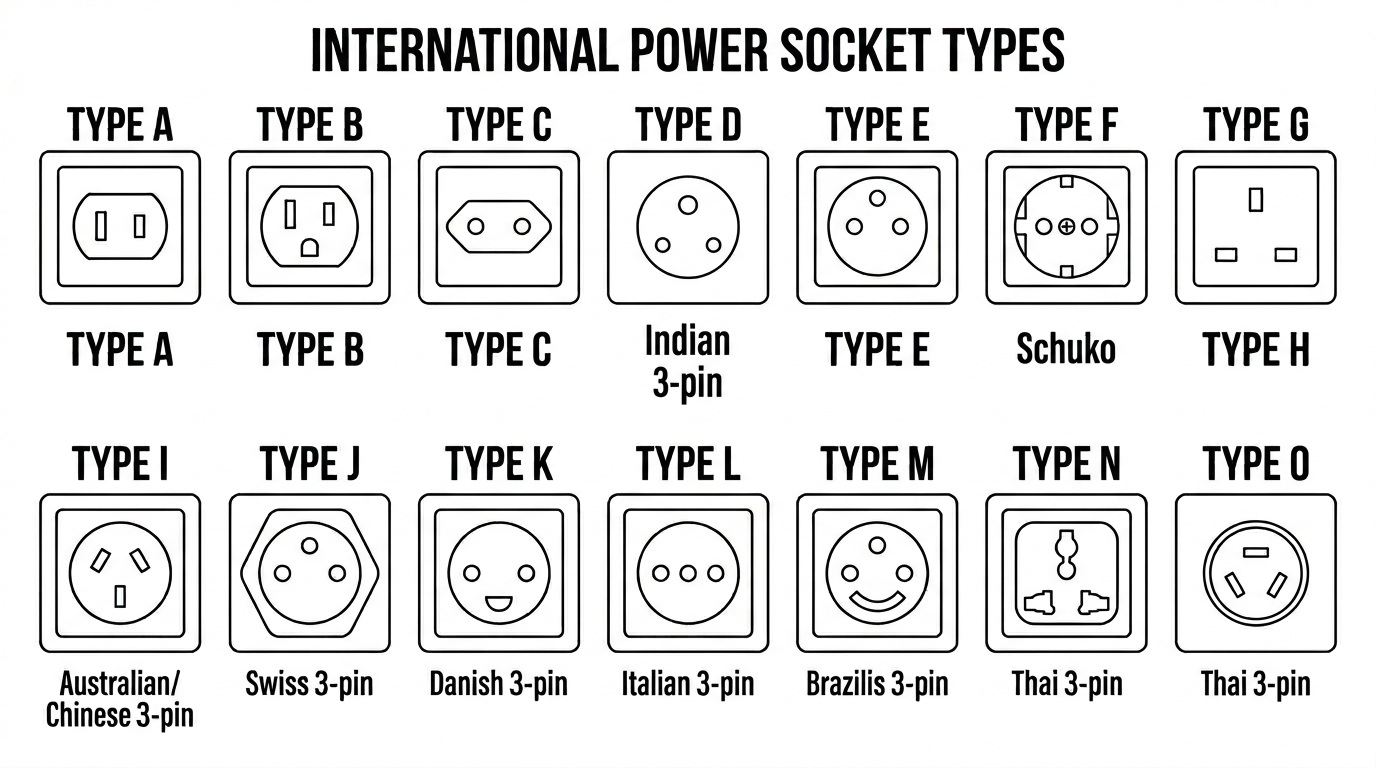
Brazil uses the Brazilian Real, type N and C plugs and 190 for emergencies. Brazil has a moderate to high crime rate, particularly in large urban centers.
Emergency Numbers
How safe is Brazil?
- Very Safe
- Generally Safe
- Exercise Caution
- High Risk
- Dangerous
Brazil has a moderate to high crime rate, particularly in large urban centers. Petty crime like pickpocketing and muggings is common, especially in tourist areas and public transport. Violent crime can also occur. Visitors should exercise a high degree of caution, remain vigilant, and avoid displaying valuables.
Advisories (11)
Scams
- Fake police officers asking for 'fines' or passports
- Taxi scams (overcharging, rigged meters)
- ATM scams (card skimming, 'good Samaritan' help that leads to theft)
- Distraction thefts (e.g., someone 'accidentally' spills something on you)
- Fake goods/souvenirs sold at inflated prices
Warnings
- Avoid walking alone at night, especially in isolated areas or beaches.
- Do not resist if you are mugged; hand over your valuables.
- Be cautious when using public transportation, particularly at night.
- Avoid wearing expensive jewelry or watches and carrying large amounts of cash.
- Research areas before visiting, as some neighborhoods and favelas can be dangerous without local guidance.
- Be wary of unsolicited offers of help or services.
Practical Info
Currency
Brazilian Real (BRL)
Power Plug
Type N and C
Type N (most common), Type C (less common but still found)
See the sockets
Tipping
Tipping is not generally mandatory. Restaurants often include a 10% service charge on the bill. For good service in other establishments, rounding up or leaving a small tip is appreciated but not expected. Taxi drivers do not typically expect tips.
SIM / Data
Local SIM cards are readily available from major carriers like Claro, Vivo, and TIM. You will need your passport to register and purchase a SIM card, which is best done at official stores in airports or shopping malls.
Visa
Visa requirements vary by nationality. Citizens of many countries, including most of South America and some European nations, can enter visa-free for tourism. Citizens of the US, Canada, Australia, and Japan typically require an eVisa. It is crucial to check the latest requirements with the Brazilian consulate or embassy in your country before travel.
Driving Side
Right
How do you get around Brazil?
Public Transport
Major cities like São Paulo and Rio de Janeiro have extensive metro and bus systems. The metro is generally considered safe and efficient, especially during the day. Buses are comprehensive but can be crowded and less predictable. In smaller cities, buses are the primary public transport. Purchase reloadable cards for easier travel.
Ride-hailing
- Uber
- 99a popular local app
- Bolt
Intercity
For long distances, domestic flights are the most common and efficient way to travel between major cities. Brazil also has an extensive network of intercity buses, which are generally comfortable, affordable, and a good option for shorter to medium-range journeys. Car rental is available but driving conditions can be challenging, especially in cities.
Culture and customs
Customs
- Brazilians are generally warm and friendly. Personal space is often closer than in some Western cultures.
- Greetings often involve a kiss on each cheek (between women, or a man and a woman) or a handshake (between men).
- Punctuality can be flexible; being a few minutes late is generally acceptable in social settings.
- Direct eye contact is common and a sign of sincerity.
- Politeness and respect for elders are highly valued.
Dress Code
Casual dress is common for daily activities, especially in warmer regions. For dining in nicer restaurants or going out at night, smart casual attire is appropriate. Beachwear is strictly for the beach.
Religious Etiquette
Brazil is predominantly Catholic. When visiting churches or religious sites, dress modestly (shoulders and knees covered) and speak in hushed tones. Be respectful of local customs and services.
Common Phrases
- OláHello
- Obrigado/ObrigadaThank you (Obrigado for male speakers, Obrigada for female speakers)
- Por favorPlease
- DesculpeExcuse me / Sorry
- Bom diaGood morning
- Boa tardeGood afternoon
- Boa noiteGood evening / Good night
- Tudo bem?How are you? / Is everything okay?
- Sim / NãoYes / No
Highlights
Sports & Recreation
Football (Soccer)
Football is a national obsession in Brazil, deeply woven into the cultural fabric. Brazilians are passionate about their teams and the national squad. Beyond football, beach sports like beach volleyball and footvolley are popular, especially along the coast. Capoeira, an Afro-Brazilian martial art that combines elements of dance, acrobatics, and music, is also a significant cultural and recreational activity.
National Festivals
- Varies (typically February or March, before Lent)
Carnival
The most famous festival in Brazil, known for its vibrant parades, samba music, elaborate costumes, and street parties. Major celebrations occur in Rio de Janeiro, Salvador, Olinda, and São Paulo, each with its unique style.
- Throughout June
Festa Junina (June Festivals)
A series of traditional festivals celebrating harvest, rural life, and Catholic saints (St. John, St. Peter, St. Anthony). Characterized by bonfires, folk dances (quadrilha), traditional food, and colorful decorations, especially popular in the Northeast.
- December 31
New Year's Eve (Réveillon)
Celebrated with spectacular fireworks displays, particularly on Copacabana Beach in Rio de Janeiro, where millions gather dressed in white for good luck. Many rituals involve jumping seven waves and offering flowers to the sea goddess Iemanjá.
- September 7
Independence Day
Commemorates Brazil's declaration of independence from Portugal in 1822. Celebrated with patriotic parades, military displays, and national pride across the country.
Cities in Brazil
Planning Brazil?
Try a ready-made trip first.
Open the demo trip with no sign-up: Barcelona on your own, or Rome, Florence and Venice as a group. Then plan Brazil your way.