
Kiribati Travel Guide. Essential travel information — emergency numbers, safety, currency, visas, customs and getting around.
Emergency Numbers
How safe is Kiribati?
- Very Safe
- Generally Safe
- Exercise Caution
- High Risk
- Dangerous
Kiribati is generally a safe country for tourists. Violent crime is rare, but petty theft, such as bag snatching, can occur, especially in crowded areas like markets or near ports. Take standard precautions like being aware of your surroundings and securing valuables.
Advisories (6)
Scams
- Be wary of unsolicited offers for tours or services, especially from individuals approaching you on the street.
- Ensure taxi fares are agreed upon before starting the journey, as meters are not always used.
- Avoid walking alone at night in poorly lit areas and exercise caution in less populated zones.
Warnings
- Observe local customs and traditions to avoid unintentional offense.
- Be aware of strong currents if swimming or snorkeling, and always check local conditions.
- Monitor local weather forecasts, especially during cyclone season (November to April), and follow advice from authorities.
Practical Info
Currency
Australian Dollar (AUD)
Power Plug
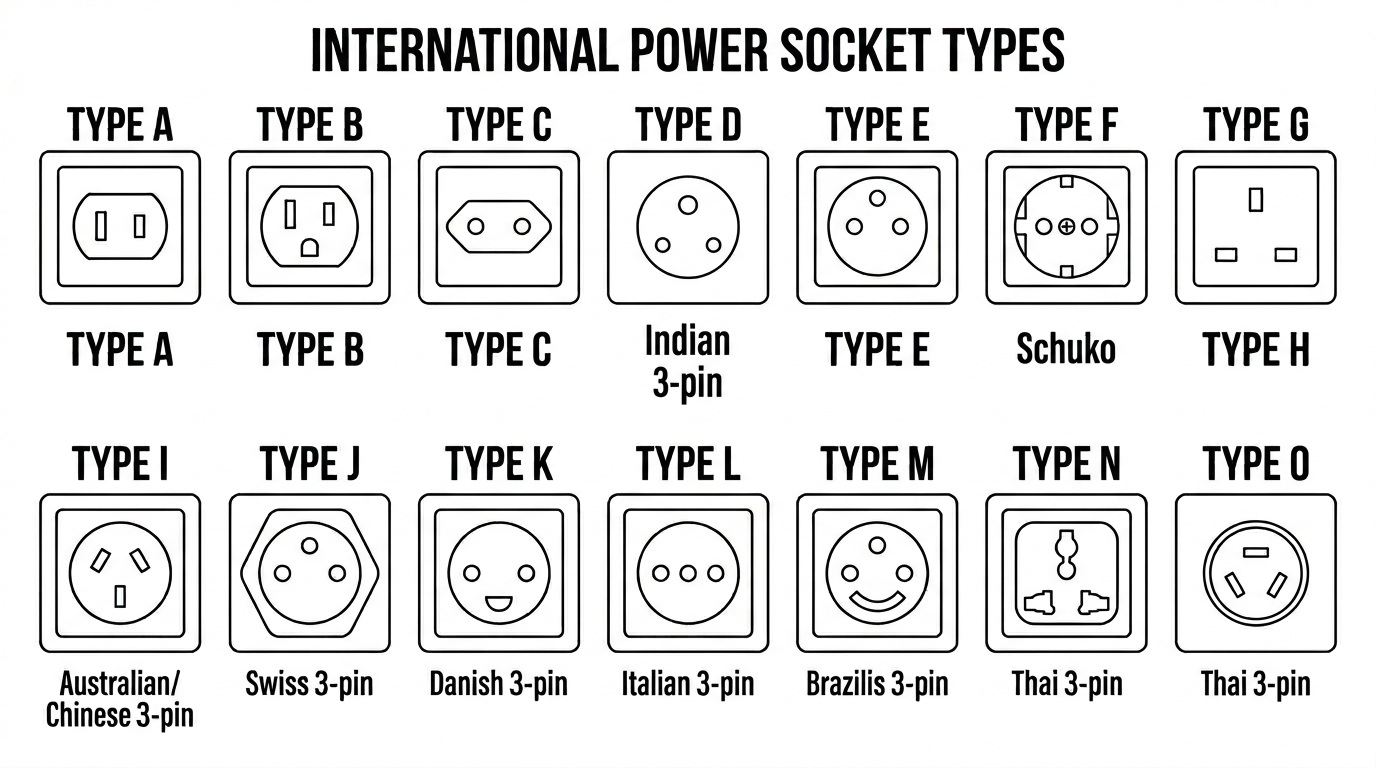
Type I
Type I (three flat pins, similar to Australia/New Zealand). Voltage is 240V, frequency 50Hz.
See the sockets
Tipping
Tipping is not customary in Kiribati and is generally not expected. A small gesture of appreciation for exceptional service would be welcomed but is not mandatory.
SIM / Data
Local SIM cards are available from providers like Telecom Services Kiribati Limited (TSKL). Coverage can be limited outside main urban areas (Tarawa). Prepaid options for voice and data are common and recommended.
Visa
Most visitors require a visa for Kiribati, though some Pacific Island nationals and citizens of specific countries may be exempt for short stays. It is essential to check the latest visa requirements with the Kiribati Ministry of Foreign Affairs and Immigration or your nearest Kiribati embassy/consulate well in advance of your travel.
Driving Side
Left-hand traffic
How do you get around Kiribati?
Public Transport
On South Tarawa, the most populated island, public buses (minibuses) are the primary and most affordable mode of transport. These minibuses run frequently along the main road. Taxis are also available but are less common and more expensive.
Ride-hailing
- No major international ride-hailing apps (e.g., Uber, Lyft) operate in Kiribati. Local taxi services are the only option for on-demand private transport, typically found in urban centers.
Intercity
Inter-island travel is primarily by domestic flights operated by Air Kiribati to some outer islands, though schedules can be infrequent. Alternatively, cargo and passenger ships connect various atolls, but these services can be irregular and require careful planning. Travel between atolls can be challenging and time-consuming.
Culture and customs
Customs
- Always ask for permission before taking photos of people, especially in rural areas.
- Remove shoes before entering a home or a maneaba (traditional meeting house) as a sign of respect.
- Dress modestly, especially outside of resort areas and when visiting villages or religious sites.
- It is customary to greet people with a smile and a friendly 'Mauri' (hello/welcome).
Dress Code
Modest dress is recommended throughout Kiribati. For women, this means covering shoulders and knees, particularly when visiting villages or religious sites. For men, casual wear is generally acceptable, but avoid going shirtless in public areas.
Religious Etiquette
Kiribati is predominantly Christian. When visiting churches or attending religious ceremonies, dress respectfully, maintain quiet, and follow the lead of locals. Do not interrupt services or take photos without explicit permission.
Common Phrases
- MauriHello / Welcome
- Ko rabwaThank you
- EngYes
- NikaiNo
- Tera maiu?How are you?
Highlights
Sports & Recreation
Football (soccer) and volleyball are extremely popular, especially among youth. Traditional outrigger canoe racing also holds significant cultural importance.
Sports play a central role in community life and social gatherings across Kiribati. Competitions are often community-based, fostering strong local pride and participation. Fishing and various ocean-based activities are also integral to the lifestyle and recreation.
National Festivals
- July 12
Independence Day
Celebrates Kiribati's independence from the United Kingdom in 1979. The day is marked by vibrant parades, traditional cultural performances, competitive canoe races, and widespread feasting across the islands.
- August 12
Kiribati National Day of Prayer
A day dedicated to prayer and reflection, observed by the predominantly Christian population. Special services are held in churches across the nation, emphasizing spiritual unity and thanksgiving.
- December 25
Christmas Day
Celebrated with profound religious significance, involving church services, large family gatherings, elaborate feasting, and gift-giving, reflecting the strong Christian influence throughout the islands.
Planning Kiribati?
Try a ready-made trip first.
Open the demo trip with no sign-up: Barcelona on your own, or Rome, Florence and Venice as a group. Then plan Kiribati your way.