
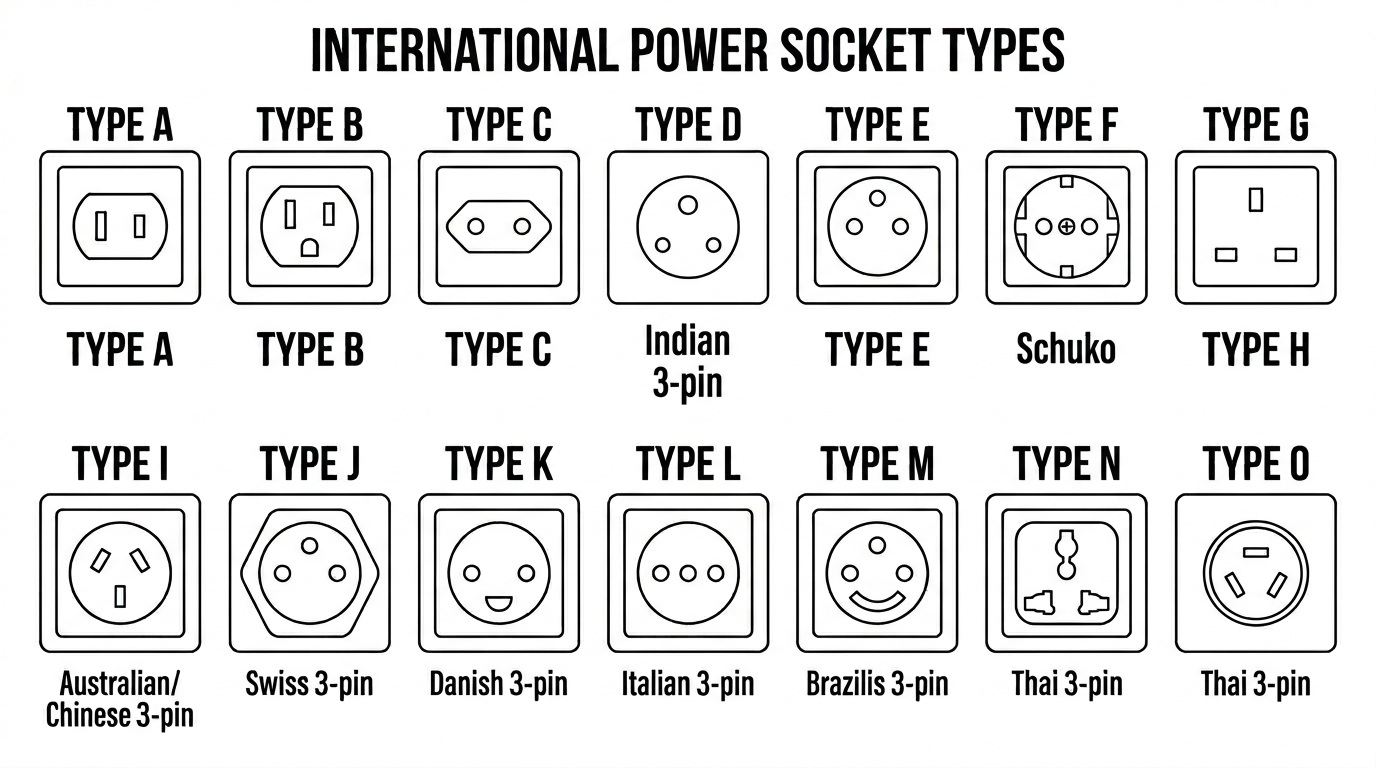
Liechtenstein uses the Swiss Franc, type J plugs and 112 for emergencies. Liechtenstein is one of the safest countries in the world, with an extremely low crime rate.
Emergency Numbers
How safe is Liechtenstein?
- Very Safe
- Generally Safe
- Exercise Caution
- High Risk
- Dangerous
Liechtenstein is one of the safest countries in the world, with an extremely low crime rate. Violent crime is rare, and petty crime like pickpocketing is almost non-existent. Travelers can generally feel very safe, even when walking alone at night.
Advisories (2)
Scams
- Due to the very low crime rate, specific scam alerts are rare. Always exercise general travel caution, such as safeguarding your belongings and being aware of your surroundings, though specific tourist scams are not prevalent here.
Warnings
- There are no specific travel warnings for Liechtenstein. Standard precautions apply, such as being aware of weather conditions when hiking in mountainous areas.
Practical Info
Currency
Swiss Franc (CHF)
Power Plug
Type J
Type J
See the sockets
Tipping
Tipping is not obligatory as service charges are included, but rounding up the bill or leaving 5-10% for excellent service in restaurants and for taxi drivers is appreciated. For hotel staff, a small amount (e.g., 2-5 CHF) for exceptional service is customary.
SIM / Data
Local SIM cards can be purchased from providers like Swisscom, Salt, or Sunrise (Swiss providers, as Liechtenstein's telecom infrastructure is closely linked to Switzerland). Consider an eSIM for convenience, or check if your home provider offers affordable roaming in the Schengen Area.
Visa
Liechtenstein is part of the Schengen Area. Visa requirements are the same as for other Schengen countries. Visitors from visa-exempt countries can enter for up to 90 days within a 180-day period without a visa. Always check the latest requirements based on your nationality.
Driving Side
Right
How do you get around Liechtenstein?
Public Transport
Liechtenstein has an excellent and efficient public bus system (LIEmobil) that connects all municipalities. Buses are frequent, clean, and reliable, making it easy to travel throughout the country without a car. The bus network is integrated with the Swiss public transport system.
Ride-hailing
- Ride-hailing apps like Uber are not widely available or commonly used in Liechtenstein. Taxis are available but can be expensive.
Intercity
Within Liechtenstein, buses are the primary mode of intercity travel. For international connections, the nearest major train station is Sargans in Switzerland, which is easily accessible by bus from Vaduz. From Sargans, you can connect to the extensive Swiss and European rail networks. Driving is also a popular option, with well-maintained roads and scenic routes.
Culture and customs
Customs
- Punctuality is highly valued. Arriving on time for appointments or social gatherings is expected.
- Greetings often involve a handshake. In more informal settings, a 'Grüezi' (Swiss German for hello) is common.
- Politeness and respect for privacy are important. Avoid overly loud conversations in public.
- When invited to someone's home, it's customary to bring a small gift, such as flowers or chocolates.
Dress Code
Dress code is generally smart casual. For formal occasions or upscale restaurants, more formal attire may be appropriate. When visiting churches or religious sites, dress respectfully, covering shoulders and knees.
Religious Etiquette
Liechtenstein is predominantly Roman Catholic. When visiting churches, maintain a respectful demeanor, speak quietly, and avoid disturbing services. Some churches may require modest dress.
Common Phrases
- GrüeziHello (Swiss German)
- DankeThank you
- BittePlease / You're welcome
- EntschuldigungExcuse me / Sorry
- Uf WiderluegeGoodbye (Swiss German)
- JaYes
- NeiNo
Highlights
Sports & Recreation
Skiing and hiking are extremely popular. Football (soccer) also has a strong following.
Liechtenstein has a strong outdoor recreation culture, heavily influenced by its mountainous terrain. Winter sports like skiing, snowboarding, and cross-country skiing are central to its identity. In warmer months, hiking, mountain biking, and cycling are widespread activities. The country also boasts a national football team and various local sports clubs.
National Festivals
- August 15th
National Day (Staatsfeiertag)
Celebrated annually on the Feast of the Assumption. Festivities include a reception at Vaduz Castle hosted by the Princely Family, a public festival in Vaduz, and a spectacular fireworks display in the evening.
- February/March (before Lent)
Fasnacht (Carnival)
A traditional carnival celebration featuring parades, masked balls, and street parties, particularly vibrant in the days leading up to Ash Wednesday.
- Autumn (September/October)
Alpabfahrt (Cattle Drive)
Farmers bring their cattle down from the alpine pastures for the winter. The cows are typically adorned with elaborate floral headpieces, bells, and ribbons, creating a colorful procession through villages.
Cities in Liechtenstein
Planning Liechtenstein?
Try a ready-made trip first.
Open the demo trip with no sign-up: Barcelona on your own, or Rome, Florence and Venice as a group. Then plan Liechtenstein your way.