
Latvia uses the Euro, type C and F plugs and 112 for emergencies. Latvia is generally a safe country for tourists.
Emergency Numbers
How safe is Latvia?
- Very Safe
- Generally Safe
- Exercise Caution
- High Risk
- Dangerous
Latvia is generally a safe country for tourists. Violent crime is rare, but petty crime like pickpocketing can occur in crowded tourist areas, especially in Riga's Old Town and on public transport. Be aware of your surroundings, especially at night, and take standard precautions.
Advisories (6)
Scams
- Overpriced taxis: Always agree on a fare beforehand or ensure the meter is running. Use ride-hailing apps for transparency.
- Fake beggars/petitioners: Be wary of individuals approaching you with petitions or asking for money, especially around major tourist attractions.
- Distraction theft: In busy areas, one person might distract you while another attempts to pickpocket.
Warnings
- Exercise caution when walking alone at night, particularly in less-lit areas outside city centers.
- Be mindful of your belongings in crowded places and on public transportation to prevent pickpocketing.
- Drink responsibly and avoid walking alone after consuming alcohol.
Practical Info
Currency
Euro (EUR)
Power Plug
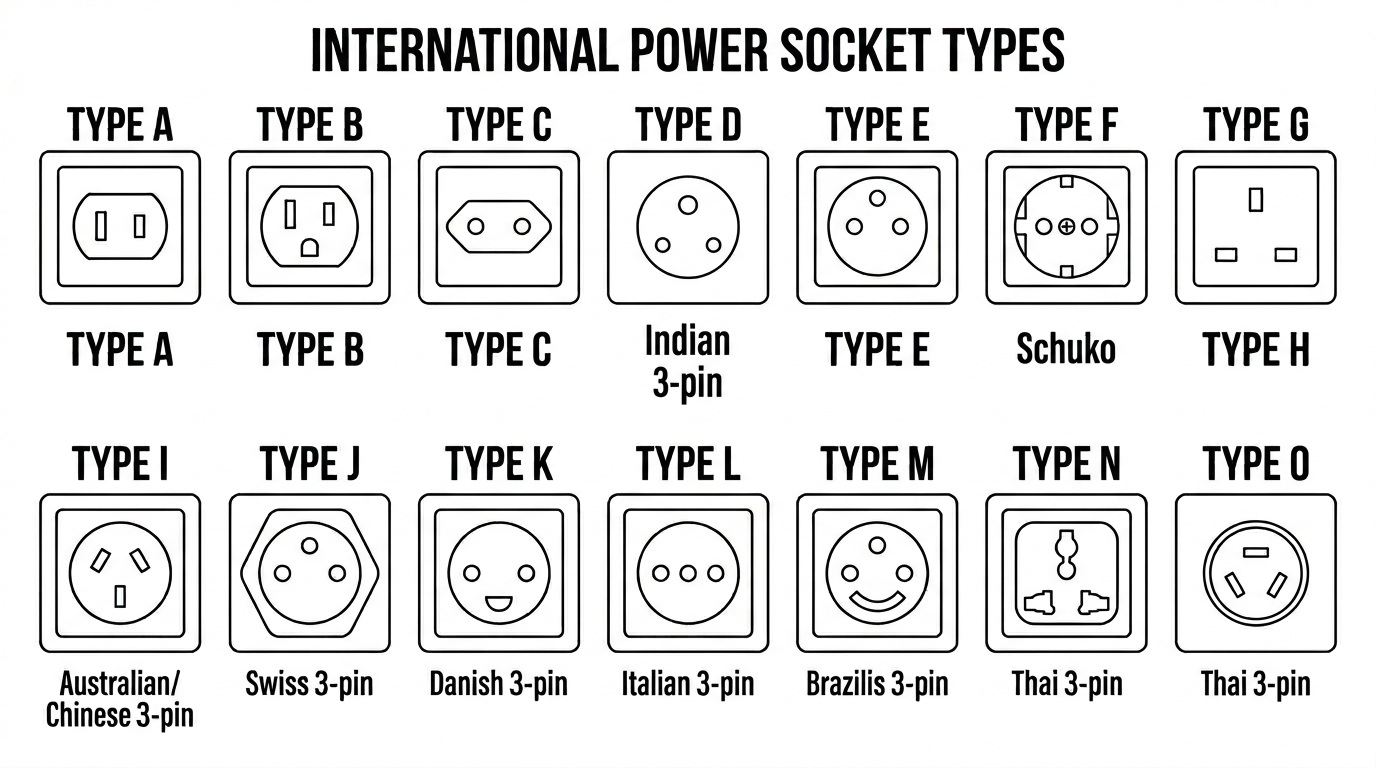
Type C and F
Type C and Type F (Schuko)
See the sockets
Tipping
Tipping is not mandatory but is appreciated for good service. In restaurants, a 5-10% tip is common if service isn't included. For taxi drivers, rounding up the fare is typical. Hotel staff may appreciate a small tip for exceptional service.
SIM / Data
Local SIM cards are readily available at Riga International Airport (RIX), convenience stores, and dedicated operator shops (LMT, Tele2, Bite). They are affordable and offer good data plans. Ensure your phone is unlocked.
Visa
Latvia is part of the Schengen Area. Citizens of many countries, including the US, Canada, Australia, and most EU countries, can enter without a visa for short stays (up to 90 days in any 180-day period). Other nationalities may require a Schengen visa. Check specific requirements based on your nationality prior to travel.
Driving Side
Right
How do you get around Latvia?
Public Transport
In Riga, public transport is efficient and extensive, consisting of trams, trolleybuses, and buses. Tickets can be purchased at Narvesen kiosks, ticket machines, or from the driver (at a higher price). The 'e-talons' card offers better value for multiple rides. Major cities also have local bus networks.
Ride-hailing
- Bolt
Intercity
Buses are the most common and convenient way to travel between Latvian cities, with an extensive network connecting almost all towns. Trains are available for some routes (e.g., Riga to Jurmala, Daugavpils), but the network is less comprehensive than the bus system. Car rentals are also widely available for more flexibility.
Culture and customs
Customs
- Punctuality is valued in both business and social settings.
- Remove your shoes when entering someone's home.
- Direct eye contact is common and a sign of sincerity.
- It is polite to offer a small gift when invited to someone's home.
- Latvians can be reserved initially but are warm and hospitable once you get to know them.
Dress Code
Dress is generally casual, but smart casual is appropriate for dining out or attending cultural events. For religious sites, modest attire is appreciated (shoulders and knees covered).
Religious Etiquette
When visiting churches or other places of worship, dress respectfully, keep your voice down, and avoid disruptive behavior. Photography may be restricted in some areas.
Common Phrases
- LabdienHello (Good day)
- PaldiesThank you
- LūdzuPlease/You're welcome
- AtvainojietExcuse me/Sorry
- JāYes
- NēNo
- Uz redzēšanosGoodbye
Highlights
Sports & Recreation
Ice hockey is by far the most popular sport, with a strong national team and passionate fans. Basketball is also very popular.
Latvians have a strong national pride in their sports achievements, especially in ice hockey. Many participate in active outdoor recreation, including cycling, hiking, swimming, and water sports in summer, and cross-country skiing, ice skating, and ice hockey in winter. Basketball is also widely followed and played.
National Festivals
- June 23-24
Jāņi (Midsummer's Eve and Day)
The most important and widely celebrated national holiday. It's a pre-Christian summer solstice festival involving bonfires, singing, dancing, feasting, and wearing flower wreaths. Many Latvians travel to the countryside to celebrate.
- November 18
Latvian Independence Day
Commemorates the proclamation of the Republic of Latvia in 1918. Celebrations include parades, concerts, and fireworks. Many people attend patriotic events and light candles.
- November 11
Lāčplēsis Day (Remembrance Day for Fallen Heroes)
A day to honor soldiers who fought for Latvia's independence. It is marked by solemn ceremonies and the lighting of candles at the Riga Castle walls and Freedom Monument.
Cities in Latvia
Planning Latvia?
Try a ready-made trip first.
Open the demo trip with no sign-up: Barcelona on your own, or Rome, Florence and Venice as a group. Then plan Latvia your way.