
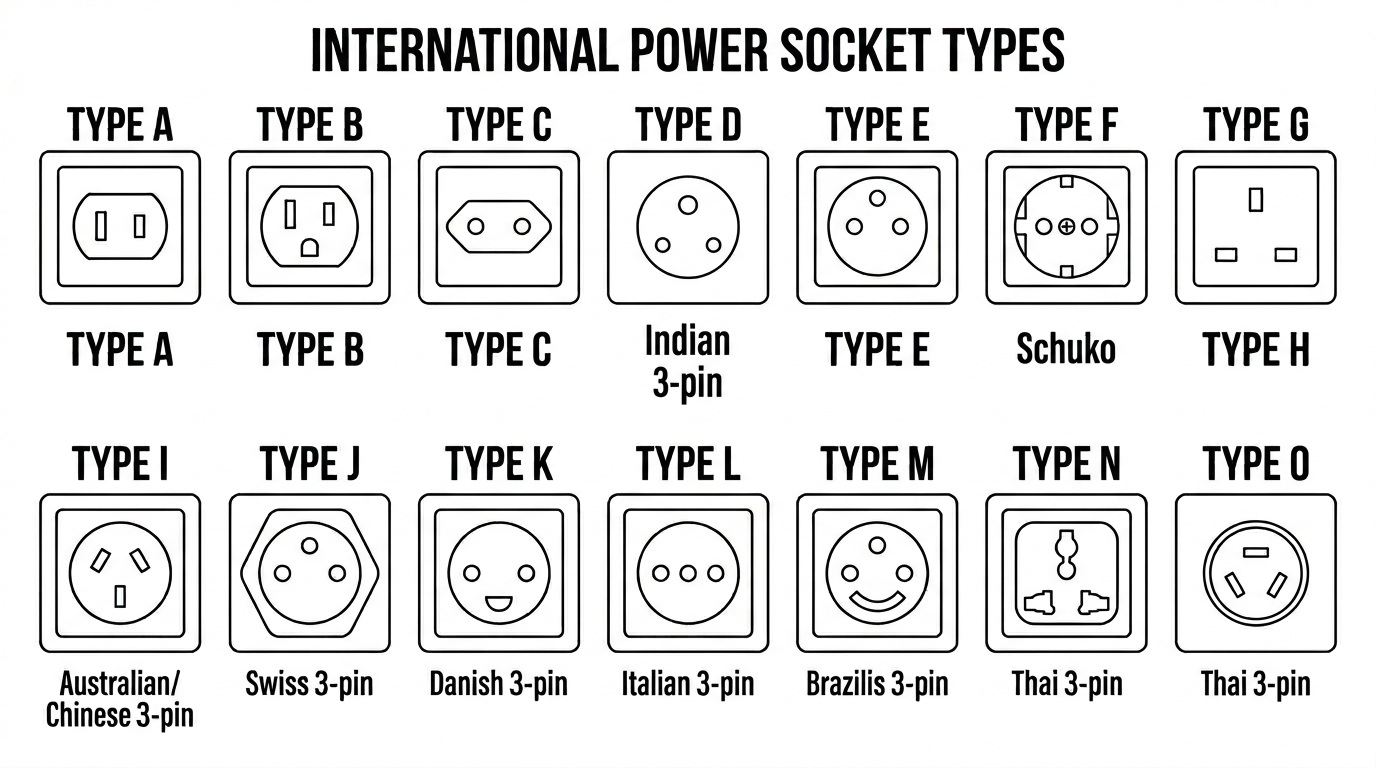
Switzerland uses the Swiss Franc, type J and C plugs and 112 for emergencies. Switzerland is generally a very safe country with low crime rates.
Emergency Numbers
How safe is Switzerland?
- Very Safe
- Generally Safe
- Exercise Caution
- High Risk
- Dangerous
Switzerland is generally a very safe country with low crime rates. However, like any tourist destination, pickpocketing can occur in crowded areas, especially around major train stations, popular attractions, and public transport. Be aware of your surroundings and keep valuables secure.
Advisories (5)
Scams
- Be wary of 'petition' scams where individuals distract you while an accomplice pickpockets you.
- Avoid unofficial taxi services that may overcharge. Use official taxis or ride-hailing apps.
- Exercise caution with unsolicited offers or individuals approaching you with 'deals' that seem too good to be true.
Warnings
- While generally safe, travelers engaging in high-altitude hiking, mountaineering, or winter sports should be aware of natural hazards such as avalanches, rockfalls, and rapidly changing weather conditions. Always check local forecasts and trail conditions.
- Follow marked trails and heed warnings in nature reserves or protected areas.
Practical Info
Currency
Swiss Franc (CHF)
Power Plug
Type J and C
Type J (also compatible with Type C if ungrounded)
See the sockets
Tipping
Tipping is not mandatory in Switzerland as service charges are included in prices. However, it is common to round up the bill or leave a small amount (5-10%) for excellent service in restaurants and for taxi drivers. For hotel staff, a few francs for good service is appreciated.
SIM / Data
Purchasing a local SIM card from providers like Swisscom, Sunrise, or Salt is recommended for better data rates. eSIM options are also widely available and convenient for travelers. Free public Wi-Fi is often available in hotels, cafes, and major public spaces.
Visa
Switzerland is part of the Schengen Area. Many nationalities can enter Switzerland visa-free for stays of up to 90 days within a 180-day period for tourism or business. However, specific visa requirements vary by nationality. It is crucial to check the latest requirements with the Swiss embassy or consulate in your home country before traveling.
Driving Side
Right-hand side
How do you get around Switzerland?
Public Transport
Switzerland has one of the world's most efficient and comprehensive public transport networks, including trains (SBB), buses, trams, and boats. The Swiss Travel Pass offers unlimited travel on this network and discounts on mountain excursions. It is highly recommended for tourists.
Ride-hailing
- Uber
- Boltavailable in some cities
Intercity
Intercity travel is predominantly by train, operated by the Swiss Federal Railways (SBB). Trains are punctual, comfortable, and offer breathtaking scenic routes. Long-distance buses connect some areas, but trains are generally faster and more convenient for major city-to-city travel. For remote mountain regions, postbuses (PostAuto) provide essential connections.
Culture and customs
Customs
- Punctuality is highly valued in Switzerland. Arriving on time for appointments or social engagements is expected.
- Respect for privacy is important. Personal space is generally observed, and direct personal questions may be considered intrusive.
- Recycling is a significant part of daily life. Visitors are encouraged to sort their waste properly.
- Greetings often involve a handshake. In more formal settings, 'Grüezi' (German), 'Bonjour' (French), or 'Buongiorno' (Italian) are common.
- Observe quiet hours, especially in residential areas, typically from 10 PM to 7 AM and sometimes during lunchtime on Sundays.
Dress Code
Dress is generally smart casual. For city visits and fine dining, a more polished appearance is appropriate. For outdoor activities, practical and layered clothing suitable for varying mountain weather is essential.
Religious Etiquette
Switzerland is predominantly Christian (Catholic and Protestant). When visiting churches or other religious sites, dress respectfully, avoid loud conversations, and be mindful of ongoing services. While not as strict as some other countries, a general sense of decorum is appreciated.
Common Phrases
- GrüeziHello (Swiss German, formal)
- DankeThank you (German)
- BittePlease / You're welcome (German)
- BonjourHello (French)
- MerciThank you (French)
- S'il vous plaîtPlease (French)
- CiaoHello / Goodbye (Italian, informal)
- GrazieThank you (Italian)
- Per favorePlease (Italian)
Highlights
Sports & Recreation
Skiing and Snowboarding (winter); Hiking and Mountaineering (summer)
Switzerland boasts a vibrant outdoor sports culture, deeply ingrained in its mountainous landscape. Winter sports like skiing, snowboarding, and ice skating are immensely popular. In warmer months, hiking, mountaineering, cycling, paragliding, and water sports on its many lakes are favored activities. Many Swiss people maintain an active lifestyle and participate in various sports year-round.
National Festivals
- August 1st
Swiss National Day
Commemorates the founding of the Swiss Confederation. Celebrations include bonfires, fireworks, parades, and speeches across the country, particularly in rural areas and on mountain tops.
- February/March (dates vary annually)
Fasnacht (Carnival)
A vibrant pre-Lenten carnival, most famously celebrated in Basel (Morgenstreich) with elaborate costumes, masks, parades, and traditional music. Other regions also have their unique Fasnacht traditions.
- Early August
Geneva Festival (Fêtes de Genève)
A major summer festival in Geneva featuring concerts, street performances, food stalls, and a spectacular fireworks display over Lake Geneva on the final Saturday.
- Fourth Monday of November
Zibelemärit (Onion Market)
A traditional folk festival in Bern where thousands gather to celebrate the onion. Stalls sell onions in various forms, garlic, and traditional crafts and food. It typically starts very early in the morning.
Cities in Switzerland
Planning Switzerland?
Try a ready-made trip first.
Open the demo trip with no sign-up: Barcelona on your own, or Rome, Florence and Venice as a group. Then plan Switzerland your way.