
Burkina Faso Travel Guide. Essential travel information — emergency numbers, safety, currency, visas, customs and getting around.
Emergency Numbers
How safe is Burkina Faso?
- Very Safe
- Generally Safe
- Exercise Caution
- High Risk
- Dangerous
Burkina Faso is in the grip of a severe security crisis. A jihadist insurgency linked to groups affiliated with al-Qaeda (JNIM) and the Islamic State has spread across much of the country, displacing over two million people and leaving large areas outside government control. Armed attacks, kidnappings of foreigners, IEDs on roads, and intercommunal violence are frequent. Two military coups occurred in 2022, and the political situation remains unstable. Most Western governments advise against all travel to the entire country, citing terrorism, kidnapping, and armed conflict. The capital Ouagadougou and the southwest (Bobo-Dioulasso) are comparatively less affected but are not immune. This is not a routine tourist destination; anyone with a compelling reason to travel must arrange professional security advice, register with their embassy, and avoid all overland travel outside secured areas.
Advisories (9)
Scams
- Fake or unofficial 'guides' and fixers approach tourists in Ouagadougou and Bobo-Dioulasso offering tours, hotel help, or currency exchange, then demand inflated fees or lead to overpriced shops. Use only guides arranged through reputable hotels or tour operators.
- Taxi overcharging is common since fares are unmetered — drivers may quote a high price to obvious foreigners. Always negotiate and agree the fare before getting in, and ask your hotel for the going rate.
- Currency-exchange and counterfeit-note tricks: only change money at banks or licensed bureaux de change, count notes carefully, and be wary of street money-changers offering favorable rates.
- Advance-fee and romance/charity scams originating from the region target foreigners online; never send money to people you have not met, and be skeptical of unsolicited requests for help with fees or transfers.
Warnings
- Most Western governments (including the US, UK, Canada, and Australia) advise against ALL travel to the whole of Burkina Faso due to terrorism, kidnapping, and armed conflict.
- Active jihadist insurgency (JNIM and ISIS-affiliated groups) controls or contests large parts of the Sahel, North, East, Boucle du Mouhoun, Centre-Nord, and Cascades regions; deadly attacks on civilians, security forces, and villages are frequent.
- High risk of kidnapping of foreigners for ransom by armed groups, particularly outside the capital; victims may be held for long periods or killed.
- Roadside improvised explosive devices (IEDs) and ambushes make overland travel between towns extremely dangerous; avoid all non-essential road travel.
- Political instability following the 2022 coups; demonstrations, curfews, and security operations can occur with little warning. Consular assistance is severely limited.
Practical Info
Currency
West African CFA franc (XOF)
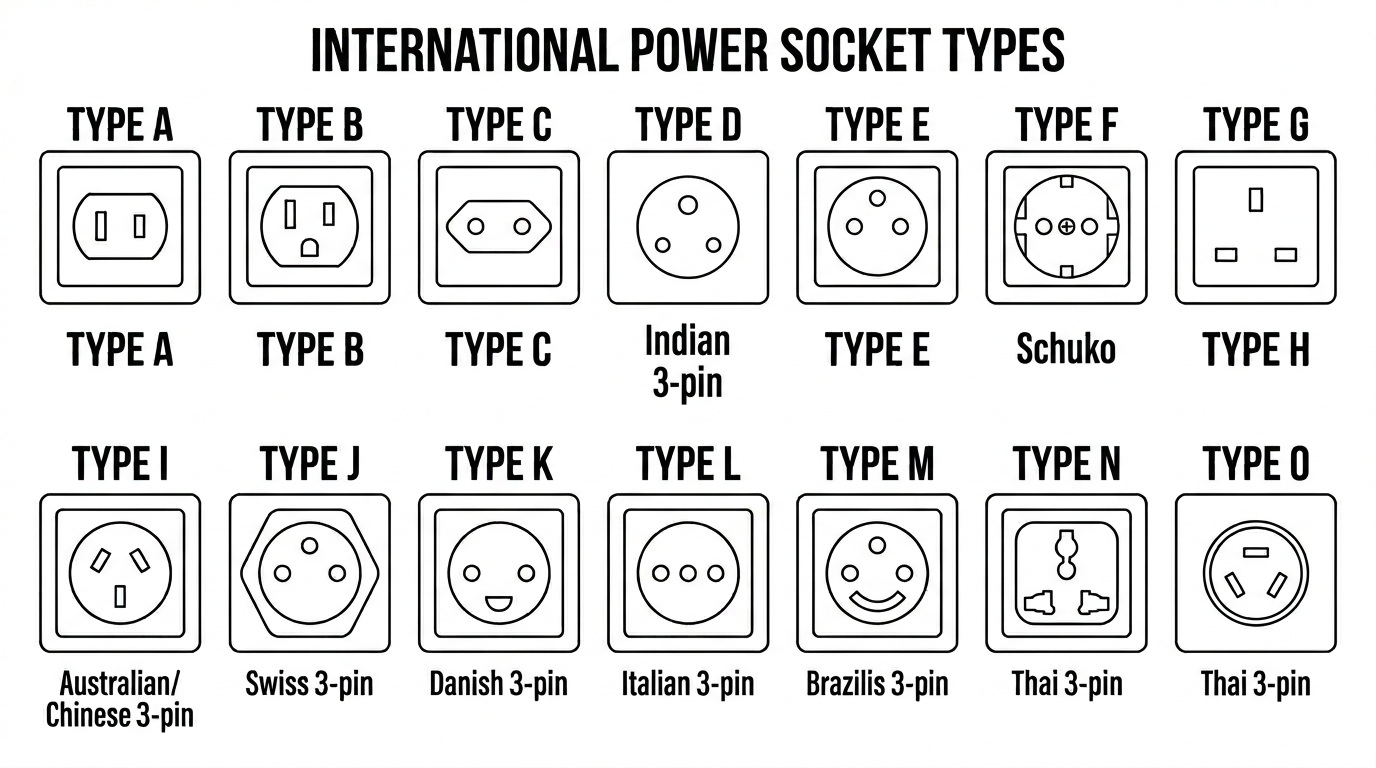
Power Plug
Type C and E
Types C and E, 220V, 50Hz
See the sockets
Tipping
Tipping is not deeply ingrained but is appreciated for good service. In upscale restaurants and hotels catering to foreigners, rounding up or leaving 5–10% is welcome. Small tips for guides, drivers, and hotel staff are customary. In ordinary local eateries, tipping is not expected.
SIM / Data
The main mobile operators are Orange Burkina Faso, Moov Africa, and Telecel Faso. Local SIM cards are inexpensive and available in Ouagadougou and Bobo-Dioulasso; bring your passport to register the SIM. Coverage is decent in cities but patchy or absent in rural and insecure areas. Orange generally offers the broadest 4G coverage.
Visa
Most visitors require a visa. Burkina Faso offers an e-visa for many nationalities, and visas on arrival are available at Ouagadougou airport for some travelers, but policies change — confirm current requirements with a Burkinabè embassy before travel. A passport valid for at least six months and proof of yellow fever vaccination are mandatory for entry. Given the security situation, check your government's travel advisory before applying.
Driving Side
Right
How do you get around Burkina Faso?
Public Transport
Within cities, the most common ways to get around are shared green taxis (taxis-brousse within town) and the ubiquitous motorbikes and mopeds that dominate Ouagadougou's streets, earning it a reputation as a city of two-wheelers. Taxis are not metered, so agree a fare before getting in. There is no metro or formal urban rail. Minibuses and shared bush taxis serve shorter routes between towns.
Ride-hailing
- No widely established international ride-hailing app (Uber/Bolt are not operational); rely on registered green taxis, hotel-arranged cars, and negotiated fares
Intercity
Intercity travel is dominated by private bus companies running between major towns. Reputable lines such as TCV (Transport Confort Voyageur), Rakieta, and STAF connect Ouagadougou, Bobo-Dioulasso, Koudougou, and other hubs on the paved main roads. Buy tickets at the company station in advance. A single railway line runs from Ouagadougou through Bobo-Dioulasso to Abidjan in Côte d'Ivoire, but passenger service is limited and unreliable. CRITICAL: many regions, especially the Sahel, East, and North, are off-limits due to insecurity; intercity road travel outside the southwest and capital can be dangerous, with risk of armed attacks and roadside IEDs.
Culture and customs
Customs
- Greetings are essential and never rushed. Before any conversation or transaction, take time to ask about a person's health, family, and well-being. Skipping greetings is considered rude.
- Always use the right hand for eating, giving, and receiving items. The left hand is considered unclean. When eating communal meals like tô (millet or sorghum porridge) from a shared bowl, use only your right hand.
- Hospitality is deeply valued. Visitors are commonly offered water as a welcome gesture; accepting it is a sign of respect. In rural areas you may be offered dolo (local millet beer).
- Burkinabè society places great importance on respect for elders. Defer to older people in conversation, greet them first, and use both hands or a slight bow when handing them something.
- Bargaining is normal and expected in markets, but it should be done with good humor and patience rather than aggression. A friendly back-and-forth is part of the social exchange.
- Ask permission before photographing people, military or government buildings, and religious sites. Many people, especially in rural areas, may decline or expect a small gesture in return.
Dress Code
Modest, lightweight clothing suited to a hot Sahelian climate. In this predominantly Muslim country (with large Christian and traditional-religion populations), women should keep shoulders and knees covered, especially in rural areas and when visiting mosques. Men typically wear long trousers; shorts mark you as a tourist. Bright, colorful wax-print and locally woven Faso Dan Fani cotton fabrics are a national point of pride. Cover up when entering mosques and remove shoes.
Religious Etiquette
Burkina Faso is religiously diverse and traditionally tolerant: roughly 60% Muslim, with significant Christian (Catholic and Protestant) and indigenous animist communities, often within the same family. Dress modestly and remove your shoes before entering a mosque; non-Muslims may not be permitted inside some prayer halls. During Ramadan, avoid eating, drinking, or smoking in public during daylight out of respect. Indigenous beliefs remain strong, with sacred sites, fetishes, and animist shrines (such as the sacred catfish and crocodiles); always ask before approaching or photographing them and respect local taboos.
Common Phrases
- BonjourHello / Good morning (French, the official language)
- Ça va?How are you? / Are you well?
- MerciThank you
- Ne y windga (Mooré: Ne y yibeoogo)Good morning (in Mooré, the most widely spoken local language)
- BarkaThank you (in Mooré)
- Combien?How much? (essential for markets and taxis)
Highlights
Sports & Recreation
Football (soccer)
Football is by far the most popular sport in Burkina Faso. The national team, nicknamed Les Étalons (The Stallions) after the legendary horse of Princess Yennenga, is a source of intense national pride; their finest moment was reaching the final of the 2013 Africa Cup of Nations. Matches are followed passionately, and informal games are played in streets and dusty pitches everywhere. Cycling also has a notable following, with the Tour du Faso being one of Africa's best-known road cycling races. Traditional wrestling features prominently in cultural festivals.
National Festivals
- Late February / early March (biennial, odd years)
FESPACO (Panafrican Film and Television Festival of Ouagadougou)
Africa's largest film festival and one of the continent's premier cultural events, held every two years in Ouagadougou. It draws filmmakers, stars, and audiences from across Africa and the diaspora to compete for the top prize, the Étalon d'Or de Yennenga.
- Late October / early November (biennial, even years)
SIAO (International Art and Craft Fair of Ouagadougou)
A major pan-African trade fair showcasing African arts and crafts — bronze, textiles, leather, woodwork, and sculpture — attracting artisans and buyers from across the continent every two years.
- August 5
Independence Day
Commemorates Burkina Faso's independence from France in 1960, marked by official ceremonies and parades.
- Variable (March–April), every two years
Semaine Nationale de la Culture (SNC)
The National Culture Week held in Bobo-Dioulasso, celebrating Burkinabè music, dance, traditional wrestling, cuisine, and crafts from all regions of the country.
Planning Burkina Faso?
Try a ready-made trip first.
Open the demo trip with no sign-up: Barcelona on your own, or Rome, Florence and Venice as a group. Then plan Burkina Faso your way.