
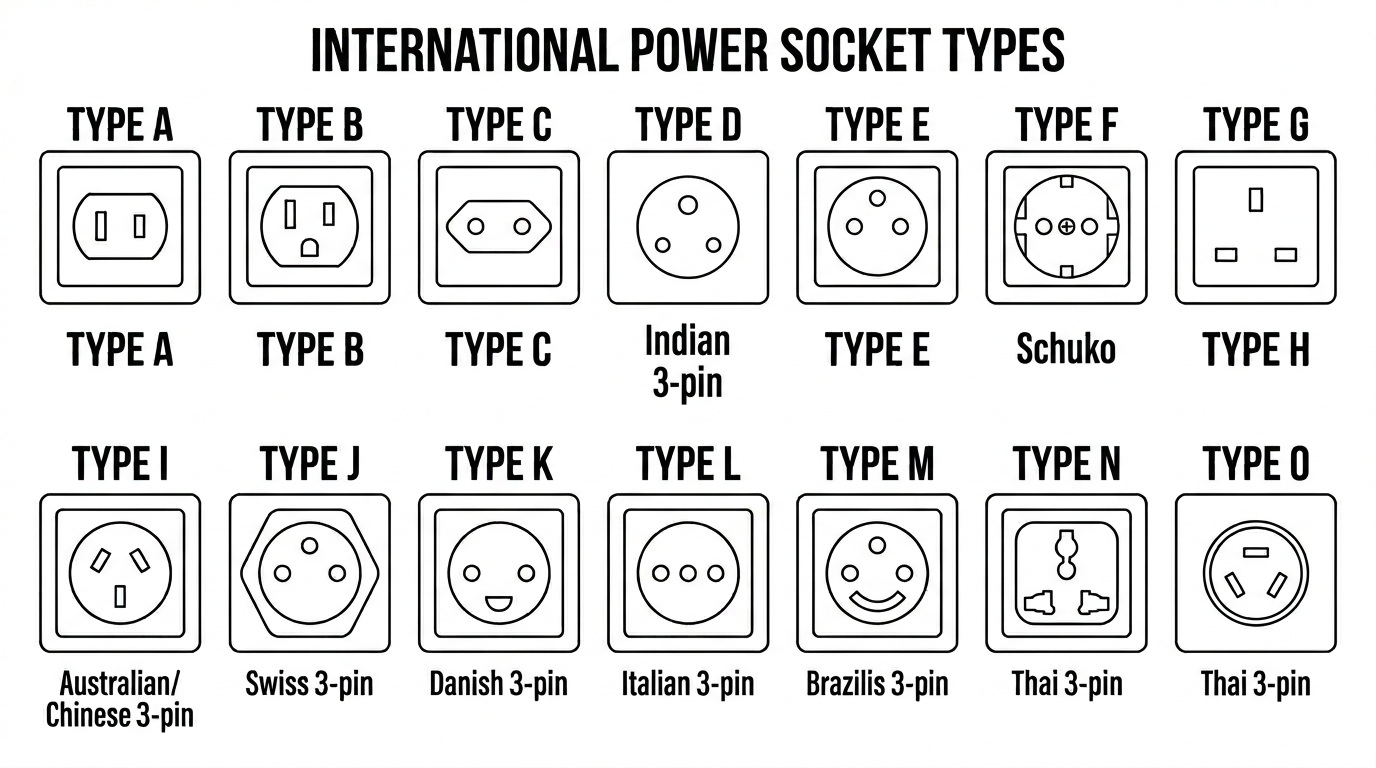
Canada uses the Canadian Dollar, type A and B plugs and 911 for emergencies. Canada is generally a very safe country with low crime rates.
Emergency Numbers
How safe is Canada?
- Very Safe
- Generally Safe
- Exercise Caution
- High Risk
- Dangerous
Canada is generally a very safe country with low crime rates. Major cities are safe, but like anywhere, exercise caution in crowded areas and at night. Rural areas and national parks require awareness of wildlife and weather conditions.
Advisories (5)
Scams
- Be wary of unsolicited calls or emails requesting personal information or money, especially those claiming to be from government agencies.
- In tourist heavy areas, be mindful of your belongings to prevent petty theft like pickpocketing.
Warnings
- Be prepared for extreme weather conditions, especially during winter (heavy snow, cold temperatures) and in certain regions during summer (forest fires, heatwaves).
- When hiking or exploring natural areas, be aware of wildlife (bears, moose, etc.) and follow park guidelines.
- Road conditions can vary significantly by season and region; check forecasts and road reports before long drives.
Practical Info
Currency
Canadian Dollar (CAD)
Power Plug
Type A and B
Type A and Type B (two flat parallel pins or two flat parallel pins and a round grounding pin)
See the sockets
Tipping
Tipping is customary and expected for good service in restaurants (15-20% of the bill), bars, and for services like taxi drivers, hairdressers, and hotel staff. A minimum of 15% is standard for satisfactory service.
SIM / Data
Major mobile carriers are Rogers, Bell, and Telus. You can purchase prepaid SIM cards or eSIMs from these providers or their sub-brands (e.g., Fido, Koodo, Virgin Plus) at airports, convenience stores, or carrier stores. Coverage is generally excellent in populated areas but can be spotty in remote regions.
Visa
Visa requirements vary by nationality. Many visitors are visa-exempt but must obtain an Electronic Travel Authorization (eTA) if arriving by air. Others require a Temporary Resident Visa. Check the official Government of Canada website for specific requirements based on your country of origin.
Driving Side
Right-hand side
How do you get around Canada?
Public Transport
Major cities like Toronto, Montreal, and Vancouver have extensive public transit systems including subways, buses, and streetcars/light rail. Fares are typically paid with reloadable cards or single-use tickets. Public transport is reliable and a good way to navigate urban areas.
Ride-hailing
- Uber
- Lyft
Intercity
For intercity travel, VIA Rail Canada offers train services connecting many cities, particularly in the Quebec City-Windsor Corridor. Bus services (e.g., local operators, some Greyhound routes) are available. Domestic flights are common for longer distances, with Air Canada and WestJet being the primary carriers.
Culture and customs
Customs
- Canadians are generally polite and value personal space. It's common to say 'please' and 'thank you' frequently.
- Punctuality is appreciated, especially for appointments or social gatherings.
- It's common to hold doors open for others and to apologize, even for minor inconveniences.
- Environmental consciousness is high; recycling and waste separation are widely practiced.
Dress Code
Casual dress is acceptable in most settings. For fine dining or special events, smart casual attire is appropriate. Always dress in layers, especially when exploring outdoors, to account for changing weather.
Religious Etiquette
Canada is a multicultural and secular country, highly valuing religious freedom and diversity. Respect for all faiths and beliefs is expected. When visiting religious sites, it's advisable to dress modestly and follow any specific guidelines posted.
Common Phrases
- Hello / HiBonjour
- Thank youMerci
- Excuse me / SorryPardon / Désolé(e)
- Do you speak English?Parlez-vous anglais?
Highlights
Sports & Recreation
Ice Hockey
Ice hockey is Canada's national winter sport and deeply ingrained in its culture, with passionate fans and numerous professional leagues. Beyond hockey, Canadians embrace a wide range of outdoor activities including skiing, snowboarding, ice skating, hiking, camping, fishing, and kayaking, reflecting the country's vast natural landscapes.
National Festivals
- July 1
Canada Day
A national holiday celebrating Canada's confederation. Festivities include parades, fireworks, concerts, and family-friendly events across the country.
- February (various dates)
Winterlude
Held annually in Ottawa, this festival celebrates Canada's unique northern culture and climate with ice sculptures, snow playgrounds, and public skating on the Rideau Canal Skateway.
- Early July (10 days)
Calgary Stampede
A world-famous annual rodeo, exhibition, and festival held in Calgary, Alberta, celebrating cowboy culture with parades, chuckwagon races, concerts, and a fairground.
Cities in Canada
Planning Canada?
Try a ready-made trip first.
Open the demo trip with no sign-up: Barcelona on your own, or Rome, Florence and Venice as a group. Then plan Canada your way.