
Cambodia Travel Guide. Essential travel information — emergency numbers, safety, currency, visas, customs and getting around.
Emergency Numbers
How safe is Cambodia?
- Very Safe
- Generally Safe
- Exercise Caution
- High Risk
- Dangerous
Cambodia is generally safe for tourists, but petty crime like pickpocketing and bag snatching is common, especially in crowded tourist areas and at night. Be aware of your surroundings and secure your belongings. Traffic can be chaotic, so exercise caution when walking or crossing roads. Avoid unlit areas after dark.
Advisories (8)
Scams
- Tuk-tuk drivers overcharging or taking you to shops instead of your requested destination.
- Fake monks soliciting donations.
- Individuals approaching tourists with 'milk' scams, asking you to buy expensive milk powder for their baby.
- Gem scams where tourists are pressured into buying fake or low-quality gems at inflated prices.
- Drug scams where tourists are offered drugs and then extorted or reported to police.
Warnings
- Unexploded ordnance (UXO) and landmines are still present in rural areas, particularly in former conflict zones. Stick to well-marked paths and never venture into unmarked fields or forests.
- Political demonstrations can occasionally occur in Phnom Penh; while usually peaceful, it's advisable to avoid large gatherings.
- Be cautious about what you eat and drink to avoid food and waterborne illnesses.
Practical Info
Currency
Cambodian Riel (and US Dollar) (KHR)
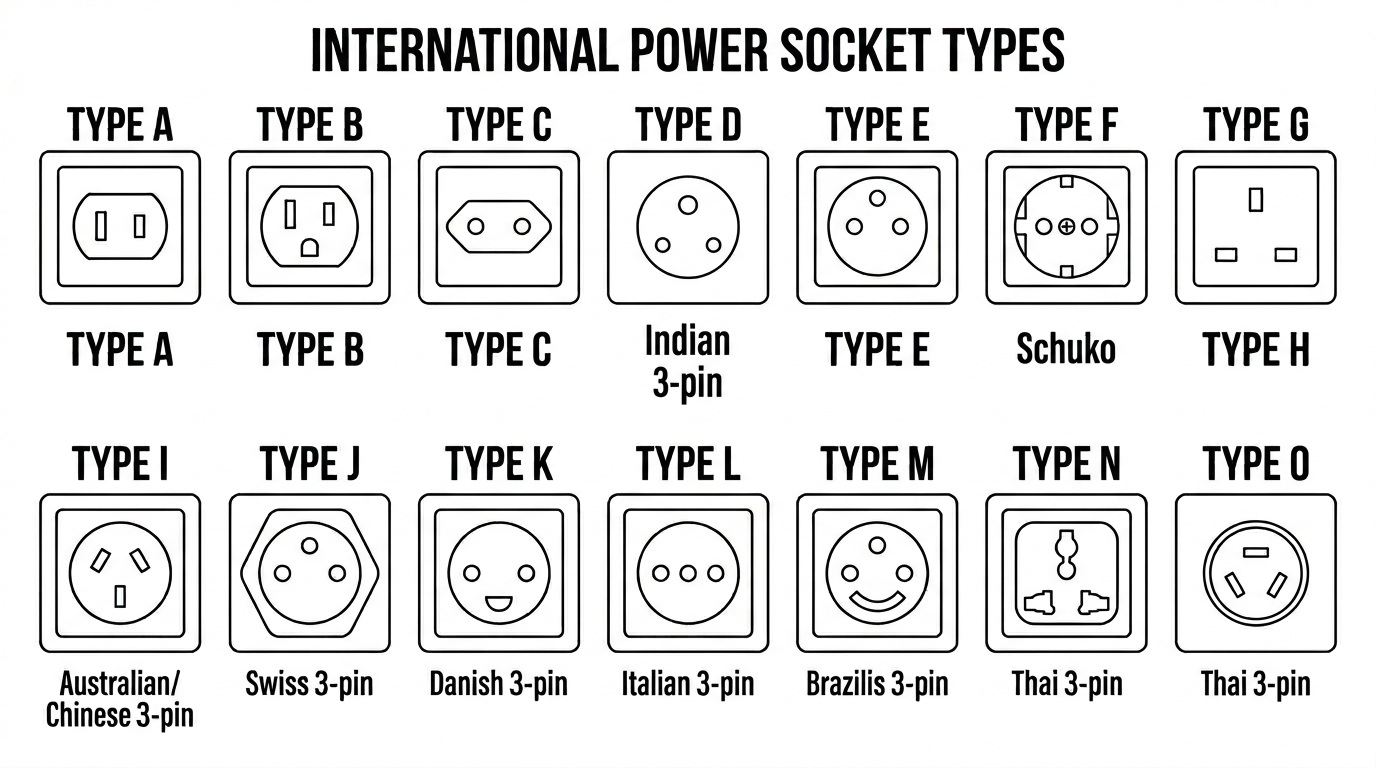
Power Plug
A, C, G
See the sockets
Tipping
Tipping is not mandatory but highly appreciated, especially in the service industry. For good service, consider leaving 10-15% at restaurants, rounding up taxi/tuk-tuk fares, and leaving a small amount for hotel staff.
SIM / Data
Local SIM cards are affordable and widely available at airports and convenience stores. Major providers include Cellcard, Smart Axiata, and Metfone. You'll need your passport to register. Data packages are inexpensive and offer good coverage in most populated areas.
Visa
Most nationalities require a visa to enter Cambodia. A visa on arrival is available at international airports (Phnom Penh, Siem Reap) and land borders for a fee (typically USD 30 for a tourist visa). An e-visa can also be obtained online prior to travel. Ensure your passport is valid for at least six months beyond your intended stay and you have a recent passport-sized photo.
Driving Side
Right
How do you get around Cambodia?
Public Transport
In major cities like Phnom Penh, public bus networks are expanding but may not cover all tourist areas comprehensively. For most tourists, tuk-tuks, moto-dops (motorcycle taxis), and cycle rickshaws ('cyclo') are the primary modes of short-distance transport. Agree on a fare before starting your journey.
Ride-hailing
- Grab
- PassApp
Intercity
Buses and minivans are the most common and affordable options for intercity travel, connecting major towns and tourist destinations. Several reputable companies operate routes. Flights are available between Phnom Penh, Siem Reap, and Sihanoukville for quicker travel. Train services are limited but are slowly being revitalized.
Culture and customs
Customs
- The traditional greeting is 'Chum Reap Suor' (formal) or 'Suosdey' (informal), often accompanied by a 'Sampeah' (palms pressed together in a prayer-like gesture, with a slight bow).
- Remove your shoes before entering someone's home or a temple.
- It is considered rude to touch someone's head, as it is the most sacred part of the body.
- Avoid pointing with your finger; use an open hand instead.
- Pass objects, especially money, with both hands or your right hand.
- Do not show public displays of affection.
Dress Code
Dress modestly, especially when visiting religious sites. Shoulders and knees should be covered. Lightweight, breathable clothing is recommended due to the warm climate.
Religious Etiquette
Cambodia is predominantly Theravada Buddhist. When visiting temples (wats): remove your shoes and hats, do not point your feet at Buddha images or people, sit with your feet tucked to the side, and speak in a respectful, low tone. Women should not touch monks.
Common Phrases
- Chum Reap SuorHello/Goodbye (formal)
- SuosdeyHello (informal)
- ArkounThank you
- Som TohExcuse me/Sorry
- Chhnam Muay?How much?
- Baht (male)/Jah (female)Yes
- TehNo
Highlights
Sports & Recreation
Football (soccer)
Football is widely popular, with local and international matches followed enthusiastically. Kun Khmer (Cambodian boxing), a traditional martial art, is also deeply ingrained in the culture, with matches drawing large crowds and featuring traditional music and rituals.
National Festivals
- Mid-April (typically April 13-15)
Khmer New Year (Chaul Chnam Thmey)
The most important holiday, marking the end of the harvest season. Celebrated with traditional games, temple visits, family gatherings, and cleansing rituals.
- September/October (15-day festival, main day varies annually)
Pchum Ben (Ancestor's Day)
A significant religious festival dedicated to honoring ancestors. People visit pagodas to offer food and prayers to monks to bless their deceased relatives.
- November (dates vary based on the lunar calendar)
Water Festival (Bon Om Touk)
Celebrates the end of the rainy season and the changing flow of the Tonle Sap River. The highlight is colorful boat races on the river, accompanied by concerts, parades, and fireworks.
- May 14
King's Birthday
A public holiday celebrating the birthday of His Majesty King Norodom Sihamoni, observed nationwide.
Cities in Cambodia
Planning Cambodia?
Try a ready-made trip first.
Open the demo trip with no sign-up: Barcelona on your own, or Rome, Florence and Venice as a group. Then plan Cambodia your way.