
Malta uses the Euro, type G plugs and 112 for emergencies. Malta is generally a very safe country with a low crime rate.
Emergency Numbers
How safe is Malta?
- Very Safe
- Generally Safe
- Exercise Caution
- High Risk
- Dangerous
Malta is generally a very safe country with a low crime rate. However, as with any popular tourist destination, petty crime such as pickpocketing can occur, particularly in crowded areas like markets, bus terminals, and popular tourist sites.
Advisories (5)
Scams
- Pickpocketing in crowded tourist areas and on public transport.
- Overcharging by unlicensed taxis. Always agree on a fare beforehand or use ride-hailing apps.
- Bait-and-switch tactics at some souvenir shops or tourist services.
Warnings
- No major travel warnings are typically issued for Malta. Standard precautions against petty crime are advised.
- Be aware of strong sun and heat during summer months and take appropriate measures to stay hydrated and protected.
Practical Info
Currency
Euro (EUR)
Power Plug
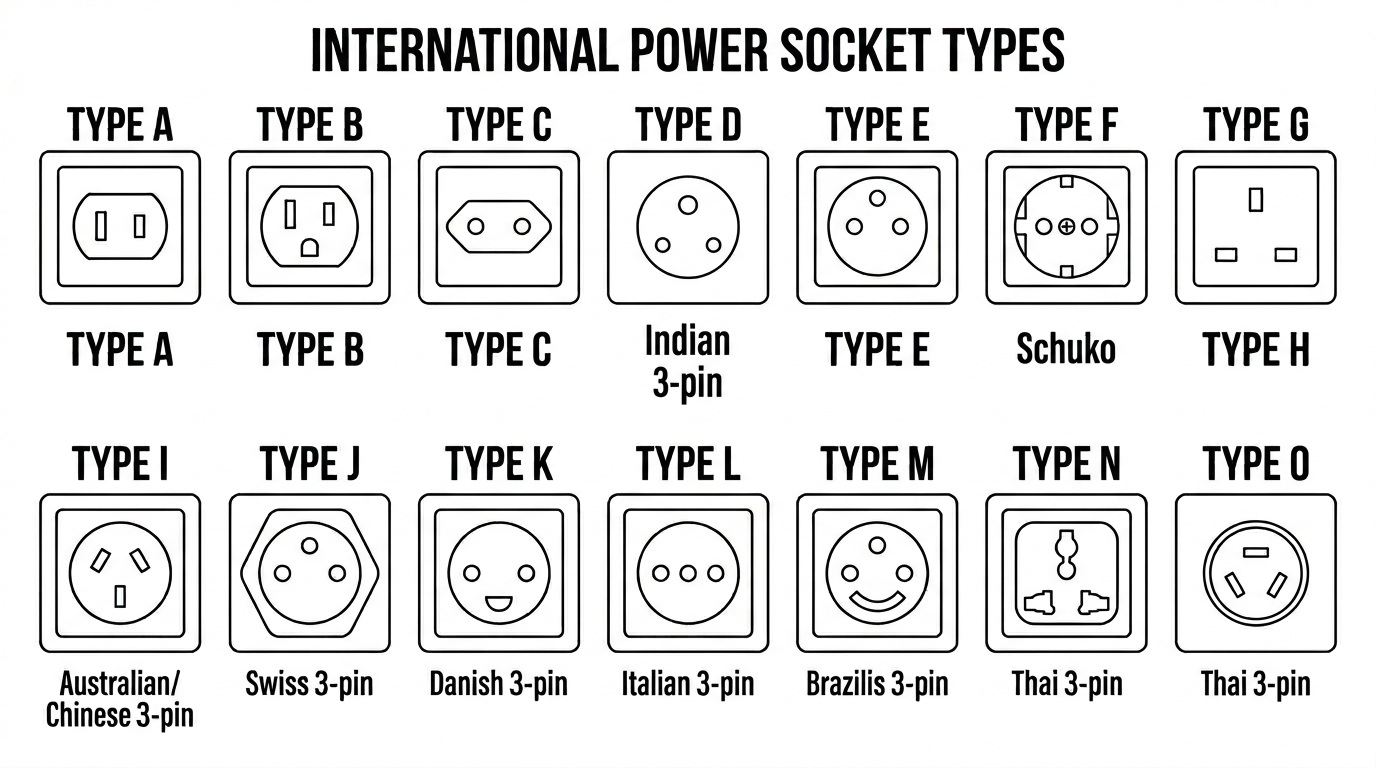
Type G
Type G (UK style, three rectangular pins)
See the sockets
Tipping
Tipping is not mandatory but is appreciated for good service. In restaurants, a 5-10% tip is common. For taxi drivers, rounding up the fare is customary. For hotel staff, a small tip for good service is also appreciated.
SIM / Data
Local SIM cards are readily available from providers like GO, Epic, and Melita at the airport or various retail outlets. They offer good coverage and affordable data plans. eSIMs are also an option for compatible phones.
Visa
Malta is part of the Schengen Area. Citizens of EU/EEA countries do not require a visa. Non-EU/EEA citizens may require a Schengen visa, depending on their nationality and the length of their stay. Always check the latest visa requirements with the Maltese embassy or consulate in your home country before travel.
Driving Side
Left
How do you get around Malta?
Public Transport
Malta has an extensive and affordable public bus network that covers most of the island and Gozo. Buses are a convenient way to get around, connecting major towns, tourist attractions, and beaches. A 'Tallinja Card' can be purchased for cheaper fares.
Ride-hailing
- Bolt
- eCabs
Intercity
For travel between the main island of Malta and its sister island Gozo, a regular car and passenger ferry service operates from Cirkewwa (Malta) to Mġarr (Gozo). Additionally, fast ferry services connect Valletta directly to Gozo.
Culture and customs
Customs
- Maltese people are generally friendly and hospitable. Politeness and respect are highly valued.
- Family is central to Maltese culture, and you may observe strong family bonds.
- Punctuality can be more relaxed than in some other cultures, especially for social engagements.
- It's customary to greet people with 'Bonġu' (Good morning) or 'Saħħa' (Hello/Goodbye).
Dress Code
Casual attire is generally acceptable. However, when visiting religious sites (churches, cathedrals), modest dress is expected: shoulders and knees should be covered. Some high-end restaurants may have a smart-casual dress code.
Religious Etiquette
Malta is predominantly Roman Catholic. When visiting churches or other religious sites, dress respectfully, ensure shoulders and knees are covered, remove hats, and speak quietly. Avoid visiting during services unless you intend to participate. Photography may be restricted in some areas.
Common Phrases
- BonġuGood morning
- GrazziThank you
- Jekk jogħġbokPlease
- IvaYes
- LeNo
- SaħħaHello/Goodbye
Highlights
Sports & Recreation
Football (Soccer)
Football is the most popular sport in Malta, with a passionate following for both local teams and international leagues. Water sports, including swimming, diving, snorkeling, and sailing, are also immensely popular due to Malta's beautiful coastline and clear waters. Bocci (a form of boules) is a traditional pastime, particularly in village squares.
National Festivals
- February/March (before Lent)
Maltese Carnival
A vibrant and colorful festival celebrated with parades of elaborate floats, costumed revelers, music, and dancing. The main festivities take place in Valletta and Nadur (Gozo), each with its distinct atmosphere.
- February 10
Feast of St. Paul's Shipwreck
A public holiday commemorating the shipwreck of St. Paul on Malta in 60 AD. Celebrated with a grand religious procession featuring a statue of St. Paul through the streets of Valletta, accompanied by marching bands and festivities.
- March/April (variable)
Holy Week / Easter
A significant religious period marked by solemn processions, passion plays, and special church services throughout the island, culminating in the joyous celebration of Easter Sunday with morning processions of the Risen Christ.
- June 29
L-Imnarja (Feast of St. Peter and St. Paul)
One of Malta's oldest traditional festivals, combining religious celebration with folk traditions. It features an agricultural show, traditional Maltese food (especially rabbit stew), folk music, singing, and horse races, primarily celebrated in Buskett Gardens.
Cities in Malta
Planning Malta?
Try a ready-made trip first.
Open the demo trip with no sign-up: Barcelona on your own, or Rome, Florence and Venice as a group. Then plan Malta your way.