
Mali Travel Guide. Essential travel information — emergency numbers, safety, currency, visas, customs and getting around.
Emergency Numbers
How safe is Mali?
- Very Safe
- Generally Safe
- Exercise Caution
- High Risk
- Dangerous
Mali is one of the highest-risk countries in the world for travelers. Most governments (US, UK, Canada, Australia, France) advise against all travel to the entire country, or against all but essential travel to parts of the capital, Bamako. A long-running armed conflict involving jihadist groups (affiliated with al-Qaeda and the Islamic State), inter-communal violence, and military rule following coups in 2020 and 2021 have made vast areas of the north and center extremely dangerous. Kidnapping for ransom of Westerners is a serious and persistent threat. The security situation can deteriorate rapidly with little warning. Anyone who travels despite advisories should arrange professional security, register with their embassy, and avoid all overland travel outside Bamako.
Advisories (8)
Scams
- Fake or unofficial 'guides' and fixers attach themselves to foreigners at the airport, markets, and tourist sites, then demand inflated fees or steer you to commission-paying shops; agree on any price and scope in writing/clearly beforehand.
- Police and military checkpoints are frequent; some officials solicit bribes ('cadeau' or for fabricated infractions). Keep copies of documents, stay calm and polite, and never hand over your only original passport.
- Currency-exchange and money-transfer scams: street money-changers shortchange travelers or pass damaged/old notes. Change money only at banks or reputable bureaux and count carefully.
- Romance, charity, and 'stranded traveler' online scams frequently claim to originate from Mali; never wire money to someone you have not met in person.
Warnings
- Active armed conflict and terrorism across the north (Timbuktu, Gao, Kidal regions) and increasingly the center (Mopti, Ségou) and areas near the borders with Mauritania, Niger, and Burkina Faso.
- High risk of kidnapping of Westerners by jihadist and criminal groups, including in areas previously considered safer.
- Political instability under military transitional government following the 2020 and 2021 coups; demonstrations, curfews, and abrupt security operations can occur.
- Banditry, carjackings, and improvised explosive devices (IEDs) make all overland road travel outside Bamako extremely dangerous; landmine/IED risk on many rural routes.
Practical Info
Currency
West African CFA franc (XOF)
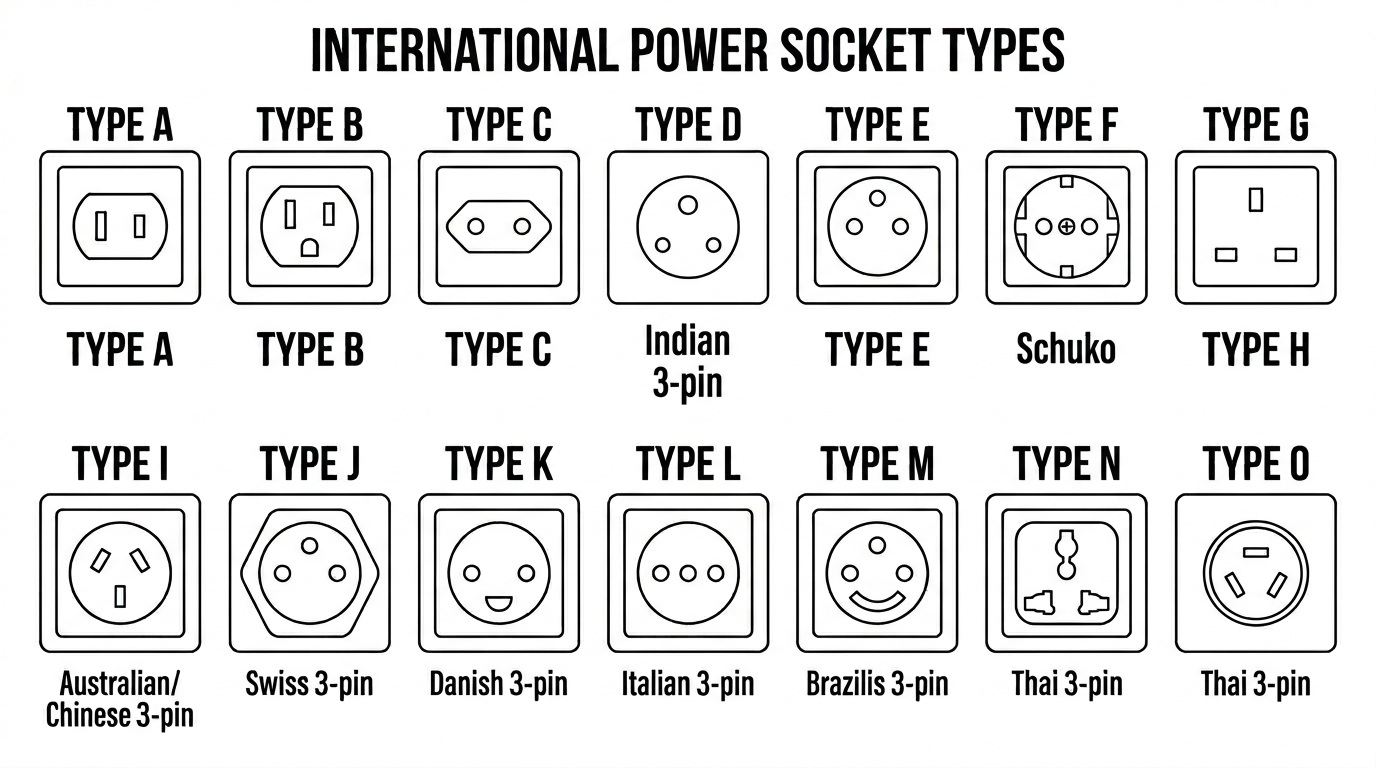
Power Plug
Type C and E
Types C and E, 220V, 50Hz
See the sockets
Tipping
Tipping is not deeply ingrained but is appreciated. In better restaurants and hotels, rounding up or leaving around 10% is welcome; small tips to guides, drivers, and porters are customary. Many service workers rely on tips, so modest gratuities go a long way.
SIM / Data
Local SIM cards from Orange Mali and Malitel (Moov) are inexpensive and the most reliable way to get data; buy from official shops and bring your passport for registration. Coverage is good in Bamako and major towns but weak or absent in rural and conflict-affected areas. Download offline maps before traveling outside the capital.
Visa
Most foreign visitors (including US, UK, EU, Canadian, and Australian citizens) require a visa to enter Mali. Visas are typically obtained in advance from a Malian embassy or consulate; an e-visa system has been used intermittently. A passport valid for at least six months and proof of yellow fever vaccination are required for entry. Given the security situation, check current entry rules and travel advisories before any trip.
Driving Side
Right
How do you get around Mali?
Public Transport
In Bamako, the main public transport is the green-and-yellow 'sotrama' minibuses and shared taxis, which are cheap but crowded and follow informal routes. Negotiate or confirm taxi fares before departing, as meters are not used. Motorcycles and 'Djakarta' motos are ubiquitous for short trips.
Ride-hailing
- Yango
- Heetch
Intercity
Intercity travel is by bus (companies such as Bani, Sonef, and Africa Tours run routes between Bamako and major towns) and shared bush taxis ('sotrama' for short hops, larger vehicles for long distances). A limited rail line historically linked Bamako toward Kayes and Senegal but service has been unreliable or suspended. Air travel is limited, and crucially, overland travel outside Bamako carries severe security risks (banditry, IEDs, kidnapping) and is advised against by most governments.
Culture and customs
Customs
- Greetings are essential and often lengthy: Malians ask after your health, family, and work before any business. Rushing straight to the point is considered rude.
- Use the right hand for eating, giving, and receiving; the left hand is considered unclean. Communal meals from a shared bowl are common, and you eat from the section directly in front of you.
- Mali is overwhelmingly Muslim (around 95%); dress and behavior should be modest, especially for women, and many people fast during Ramadan, when eating or drinking in public during daylight is frowned upon.
- Always ask permission before photographing people, especially women, elders, religious figures, and at markets or military/government sites where photography may be prohibited or dangerous.
- Respect for elders and social hierarchy is deeply ingrained; greet the oldest person first and accept hospitality (tea, food) graciously, as refusing can cause offense.
- The three-round ritual of sweet green tea ('attaya') is a cornerstone of socializing; if invited, staying for all three glasses signals respect and friendship.
Dress Code
Modest, conservative dress is expected almost everywhere. Men commonly wear long trousers; women should cover shoulders, chest, and knees, and a headscarf is useful for visiting mosques or rural and conservative areas. Lightweight, breathable fabrics suit the hot Sahelian climate, and brightly colored West African 'bazin' and boubou outfits are widely worn and admired.
Religious Etiquette
Mali is a predominantly Sunni Muslim country with deep Sufi traditions. Dress modestly and behave respectfully near mosques; non-Muslims are often not permitted to enter mosques, including the famous Great Mosque of Djenné. Do not walk in front of people praying, avoid scheduling visits or business during the five daily prayer times, and be considerate during Ramadan. Show respect for local Islamic customs and for the smaller Christian and traditional animist minorities; avoid sensitive religious or political discussion.
Common Phrases
- I ni ceHello / thank you (Bambara, general greeting)
- I ka kene wa?How are you? / Are you well? (Bambara)
- Toro si teNo problem / it's fine (Bambara)
- I ni ce kosɛbɛThank you very much (Bambara)
- BonjourHello / good day (French, the official language)
- MerciThank you (French)
Highlights
Sports & Recreation
Football (soccer)
Football is by far the most popular sport in Mali. The national team, nicknamed Les Aigles (the Eagles), is a source of immense national pride, and matches in the Africa Cup of Nations draw huge crowds to TVs, bars, and street viewings. Mali has produced internationally renowned players and youth teams that have excelled at the U-17 and U-20 World Cup levels. Basketball is the strong second sport, with Mali fielding competitive national teams (its women's team is among Africa's best), and traditional wrestling also has a following.
National Festivals
- September 22
Independence Day
Marks Mali's independence from France in 1960, celebrated with military parades, music, and national ceremonies, especially in Bamako.
- Varies (Islamic lunar calendar)
Eid al-Fitr (Seli / Tabaski-related feasts)
Eid al-Fitr marks the end of Ramadan with communal prayers, feasting, new clothes, and family gatherings; one of the most important holidays in this Muslim-majority nation.
- Varies (Islamic lunar calendar)
Eid al-Adha (Tabaski)
The 'festival of sacrifice' is the largest religious celebration in Mali, marked by the ritual slaughter of sheep, family feasts, and charity to the poor.
- January/February (varies, recent years disrupted)
Festival on the Niger (Festival sur le Niger), Ségou
A celebrated arts and music festival on the banks of the Niger River in Ségou, showcasing Malian and West African musicians, crafts, and dance; staging has been affected by the security situation in recent years.
Planning Mali?
Try a ready-made trip first.
Open the demo trip with no sign-up: Barcelona on your own, or Rome, Florence and Venice as a group. Then plan Mali your way.