
Philippines uses the Philippine Peso, type A, B, and C plugs and 911 for emergencies. The Philippines is generally safe for tourists, but petty crime like pickpocketing and bag snatching can occur, especially in crowded urban areas and tourist hotspots.
Emergency Numbers
How safe is Philippines?
- Very Safe
- Generally Safe
- Exercise Caution
- High Risk
- Dangerous
The Philippines is generally safe for tourists, but petty crime like pickpocketing and bag snatching can occur, especially in crowded urban areas and tourist hotspots. Be vigilant with your belongings and avoid displaying valuables. Exercise caution when traveling at night. Certain regions, particularly parts of Mindanao, have higher security risks due to ongoing conflicts and insurgencies.
Advisories (7)
Scams
- Taxi scams (meter tampering, overcharging, or taking longer routes). Always ensure the meter is used or negotiate a fare beforehand.
- Friendly stranger scams where individuals offer unsolicited help or invite you for drinks, often leading to overcharging or theft.
- ATM skimming and credit card fraud. Use ATMs in secure locations and be wary of suspicious devices.
- Overpriced tour packages or unsolicited guides at tourist sites.
Warnings
- Travel to parts of Mindanao (particularly the Sulu Archipelago, Marawi City, and areas in central and western Mindanao) is advised against due to terrorism, kidnapping threats, and armed conflict.
- The Philippines is prone to natural disasters including typhoons, earthquakes, and volcanic eruptions. Monitor local news and weather advisories, especially during the rainy season (June to November).
- Avoid large public gatherings and protests, as they can sometimes turn volatile.
Practical Info
Currency
Philippine Peso (PHP)
Power Plug
Type A, B, and C
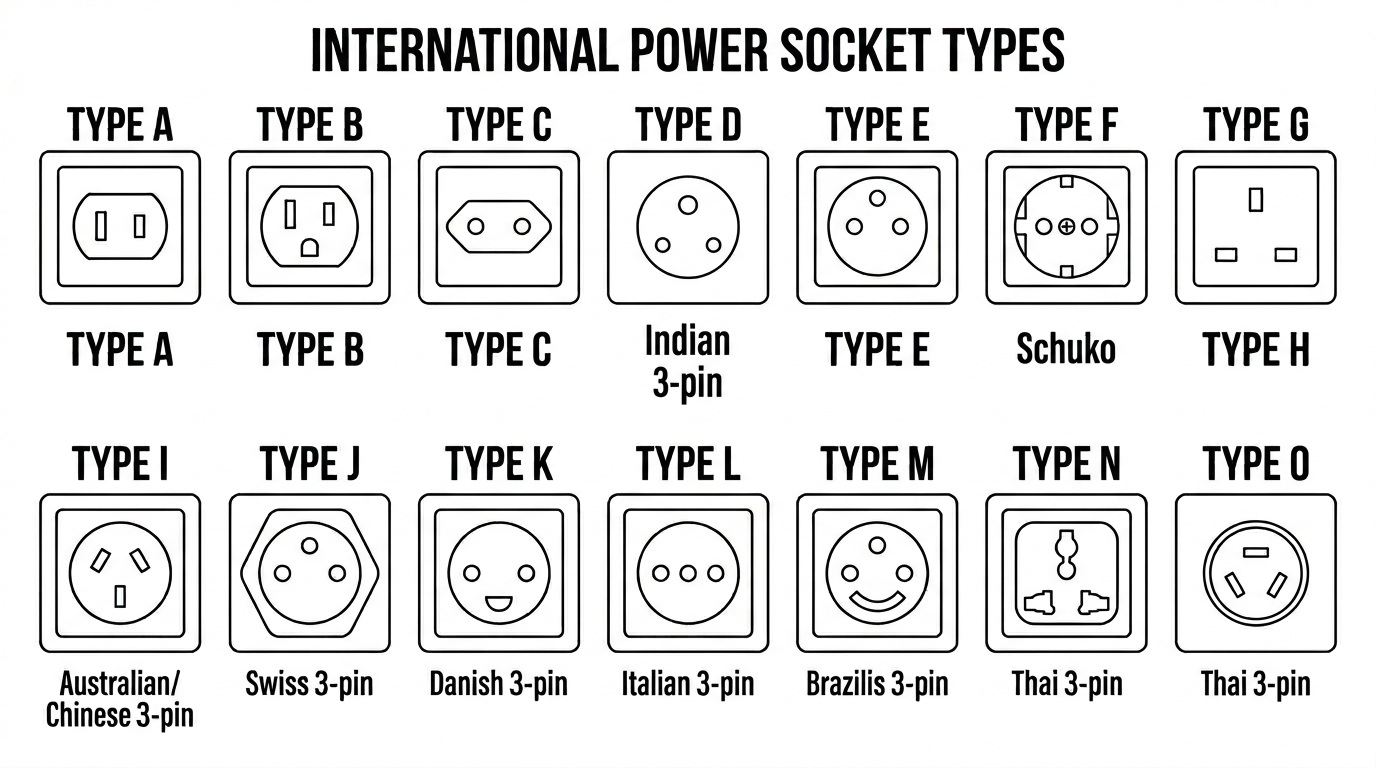
Type A (two flat parallel pins), Type B (two flat parallel pins and a round grounding pin), and Type C (two round pins) are common. Voltage is 220V at 60Hz.
See the sockets
Tipping
Tipping is not mandatory but widely appreciated for good service. Many restaurants include a 10% service charge; if not, a 10% tip is customary. For hotel staff, tour guides, and drivers, small tips are common. Rounding up taxi fares is also a common practice.
SIM / Data
Prepaid SIM cards are readily available at airports, convenience stores, and authorized dealer shops from major providers like Globe, Smart, and DITO. You will need a valid ID (passport) for registration, which is now mandatory.
Visa
Many nationalities can enter the Philippines visa-free for an initial stay of 30 days. Check the specific visa requirements for your nationality with the nearest Philippine embassy or consulate before your trip. Extensions are possible through the Bureau of Immigration.
Driving Side
Right-hand traffic
How do you get around Philippines?
Public Transport
In urban areas like Manila, public transport includes jeepneys (iconic, affordable, fixed-route buses), tricycles (motorcycle with sidecar for short distances), and buses. Manila also has an elevated train system (LRT and MRT). Provincial buses connect towns and cities across larger islands.
Ride-hailing
- Grabmost dominant for cars and motorcycles, also offers food delivery
Intercity
Domestic flights are the quickest way to travel between major islands, with airlines like Philippine Airlines, Cebu Pacific, and AirAsia. Ferries are a common and affordable option for inter-island travel, offering various routes and classes. Buses are used for inter-province travel on larger islands like Luzon.
Culture and customs
Customs
- Mano Po: A gesture of respect where a younger person takes the elder's hand and presses it to their forehead.
- Hospitality: Filipinos are known for their warm hospitality and generosity towards guests.
- Strong Family Ties: Family is central to Filipino culture, with extended families often living together or nearby.
- Pakikisama: A cultural value emphasizing group harmony and good relations, often leading to avoidance of direct confrontation.
- Punctuality: 'Filipino time' is a common term referring to a relaxed attitude towards punctuality, so expect some delays.
Dress Code
Generally casual and comfortable due to the tropical climate. Modest attire is appreciated when visiting religious sites (churches, mosques), where shoulders and knees should be covered. Swimwear is reserved for beaches and pools.
Religious Etiquette
The Philippines is predominantly Roman Catholic. When visiting churches, dress modestly, remove hats, and maintain a respectful silence, especially during services. Photography may be restricted in some areas.
Common Phrases
- Kumusta?Hello / How are you?
- Salamat poThank you (po adds respect)
- Magandang arawGood day
- PaalamGoodbye
- Po / OpoYes (with respect)
- PakiusapPlease
Highlights
Sports & Recreation
Basketball is by far the most popular sport, deeply ingrained in the national culture, with leagues, street courts, and passionate fans everywhere.
Basketball dominates the sports scene, with professional leagues (PBA) and countless amateur games. Cockfighting (sabong) is a traditional and legal pastime, though often controversial. Boxing also holds a special place, with national heroes like Manny Pacquiao. Water sports like diving, snorkeling, surfing, and island hopping are popular recreational activities, especially in coastal and island regions.
National Festivals
- Third Sunday of January (Cebu City)
Sinulog Festival
A grand and vibrant religious festival honoring the Santo Niño (Child Jesus), featuring massive street parades, elaborate costumes, and energetic 'Pit Señor!' chants. It's one of the largest and most popular festivals.
- Third week of January (Kalibo, Aklan)
Ati-Atihan Festival
Known as the 'Mother of all Philippine Festivals,' it's a centuries-old celebration honoring the Santo Niño. Participants paint their faces black and don indigenous costumes, dancing to rhythmic drumbeats in the streets.
- May 15 (Lucban, Quezon)
Pahiyas Festival
A colorful harvest festival where houses are elaborately decorated with 'kiping' (leaf-shaped rice wafers), fruits, vegetables, and other agricultural produce. It's a thanksgiving for a bountiful harvest.
- Fourth Sunday of January (Iloilo City)
Dinagyang Festival
Another major festival honoring the Santo Niño, known for its spectacular street dancing competitions (Ati-Ati tribes competition) with intricate choreography and vibrant costumes, showcasing Iloilo's rich culture.
Cities in Philippines
Planning Philippines?
Try a ready-made trip first.
Open the demo trip with no sign-up: Barcelona on your own, or Rome, Florence and Venice as a group. Then plan Philippines your way.