
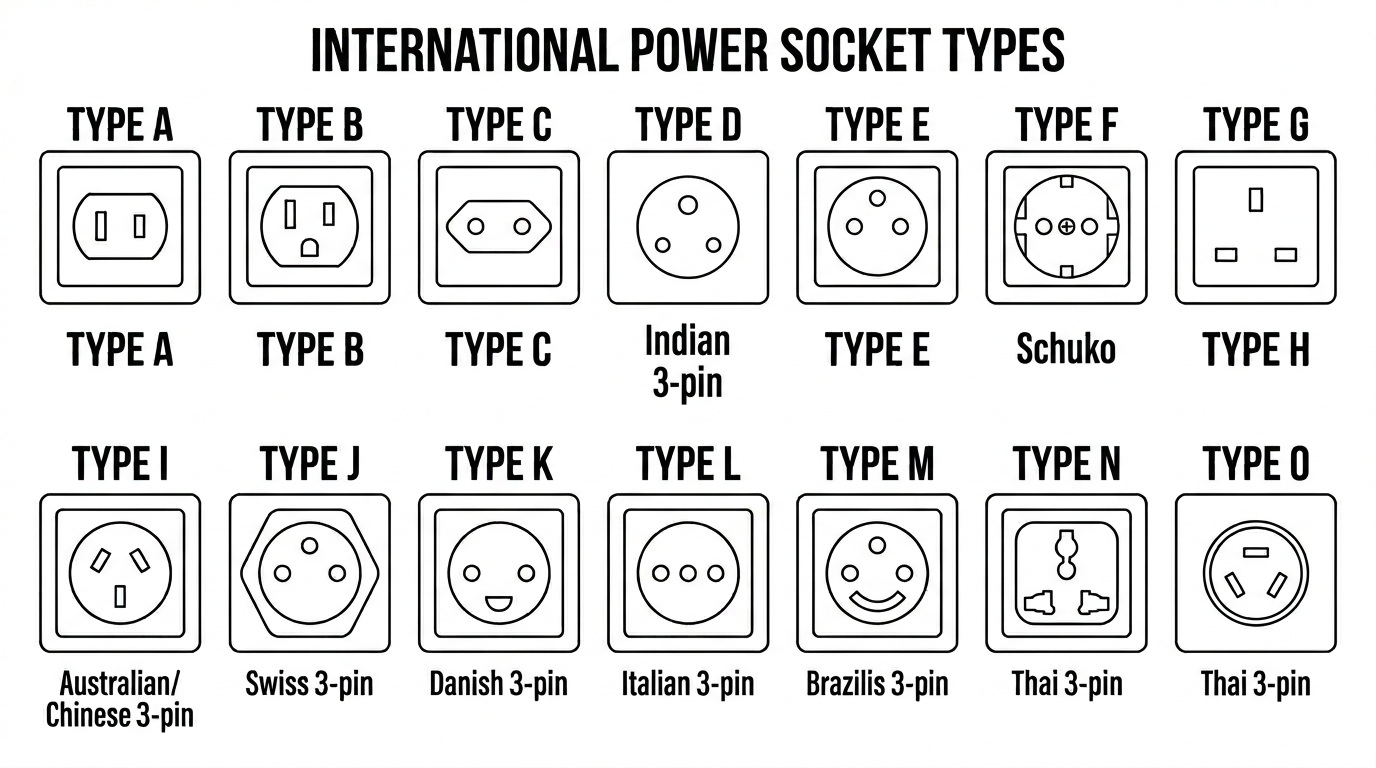
Portugal uses the Euro, type C and F plugs and 112 for emergencies. Portugal is generally a very safe country for tourists.
Emergency Numbers
How safe is Portugal?
- Very Safe
- Generally Safe
- Exercise Caution
- High Risk
- Dangerous
Portugal is generally a very safe country for tourists. Major cities like Lisbon and Porto are safe, but like any popular tourist destination, petty crime such as pickpocketing can occur, especially in crowded areas, on public transport, and around major attractions. Be aware of your belongings.
Advisories (7)
Scams
- Pickpocketing in crowded tourist areas (e.g., trams, markets, historical centers).
- Taxi overcharging: Ensure the meter is used or agree on a price beforehand.
- Restaurant scams: Being charged for unsolicited appetizers (couvert) or inflated prices for tourist menus. You can always refuse the couvert.
- Street vendors: Be cautious of unlicensed street vendors selling counterfeit goods or pressuring you into purchases.
Warnings
- Exercise normal safety precautions.
- Be vigilant against petty crime, particularly in Lisbon, Porto, and other major tourist spots.
- Stay aware of your surroundings, especially at night.
Practical Info
Currency
Euro (EUR)
Power Plug
Type C and F
Type C and F
See the sockets
Tipping
Tipping is not mandatory but appreciated for good service. For restaurants, rounding up the bill or leaving 5-10% is common. For taxis, rounding up to the nearest Euro. For hotel staff, a few Euros for good service is customary.
SIM / Data
Local SIM cards are readily available from providers like MEO, Vodafone, and NOS at airports, official stores, or kiosks. Prepaid options with data bundles are affordable and convenient. Ensure your phone is unlocked.
Visa
Portugal is part of the Schengen Area. Citizens of many countries (e.g., USA, Canada, Australia, UK) can enter visa-free for up to 90 days within any 180-day period for tourism. Check specific requirements based on your nationality with the Portuguese embassy or consulate before travel.
Driving Side
Right-hand side
How do you get around Portugal?
Public Transport
Major cities like Lisbon and Porto have excellent public transport systems including metro, buses, trams (especially historic trams in Lisbon), and funiculars. Tickets can be purchased at stations or kiosks; consider a rechargeable travel card (e.g., Viva Viagem in Lisbon, Andante in Porto) for cost savings. Smaller towns and rural areas rely more on buses.
Ride-hailing
- Uber
- Bolt
- Free Now
Intercity
Portugal has an efficient train network (CP - Comboios de Portugal) connecting major cities like Lisbon, Porto, and Faro, offering comfortable and relatively fast travel. Buses (e.g., Rede Expressos, FlixBus) are another popular and often more extensive option for reaching smaller towns or for more budget-friendly travel. Domestic flights are available for longer distances, particularly between the mainland and the islands (Madeira, Azores).
Culture and customs
Customs
- Greetings: A handshake is common. Close friends and family often greet with two kisses on the cheek (one on each side).
- Punctuality: While generally relaxed, try to be on time for appointments. For social gatherings, arriving a little late is often acceptable.
- Dining: It's polite to keep hands visible on the table (not in your lap). Wait to be seated in restaurants. Do not start eating until everyone is served.
- Respect: Show respect for elders and public officials.
- Politeness: Use 'olá' (hello), 'obrigado/obrigada' (thank you - male/female speaker), 'por favor' (please), and 'com licença' (excuse me).
Dress Code
Casual dress is generally acceptable, but smart-casual is preferred for evenings out or fine dining. When visiting churches or religious sites, dress modestly, covering shoulders and knees.
Religious Etiquette
Portugal is predominantly Roman Catholic. When visiting churches or cathedrals, speak quietly, remove hats, and dress respectfully. Photography may be restricted in some areas.
Common Phrases
- OláHello
- Bom diaGood morning
- Boa tardeGood afternoon
- Boa noiteGood evening/Good night
- Por favorPlease
- Obrigado/ObrigadaThank you (male/female speaker)
- Com licençaExcuse me
- DesculpeSorry
- Falo inglêsI speak English
- Não falo portuguêsI don't speak Portuguese
Highlights
Sports & Recreation
Football (soccer)
Football is by far the most popular sport in Portugal, with a passionate following for clubs like Benfica, Sporting CP, and FC Porto. The national team is a source of immense pride. Beyond football, surfing, golf, cycling, and hiking are popular recreational activities, especially along the extensive coastline and in national parks.
National Festivals
- February/March (47 days before Easter Sunday)
Carnaval
Celebrated with parades, costumes, and lively street parties across the country, particularly vibrant in places like Loulé (Algarve) and Torres Vedras (near Lisbon).
- April 25
Dia da Liberdade (Freedom Day)
Commemorates the Carnation Revolution of 1974, which overthrew the Estado Novo regime. Public holiday with celebrations and historical reflections.
- June 10
Dia de Portugal, de Camões e das Comunidades Portuguesas (Portugal Day)
National holiday celebrating Portuguese identity, the death of national literary icon Luís de Camões, and Portuguese communities worldwide. Marked by official ceremonies and cultural events.
- June (especially June 12-13 for Santo António in Lisbon, June 23-24 for São João in Porto)
Festas dos Santos Populares (Popular Saints' Festivals)
Lively street festivals celebrating popular saints with grilled sardines, traditional music (Fado, Pimba), dancing, colorful decorations, and parades. These are major events in Lisbon and Porto.
- August 15
Assunção de Nossa Senhora (Assumption of Mary)
A religious public holiday celebrated with masses and local festivities.
- October 5
Implantação da República (Republic Day)
Commemorates the establishment of the Portuguese Republic in 1910, ending the monarchy. A public holiday.
Cities in Portugal
Planning Portugal?
Try a ready-made trip first.
Open the demo trip with no sign-up: Barcelona on your own, or Rome, Florence and Venice as a group. Then plan Portugal your way.