
Sri Lanka uses the Sri Lankan Rupee, type D and G plugs and 112 for emergencies. Sri Lanka is generally safe for tourists, but it's advisable to exercise moderate caution.
Emergency Numbers
How safe is Sri Lanka?
- Very Safe
- Generally Safe
- Exercise Caution
- High Risk
- Dangerous
Sri Lanka is generally safe for tourists, but it's advisable to exercise moderate caution. Petty crime like pickpocketing can occur in crowded areas. Be aware of your surroundings, especially at night.
Advisories (7)
Scams
- Tuk-tuk drivers overcharging or taking longer routes. Always agree on a price beforehand or use ride-hailing apps.
- Gem scams where tourists are pressured to buy fake or overpriced gems.
- Unsolicited 'guides' at tourist sites who may demand payment.
- The 'milk powder' scam, where individuals ask tourists to buy expensive baby formula for their 'children'.
Warnings
- Seasonal monsoons (May-September for southwest, October-January for northeast) can cause flooding and landslides. Check weather forecasts.
- Wildlife encounters, particularly with elephants in national parks, require strict adherence to park rules and guides' instructions.
- Avoid large public gatherings or political demonstrations, as they can sometimes become unpredictable.
Practical Info
Currency
Sri Lankan Rupee (LKR)
Power Plug
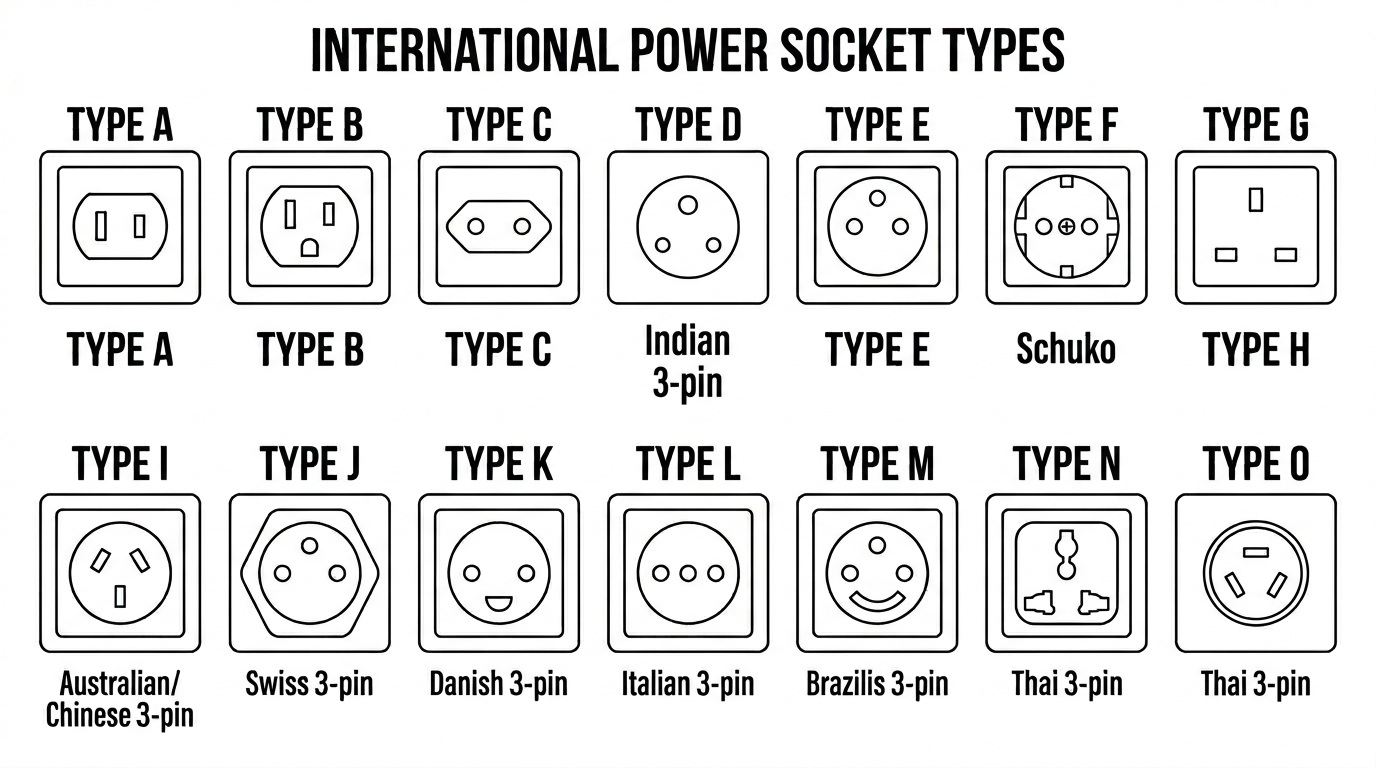
Type D and G
Type D (three round pins) and Type G (three rectangular pins). An adapter is recommended.
See the sockets
Tipping
Tipping is appreciated but not mandatory. A 10% service charge is often added to restaurant bills; if not, 5-10% is customary. For tuk-tuk drivers, rounding up the fare is common. For hotel staff or guides, a small gratuity is welcome.
SIM / Data
Local SIM cards are readily available at the airport upon arrival (e.g., Dialog, Mobitel, Airtel) and offer excellent coverage and affordable data packages. Ensure your phone is unlocked.
Visa
Most foreign nationals require an Electronic Travel Authorization (ETA) which must be obtained online prior to arrival. Verify the specific requirements for your nationality before travel.
Driving Side
Left
How do you get around Sri Lanka?
Public Transport
Sri Lanka has an extensive public bus network, offering a very affordable way to travel between cities and towns. The train system provides scenic journeys, particularly through the hill country (e.g., Kandy to Ella). Tuk-tuks are ubiquitous for short distances within towns and cities.
Ride-hailing
- PickMe
- Uber
Intercity
For intercity travel, trains are a popular and picturesque option. Air-conditioned intercity buses are also efficient. For more comfort and flexibility, private cars with drivers can be hired, especially for longer tours.
Culture and customs
Customs
- Greetings are often accompanied by a 'Ayubowan' (May you live long) with palms pressed together in front of the chest.
- Always remove your shoes and hats before entering temples or private homes.
- Use your right hand for eating and for giving or receiving items, as the left hand is traditionally considered unclean.
- Avoid pointing with your feet, as it is considered disrespectful.
Dress Code
Modest dress is advisable, especially when visiting religious sites or rural areas. Shoulders and knees should be covered when entering temples. Lightweight, breathable fabrics are recommended due to the tropical climate.
Religious Etiquette
Be respectful in all religious places. Do not pose for photos with your back to a Buddha statue, and avoid touching or pointing at monks. Refrain from public displays of affection in or around religious sites.
Common Phrases
- AyubowanHello/Goodbye/May you live long
- IstutiThank you
- Kohomada?How are you?
- KarunakaralaPlease
- SamawennaExcuse me/Sorry
Highlights
Sports & Recreation
Cricket
Cricket is the most popular sport and a national obsession in Sri Lanka. Matches are passionately followed, and the national team enjoys immense support. Beach sports, hiking, and water activities are also popular recreational pursuits.
National Festivals
- Mid-April (typically April 13th-14th)
Sinhala and Tamil New Year (Aluth Avurudda)
This is the most important cultural festival, celebrated by both Sinhala Buddhists and Tamil Hindus. It marks the end of the harvest season and the beginning of the new year. Celebrations include traditional rituals, special foods, family gatherings, and traditional games.
- May (full moon day)
Vesak Poya
Commemorates the birth, enlightenment, and passing of Lord Buddha. The entire country is adorned with colorful lanterns, pandals (illuminated structures depicting Jataka stories), and free food stalls (Dansalas). It's a time of great religious devotion.
- July/August (dates vary based on lunar calendar)
Esala Perahera (Kandy)
One of Asia's oldest and most spectacular Buddhist festivals, held in Kandy. It features a grand procession of dancers, drummers, fire-eaters, and lavishly decorated elephants, honoring the Sacred Tooth Relic of Lord Buddha. It lasts for ten nights.
- January (full moon day)
Duruthu Perahera (Colombo)
Commemorates Lord Buddha's first visit to Sri Lanka. Held at the Kelaniya Raja Maha Vihara temple near Colombo, it features a vibrant procession similar to the Kandy Perahera, though on a smaller scale.
Cities in Sri Lanka
Planning Sri Lanka?
Try a ready-made trip first.
Open the demo trip with no sign-up: Barcelona on your own, or Rome, Florence and Venice as a group. Then plan Sri Lanka your way.