
Colombia uses the Colombian Peso, type A and B plugs and 123 for emergencies. Colombia has significantly improved its safety in recent years, especially in major tourist destinations.
Emergency Numbers
How safe is Colombia?
- Very Safe
- Generally Safe
- Exercise Caution
- High Risk
- Dangerous
Colombia has significantly improved its safety in recent years, especially in major tourist destinations. However, petty crime like pickpocketing and bag snatching is common in crowded areas and on public transport. Always be aware of your surroundings, especially at night, and avoid displaying valuables.
Advisories (8)
Scams
- Express kidnappings (Paseo Millonario) can occur, often involving unregulated taxis. Use ride-hailing apps or reputable taxi services.
- Fake police officers asking for identification or money. Always ask for official credentials and if suspicious, offer to go to the nearest police station.
- Distraction scams, where one person distracts you while another attempts to steal your belongings.
- Drinks or food offered by strangers that may be drugged.
Warnings
- Exercise increased caution in rural and border areas due to the presence of illegal armed groups and criminal organizations, particularly along the borders with Venezuela and Ecuador.
- Avoid walking alone at night, especially in less-trafficked neighborhoods.
- Do not resist if you are a victim of a robbery; your safety is paramount.
- Be cautious when withdrawing money from ATMs; use ATMs inside banks or shopping centers during business hours.
Practical Info
Currency
Colombian Peso (COP)
Power Plug
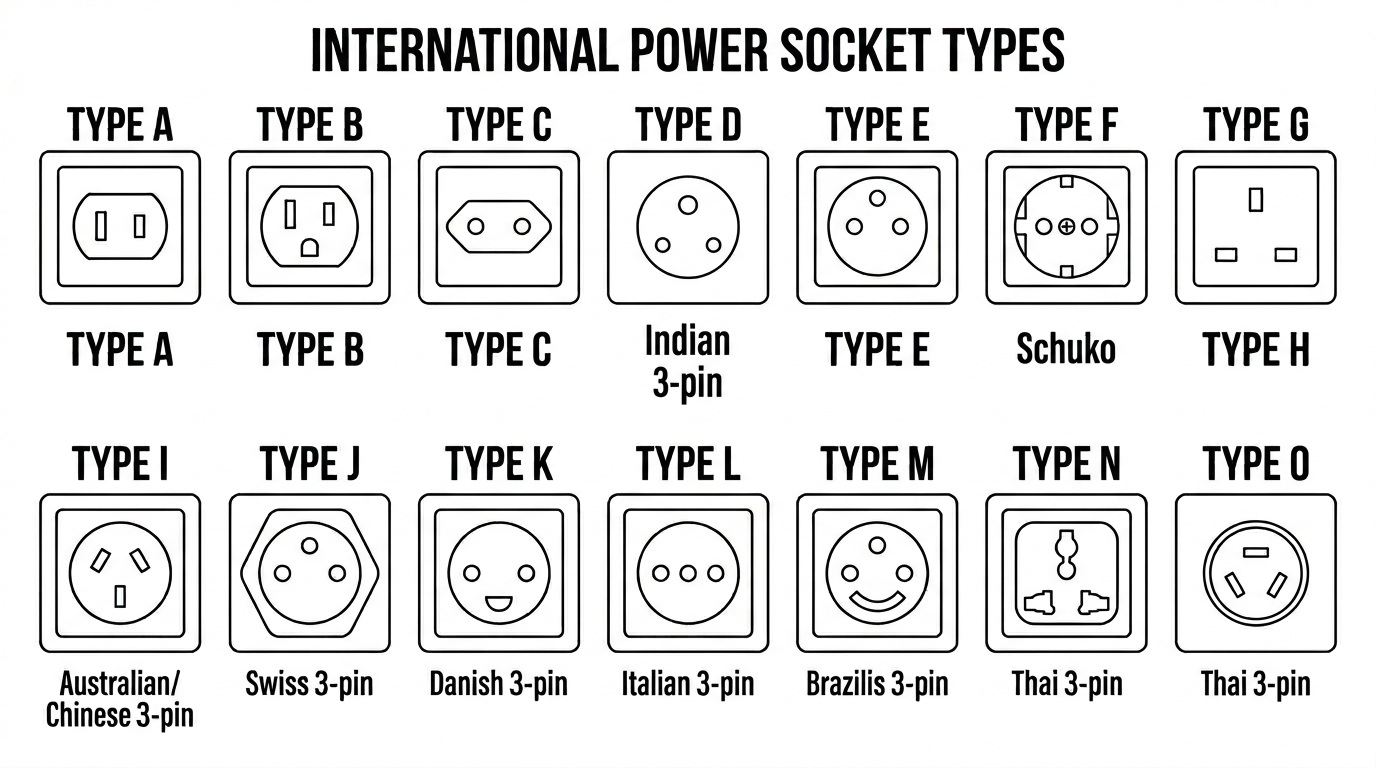
Type A and B
Type A and Type B (two flat parallel pins or two flat parallel pins with a round grounding pin). Voltage is 110-120V at 60Hz.
See the sockets
Tipping
Tipping is appreciated but not strictly mandatory. In restaurants, a 10% service charge ('propina voluntaria') is often added to the bill; you can ask for it to be removed but it's customary to pay for good service. For taxi drivers, it's common to round up the fare. For hotel staff, a small tip (2,000-5,000 COP) is appropriate.
SIM / Data
Claro, Tigo, and Movistar are the main mobile providers. SIM cards can be purchased at official stores in airports or major cities, requiring your passport for registration. Data packages are generally affordable and offer good coverage in urban areas.
Visa
Many nationalities, including citizens from the US, Canada, EU, UK, and Australia, can enter Colombia visa-free for up to 90 days, extendable to 180 days within a calendar year. Always check the latest visa requirements based on your specific nationality before traveling.
Driving Side
Right
How do you get around Colombia?
Public Transport
Major cities like Bogotá have extensive bus networks and Bus Rapid Transit (BRT) systems (e.g., TransMilenio in Bogotá, Metroplús in Medellín). Medellín boasts a modern, integrated public transport system including a metro, metrocable, and tram, known for its efficiency. Buses are the primary mode of intercity travel, with various classes of service.
Ride-hailing
- Uber
- Didi
- Cabify
Intercity
Long-distance buses are a common and affordable way to travel between cities, with numerous companies operating comfortable coaches. For faster travel, domestic flights are widely available and connect major cities efficiently, with airlines such as Avianca, LATAM, Viva Air, and Wingo.
Culture and customs
Customs
- Greetings: Colombians are generally warm. A handshake is common for men, while women often greet with a kiss on the cheek (even with strangers).
- Punctuality: Punctuality is generally more relaxed in social settings, but try to be on time for business appointments.
- Personal Space: Personal space is often closer than in some Western cultures.
- Formal vs. Informal: Use 'usted' (formal 'you') when addressing elders, people in positions of authority, or those you don't know well. 'Tú' (informal 'you') is for friends and family.
- Hospitality: Colombians are very hospitable; accepting an invitation to someone's home is a great honor.
Dress Code
Casual attire is generally acceptable for daily activities. For evenings out in cities, people tend to dress more smartly. When visiting churches or formal establishments, modest dress (shoulders and knees covered) is appreciated. In warmer regions, light, breathable clothing is common.
Religious Etiquette
Colombia is predominantly Roman Catholic. When visiting churches or religious sites, dress respectfully, speak quietly, and be mindful of ongoing services. It's customary to remove hats inside churches.
Common Phrases
- HolaHello
- GraciasThank you
- Por favorPlease
- ¿Cuánto cuesta?How much does it cost?
- Disculpe / Con permisoExcuse me / Pardon me (to get attention or pass through)
- Buenos díasGood morning
- Buenas tardesGood afternoon
- Buenas nochesGood evening / Good night
- De nadaYou're welcome
- Una cerveza, por favorA beer, please
Highlights
Sports & Recreation
Football (soccer) is the most popular sport in Colombia, with a passionate following for national and club teams.
Football dominates the sports scene, with major cities having their own professional teams. Cycling is also incredibly popular, both as a recreational activity and a professional sport, producing many world-class riders. Tejo, a traditional Colombian sport involving throwing metal discs at a target with gunpowder, is a unique cultural experience.
National Festivals
- February or March (before Ash Wednesday)
Barranquilla Carnival (Carnaval de Barranquilla)
One of the largest carnivals in the world and a UNESCO Masterpiece of Oral and Intangible Heritage of Humanity. It's a vibrant celebration of music, dance, and folklore, featuring grand parades, colorful costumes, and street parties.
- Early August
Flower Festival (Feria de las Flores)
Held in Medellín, this festival celebrates the region's flower industry. Its highlight is the 'Desfile de Silleteros,' where farmers carry elaborate flower arrangements ('silletas') on their backs, showcasing incredible artistry.
- December 25-30
Cali Fair (Feria de Cali)
Known as the 'Salsa Capital of the World,' Cali hosts this electrifying festival featuring daily salsa concerts, dance performances, and parades. It's a must-visit for salsa lovers.
- March or April (variable)
Holy Week (Semana Santa)
Observed nationwide with solemn religious processions and ceremonies, particularly renowned in Popayán (a UNESCO City of Gastronomy) and Mompox for their historical significance and elaborate rituals.
Cities in Colombia
Planning Colombia?
Try a ready-made trip first.
Open the demo trip with no sign-up: Barcelona on your own, or Rome, Florence and Venice as a group. Then plan Colombia your way.