
Côte d'Ivoire Travel Guide. Essential travel information — emergency numbers, safety, currency, visas, customs and getting around.
Emergency Numbers
How safe is Côte d'Ivoire?
- Very Safe
- Generally Safe
- Exercise Caution
- High Risk
- Dangerous
Côte d'Ivoire is largely stable and welcoming for visitors, with Abidjan, Yamoussoukro, Grand-Bassam and the central regions generally calm. However, most Western governments advise increased caution overall and warn strongly against travel to the northern border zones with Mali and Burkina Faso, where jihadist groups operating in the Sahel have carried out attacks. Petty crime, occasional armed robbery and road-safety hazards are the most common day-to-day risks. Exercise normal-to-heightened vigilance in cities at night and avoid the far north.
Advisories (8)
Scams
- Taxi overcharging is routine — meters are rarely used, so agree the fare before getting in; airport and hotel taxis quote inflated prices to arriving tourists.
- Fake police or 'gendarme' checkpoints, and real officers soliciting small bribes ('un petit cadeau') at roadblocks — keep a photocopy of your passport and stay calm and polite.
- Online romance and advance-fee (419-style) scams originate from the region; be wary of unsolicited business or romantic propositions asking for money transfers.
- Street money-changers and 'helpful' strangers at markets in Adjamé and Treichville may shortchange you or use sleight-of-hand; change money at banks or licensed bureaux.
Warnings
- Do not travel to the northern border regions with Mali and Burkina Faso (including areas of the Savanes, Zanzan, and parts of Bounkani/Comoé) due to the risk of terrorism, kidnapping and cross-border armed group activity.
- Avoid political demonstrations and large gatherings, which can turn violent with little warning, especially around election periods (a presidential election is due in 2025).
- Road travel after dark, particularly intercity, is dangerous due to poor lighting, livestock, reckless driving and the risk of robbery; travel during daylight.
- Swimming along the Atlantic coast is hazardous because of powerful rip currents and undertow; many beaches have no lifeguards.
Practical Info
Currency
West African CFA franc (XOF)
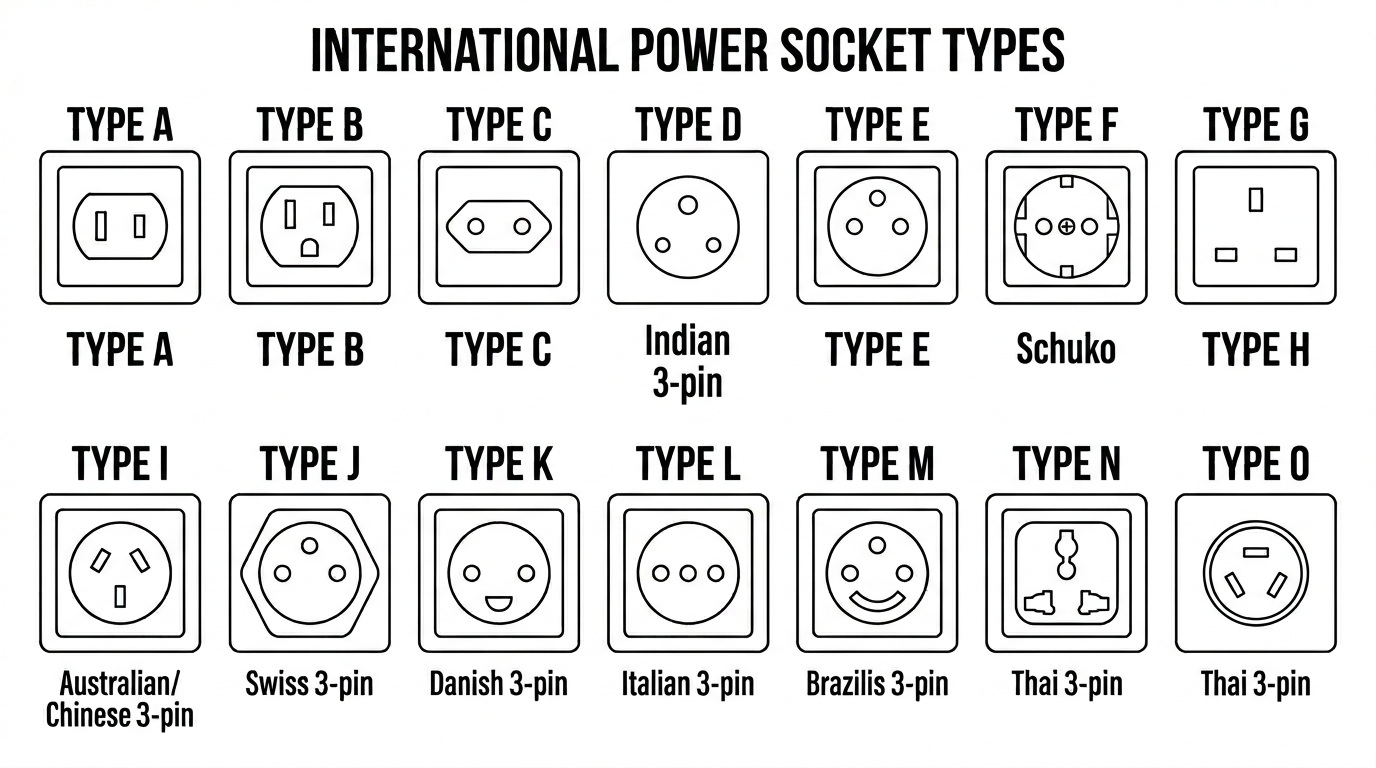
Power Plug
Type C and E
Types C and E, 230V, 50Hz
See the sockets
Tipping
Tipping is not obligatory but appreciated. In restaurants, rounding up or leaving about 5–10% for good service is common; upscale venues may add a service charge. Small tips for hotel porters, guides and drivers are customary and welcomed.
SIM / Data
Local prepaid SIM cards from Orange, MTN and Moov offer cheap, reliable 4G in cities and along main routes; buy one at the airport or an official shop and bring your passport for registration. Coverage thins in rural and northern areas. Mobile money (Orange Money, MTN MoMo, Moov Money) is widely used for everyday payments.
Visa
Most non-ECOWAS visitors require a visa. Many nationalities (including the US, UK, EU and others) can obtain an e-visa online before travel, which must be finalized on arrival at Abidjan's Félix-Houphouët-Boigny International Airport. A passport valid for at least six months and proof of onward travel are required. Proof of yellow fever vaccination is mandatory for entry. ECOWAS citizens generally do not need a visa. Always confirm current requirements with an official Ivorian source before booking.
Driving Side
Right
How do you get around Côte d'Ivoire?
Public Transport
Within Abidjan, transport relies on metered-in-name-only orange taxis, shared woro-woro taxis (fixed routes within a commune), gbaka minibuses and SOTRA city buses and lagoon ferries (bateaux-bus) that cross the lagoon between Plateau, Treichville and Yopougon. A modern metro line for Abidjan has long been under construction. Negotiate taxi fares in advance.
Ride-hailing
- Yango
- Uber
- Heetch
Intercity
Intercity travel is mainly by road. Comfortable, reputable coach companies such as UTB and others run air-conditioned buses between Abidjan, Yamoussoukro, Bouaké, Korhogo and other towns on the improving highway network. Shared bush taxis and minibuses (gbaka) are cheaper but crowded and less safe. There is a limited rail line linking Abidjan toward Bouaké and onward to Burkina Faso, though service is slow and irregular. Domestic flights are limited.
Culture and customs
Customs
- Greetings are essential and unhurried — always say bonjour and shake hands before any conversation or transaction; skipping the greeting is seen as rude.
- Use your right hand for eating, giving and receiving money or objects; the left hand is considered unclean.
- Hospitality is a point of pride — if invited to a home you may be offered food or drink, and accepting even a little is polite; bringing a small gift is appreciated.
- Dress relatively modestly and neatly; Ivorians take personal appearance seriously and travelers who dress sloppily are judged accordingly, especially in churches, mosques and government offices.
- Ask permission before photographing people, and never photograph military, police, government buildings, airports or the presidential palace — this can lead to detention.
- Bargaining is expected in markets and with taxis but should stay good-humored; aggressive haggling over small amounts is frowned upon, and tipping a little for good service is welcome.
Dress Code
Lightweight, modest clothing suits the hot tropical climate. In Abidjan, fashion is taken seriously and people dress smartly. Cover shoulders and knees when visiting religious sites; women should carry a scarf for mosques and conservative northern areas. Beachwear belongs only at the beach or hotel pools.
Religious Etiquette
Côte d'Ivoire is religiously diverse — roughly split between Muslims (concentrated in the north) and Christians (more numerous in the south), alongside traditional Indigenous beliefs. Both faiths coexist peacefully and visitors are welcome at the Basilica of Our Lady of Peace in Yamoussoukro (one of the world's largest churches) and at major mosques. Dress modestly at all religious sites, remove shoes before entering mosques, and avoid visiting during prayer times unless invited. Respect Ramadan fasting hours in Muslim areas.
Common Phrases
- BonjourGood morning / Hello
- Comment allez-vous ?How are you?
- Merci (beaucoup)Thank you (very much)
- S'il vous plaîtPlease
- Combien ça coûte ?How much does it cost?
- Au revoirGoodbye
Highlights
Sports & Recreation
Football (soccer)
Football is a national passion. The men's national team, Les Éléphants, are among Africa's most successful sides — Africa Cup of Nations winners in 1992, 2015 and most recently as hosts in 2024 — and the country has produced global stars like Didier Drogba and Yaya Touré. Match days fill bars and streets across Abidjan with fervent support. Beyond football, the country enjoys athletics, taekwondo (an Olympic medal source) and a strong beach and lagoon recreation culture along the coast.
National Festivals
- August 7
Independence Day (Fête Nationale)
Celebrates Côte d'Ivoire's independence from France in 1960, marked by military parades, official ceremonies and festivities, particularly in the political capital Yamoussoukro and in Abidjan.
- Late October / early November (week of November 15 in some years)
Fêtes des Masques (Festival of Masks), Man region
In the western Dan country around Man, villages hold masked dances and competitions where sacred masks embody spirits — among the most spectacular displays of traditional Ivorian culture.
- Mid-March
Fête du Dipri, Gomon
A dramatic nocturnal purification rite in the Abidji village of Gomon, southwest of Abidjan, featuring trance, ritual and ceremonies believed to cleanse the community of evil.
- Variable (Islamic calendar)
Tabaski (Eid al-Adha)
The major Muslim feast of sacrifice, widely observed especially in the north, with communal prayers, the slaughter of a ram and family gatherings; a public holiday nationwide.
Cities in Côte d'Ivoire
Planning Côte d'Ivoire?
Try a ready-made trip first.
Open the demo trip with no sign-up: Barcelona on your own, or Rome, Florence and Venice as a group. Then plan Côte d'Ivoire your way.